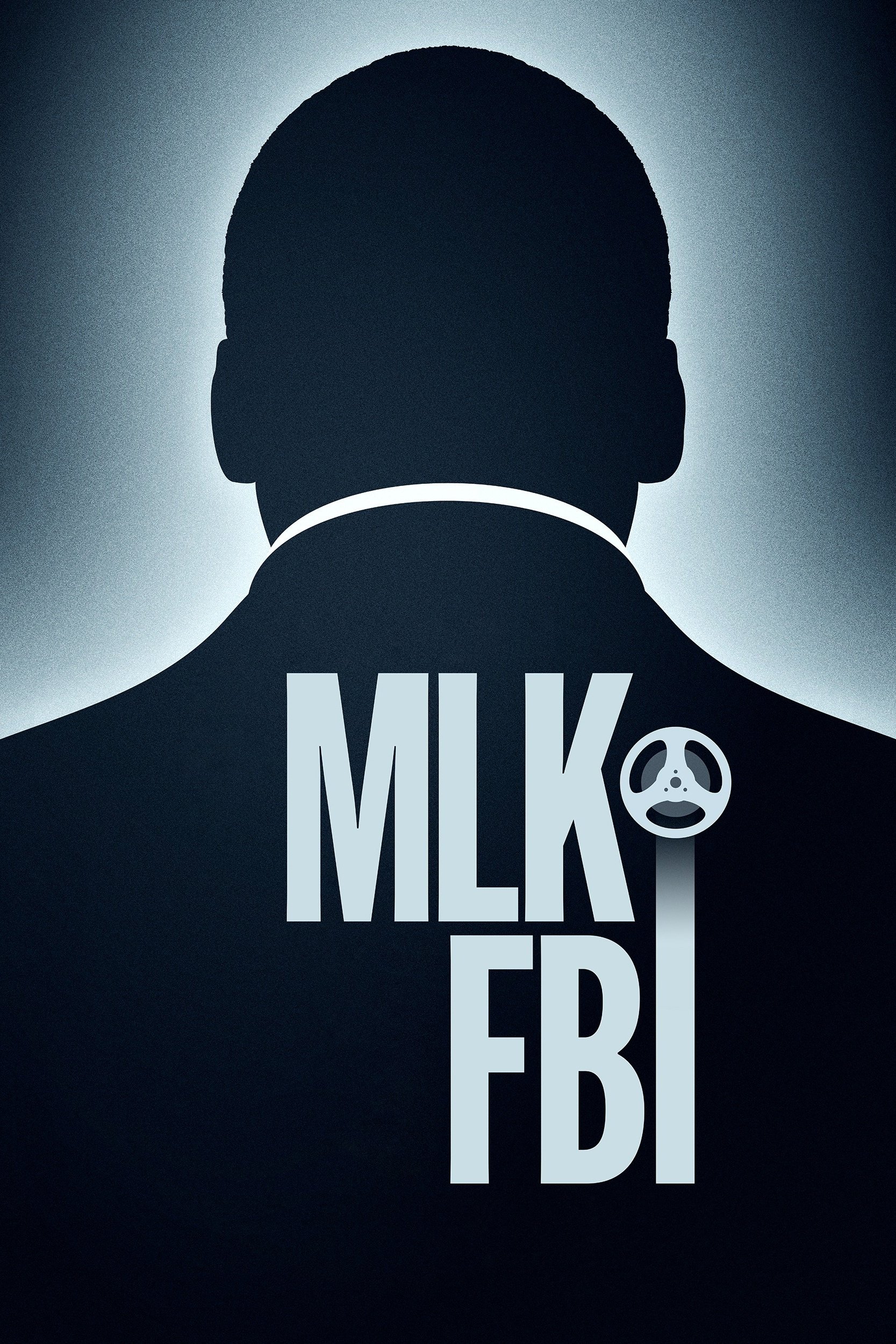
Story Structure — 4 Plot Phases
Rise of a Movement
Chronological archival footage introduces MLK's early civil rights activism and the FBI's initial surveillance directives.
Key Events
-
MLK Early Activism — Chronological footage shows MLK's rise as a civil rights leader.
Location: Various US Cities
-
FBI Surveillance Initiation — Hoover directs the FBI to begin investigating MLK.
Location: FBI Headquarters
-
Harassment Campaign Launch — The FBI escalates efforts to harass and monitor MLK.
Location: FBI Offices
-
Private Life Exploitation — Agents collect intimate recordings and images to blackmail MLK.
Location: FBI Archives
Covert Warfare & Contrast
Hoover escalates harassment campaigns using private recordings, while the documentary highlights the stark demographic divide between the FBI and Black supporters.
Key Events
-
Private Life Exploitation — Agents collect intimate recordings and images to blackmail MLK.
Location: FBI Archives
-
Movement Momentum Grows — MLK addresses large crowds as the civil rights movement gains strength.
Location: Public Rallies
-
Demographic Contrast Highlight — Visual contrast emphasizes the all-white FBI versus predominantly Black supporters.
Location: Historical Archives
-
Denigration Strategy Formulated — Hoover devises plans to denigrate MLK's status within the movement.
Location: FBI Command Center
-
1963 Peak Activism — Chronological footage captures MLK's major speeches and campaigns.
Location: Washington D.C.
-
Historian Analysis Begins — Scholars provide voiceover commentary on the historical conflict.
Location: Interview Studio
Scholarly Reflections
Historians and allies provide voiceover analysis, contextualizing the FBI's denigration strategies against the growing momentum of the civil rights movement.
Key Events
-
Historian Analysis Begins — Scholars provide voiceover commentary on the historical conflict.
Location: Interview Studio
-
Ally Reflections — Civil rights associates share personal insights into MLK's struggle.
Location: Interview Studio
-
Official Perspective — Former FBI director discusses the agency's historical records.
Location: Interview Studio
-
Blackmail Threat Escalates — The campaign to use private scandals against MLK intensifies.
Location: FBI Archives
-
Movement Resilience — Despite harassment, MLK continues to mobilize supporters.
Location: Protest Sites
-
1968 Assassination Context — Archival footage approaches the year of MLK's assassination.
Location: Memphis
Legacy & Transparency
The narrative approaches 1968, clarifies assassination details, and concludes with statements on document declassification and the 2027 public release.
Key Events
-
1968 Assassination Context — Archival footage approaches the year of MLK's assassination.
Location: Memphis
-
No New Assassination Details — The film clarifies it reveals no new information about the assassination.
Location: Documentary Frame
-
Voiceover Compilation — Interview segments are woven together as narrative voiceover.
Location: Audio Mix
-
On-Camera Appearances — Interviewees briefly appear on camera toward the film's conclusion.
Location: Documentary Set
-
Declassification Status — The film states that not all FBI documents have been declassified.
Location: National Archives
-
2027 Release Promise — Officials confirm the complete record will be declassified by 2027.
Location: Government Statement
-
Chronological Structure — The documentary maintains a strictly chronological narrative from 1955 to 1968.
Location: Editing Suite
-
Historical Legacy Preservation — The film contrasts MLK's enduring legacy with the FBI's covert operations.
Location: Historical Record
-
Public Transparency Theme — The documentary emphasizes the importance of making historical records accessible.
Location: Government Transparency