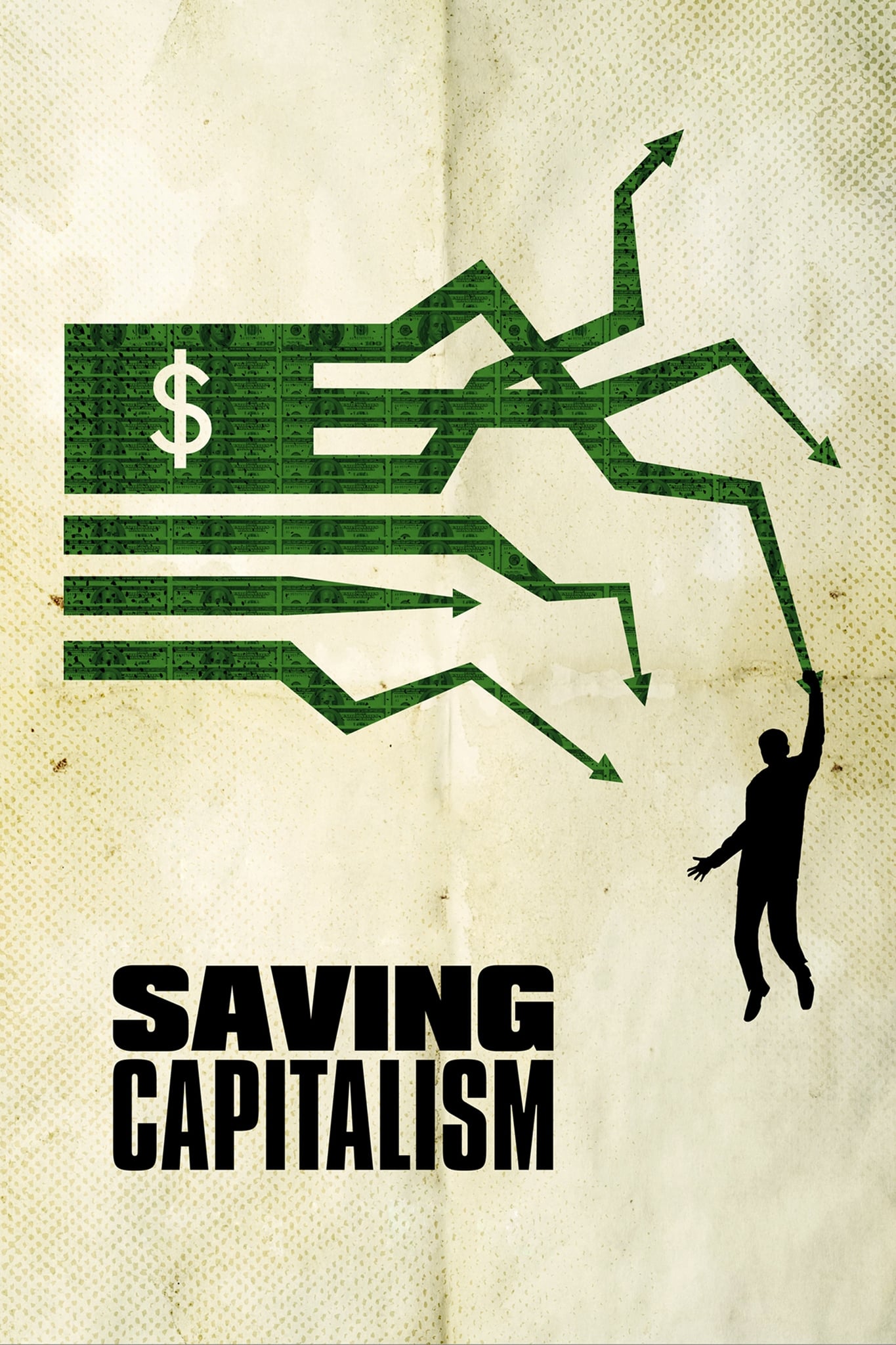
Story Structure — 5 Plot Phases
The Silence Behind Anger
The presenter recalls an unanswered radio invitation and connects that silence to Americans who feel ignored. Demonstrations introduce anxiety about jobs, wages, and political direction.
Key Events
-
The Silent Radio Shift — The presenter recalls a lonely overnight radio job in 1964. Characters: Self - Presenter
Location: Radio station
-
Calls Go Unanswered — He invites listeners to call and offers increasing amounts of money, but nobody responds. Characters: Self - Presenter
Location: Radio station
-
A Nation Feels Unheard — The presenter connects the unanswered calls to Americans who want to be heard but feel ignored. Characters: Self - Presenter
Location: Radio station
-
Demonstrations And Anger — Public demonstrations and angry crowds introduce anxiety about jobs, wages, and political influence. Characters: Self - Presenter
Location: Public demonstrations
-
Capitalism's Central Question — The presenter asks whether capitalism can serve many people rather than a small group at the top. Characters: Self - Presenter
Location: Documentary presentation
The Unequal Economy
The film asks whether capitalism can serve the many. It links stagnant median wages and upward-moving income with growing concentrations of wealth and political power.
Key Events
-
Capitalism's Central Question — The presenter asks whether capitalism can serve many people rather than a small group at the top. Characters: Self - Presenter
Location: Documentary presentation
-
Growth Without Wage Gains — The economy grows after 1980 while median wages stagnate or decline after inflation. Characters: Self - Presenter
Location: Documentary presentation
-
Income Moves Upward — The presenter attributes upward income movement to market rules, profits, executive pay, and shareholder returns. Characters: Self - Presenter
Location: Documentary presentation
-
Wealth Concentrates Power — The film links concentrated wealth with concentrated political power and influence over economic rules. Characters: Self - Presenter
Location: Documentary presentation
-
Political Education Begins — The presenter traces his political education through work in Washington. Characters: Self - Presenter
Location: Washington
Rules Favoring Executives
The presenter recounts political education and work at the Federal Trade Commission. A debate over tax treatment for executive compensation illustrates how policy can encourage escalating pay.
Key Events
-
Political Education Begins — The presenter traces his political education through work in Washington. Characters: Self - Presenter
Location: Washington
-
FTC Advertising Proposal — At the Federal Trade Commission, he supports restricting advertising of unhealthy sugary products to children. Characters: Self - Presenter
Location: Federal Trade Commission
-
Executive Pay Debate — The presenter argues that companies should not receive tax advantages for excessively high executive pay. Characters: Self - Presenter
Location: Documentary discussion
-
Performance Pay Rule — Treasury officials support deductions for compensation tied to corporate performance. Characters: Self - Presenter
Location: Treasury policy discussion
-
Executive Pay Escalates — The presenter says the compensation approach contributes to a dramatic rise in executive pay. Characters: Self - Presenter
Location: Documentary presentation
Influence Across Daily Life
The argument expands to subsidies, tax breaks, consolidation, lobbying, and officials moving into lobbying. These mechanisms are linked to higher costs for major consumer services.
Key Events
-
Executive Pay Escalates — The presenter says the compensation approach contributes to a dramatic rise in executive pay. Characters: Self - Presenter
Location: Documentary presentation
-
Subsidies Shape Markets — The film broadens its argument to corporate subsidies, tax breaks, and industry consolidation. Characters: Self - Presenter
Location: Documentary presentation
-
Lobbying Influences Legislation — Campaign donations, public relations, and legal representatives are presented as routes of industry influence. Characters: Self - Presenter
Location: Political institutions
-
Officials Enter Lobbying — The movement of officials into lobbying is described as another mechanism shaping regulation. Characters: Self - Presenter
Location: Political institutions
-
Influence Raises Costs — The film links political influence to higher costs for Internet access, air travel, and health insurance. Characters: Self - Presenter
Location: Consumer services
Populism Without Closure
Businesspeople discuss why voters are drawn to contrasting political figures. The presenter describes populism as opposition to those in power but leaves the excerpt without a final resolution.
Key Events
-
Influence Raises Costs — The film links political influence to higher costs for Internet access, air travel, and health insurance. Characters: Self - Presenter
Location: Consumer services
-
Populist Anger Emerges — Businesspeople discuss voter attraction to both a businessman candidate and a progressive candidate. Characters: Self - Presenter, Self - Presenter
Location: Businesspeople discussion
-
Populism Takes Different Forms — The presenter defines populism as a reaction against those in power while emphasizing its divergent forms. Characters: Self - Presenter, Self - Presenter
Location: Businesspeople discussion
-
Excerpt Ends Without Resolution — The supplied excerpt ends with the contrast between forms of populism rather than a final political resolution. Characters: Self - Presenter
Location: Documentary presentation