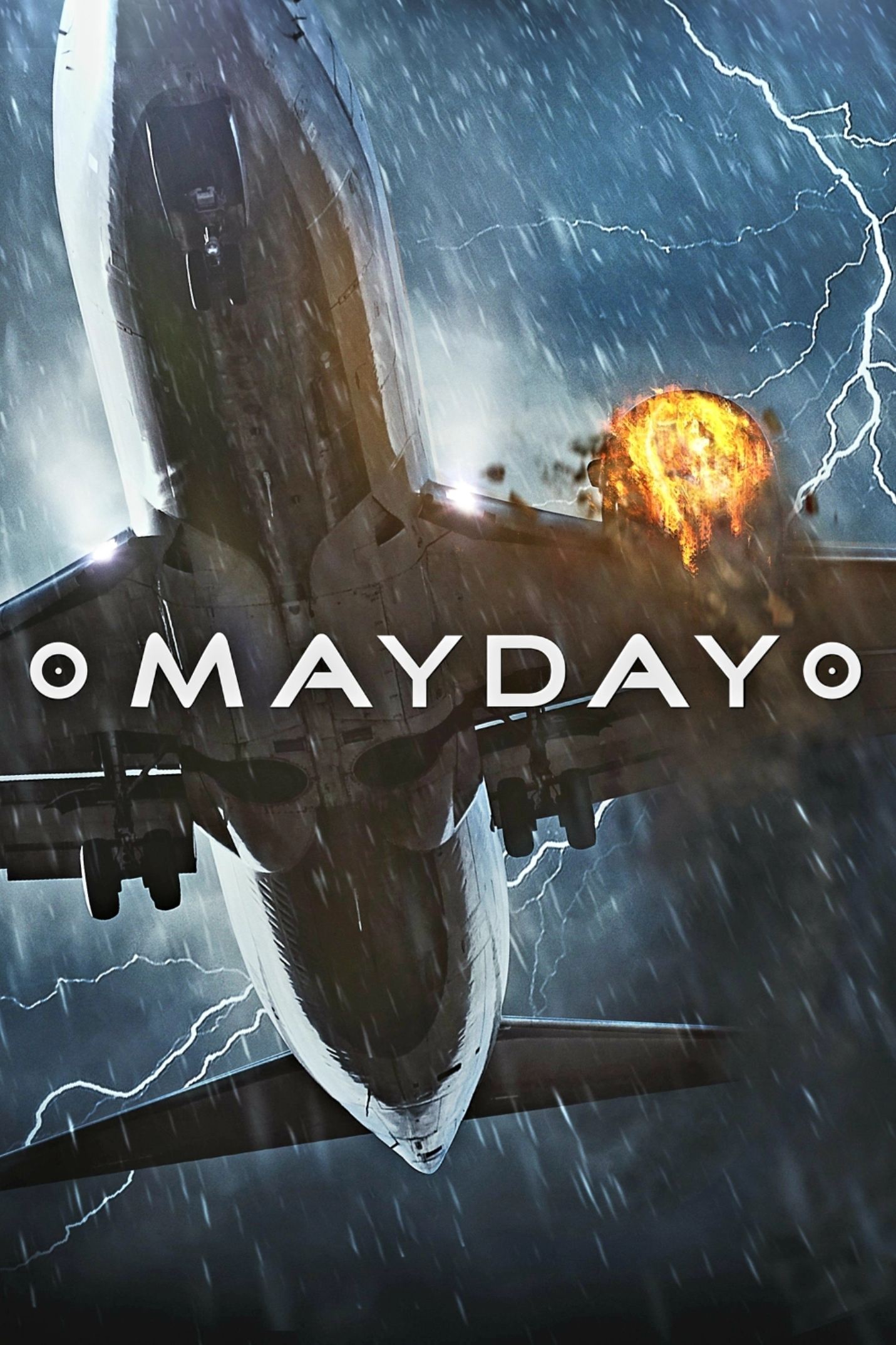
Mayday (2003) interactive character relationship network and AI-powered story timeline. Explore the connections, alliances, and conflicts between characters across the narrative arc.
An anthology of aviation and transport disasters that reconstructs incidents, investigates their causes, and highlights recurring technical, human, and organizational risks.
"Standard investigative protocol across the series involves NTSB personnel reviewing ATC recordings and operational logs to determine human and system...
"S19E2 details the Reno Air Races incident where Jimmy Leeward's modified P-51 Mustang spirals out of control, with air traffic control managing the e...
Rating: 8.2/10 (296 votes)
The opening season presents fatal and survivable incidents involving storms, structural failure, false instrument readings, fuel exhaustion, and fire. The cases establish the series' focus on reconstructing how aviation accidents unfold.
Cases range from a cockpit window failure and a propeller failure to hijacking, midair collision, navigational error, and fuel exhaustion. Outcomes vary from safe landings to catastrophic loss of life.
The season examines structural fatigue, hostile acts, damaged controls, disputed causes, and human error. Several crews achieve emergency landings, while other incidents end in mass casualties.
Storms, fire, spatial disorientation, and aircraft system failures shape the season's cases. It includes both successful emergency recoveries and fatal approaches.
The investigations trace disasters to bombs, weather, maintenance, distraction, and misleading instruments. Some crews manage extraordinary landings, while many flights are lost.
Three specials revisit earlier cases through the themes of decompression, minor defects, and the interaction between crews and avionics. The season emphasizes recurring causal patterns across incidents.
The season covers bombs, midair collisions, structural failures, fuel miscalculation, icing, and an evacuation accident. Investigations look backward for causes that were not apparent during flight.
The specials connect weather-related disasters with air traffic control and future air-transport systems. Their comparisons frame safety as a problem involving both flight crews and wider systems.
The cases include a runway fire, disputed causes, failed takeoff configuration, runway collision, and errors involving autopilot or icing. The season links immediate cockpit events with broader operational conditions.
The season features sensor failures, fuel-flow problems, unsafe approaches, crew fatigue, and engine failure. A successful Hudson River ditching stands beside several fatal accidents.
Accidents arise from incorrect settings, maintenance, weather, communication failures, and deliberate violence. The United Airlines Flight 232 crew's emergency landing offers a notable survival outcome.
The season ranges across fires, runway errors, disputed crashes, fuel mismanagement, and flawed checklists. Several investigations confront uncertainty while identifying concrete operational or technical failures.
Cases include stalls, collisions, spatial disorientation, maintenance failures, and unresolved explanations. A safe emergency landing during a storm provides a counterpoint to the fatal cases.
The season covers runway and approach accidents, wake turbulence, a missing aircraft, and a cargo-plane crash landing. The disappearance of Malaysia Airlines Flight 370 leaves a central mystery unresolved in the supplied context.
The cases include runway collisions, landing accidents, fires, engine failures, and a cargo-plane crash. Their causes range from equipment malfunction to operational errors.
The season includes hijacking, collision, fire, weather, and crew-response cases. Some incidents end in successful emergency landings, while others result in fatal crashes.
Investigators use recordings and wreckage to examine crew cooperation, known hazards, and disputed evidence. The TWA Flight 800 investigation becomes a conflict between investigative agencies.
The cases encompass maintenance, weather, airspace, aircraft systems, and crew decisions. They show both catastrophic outcomes and serious incidents with survivors.
The season examines crashes during approach, takeoff, and competition, alongside survivable incidents. Fuel exhaustion and aircraft control recur among the cases.
Investigations address cockpit confusion, incorrect information, weather, and failures to use available safeguards. Several descriptions emphasize how investigators work through incomplete or difficult evidence.
The season includes a lightning-related control failure, fatal approaches, and the Boeing 737 MAX grounding. Emergency landings and accidents alike illustrate the consequences of technical and human factors.
The cases revisit historic aircraft failures and examine more recent disasters, including a helicopter crash that killed Kobe Bryant. Investigations connect individual events with maintenance, decisions, and operating conditions.
Investigators interpret cockpit recordings, wreckage, and maintenance history across a varied set of accidents. Some episodes present disputed explanations or newly emerging theories.
The season juxtaposes successful emergency landings with fatal accidents involving fire, runway excursions, and control failures. The Ethiopian Airlines Flight 302 episode links a crash to the grounding of an aircraft fleet.
The season revisits the Überlingen collision and the USAir 1493 runway collision, alongside cargo, fuel, and aircraft-control cases. Its descriptions emphasize both investigative findings and the struggle to escape a burning aircraft.
The supplied season context describes crashes caused by poor judgment, spatial disorientation, weather, and aircraft failures, as well as a safe belly landing. Its episode headings and summaries contain some mismatched flight details, so only their directly stated events are represented.
Plot analysis generated from content on Wikipedia, licensed under CC BY-SA 4.0.
Related entry on Wikidata (Q527965), public domain (CC0).