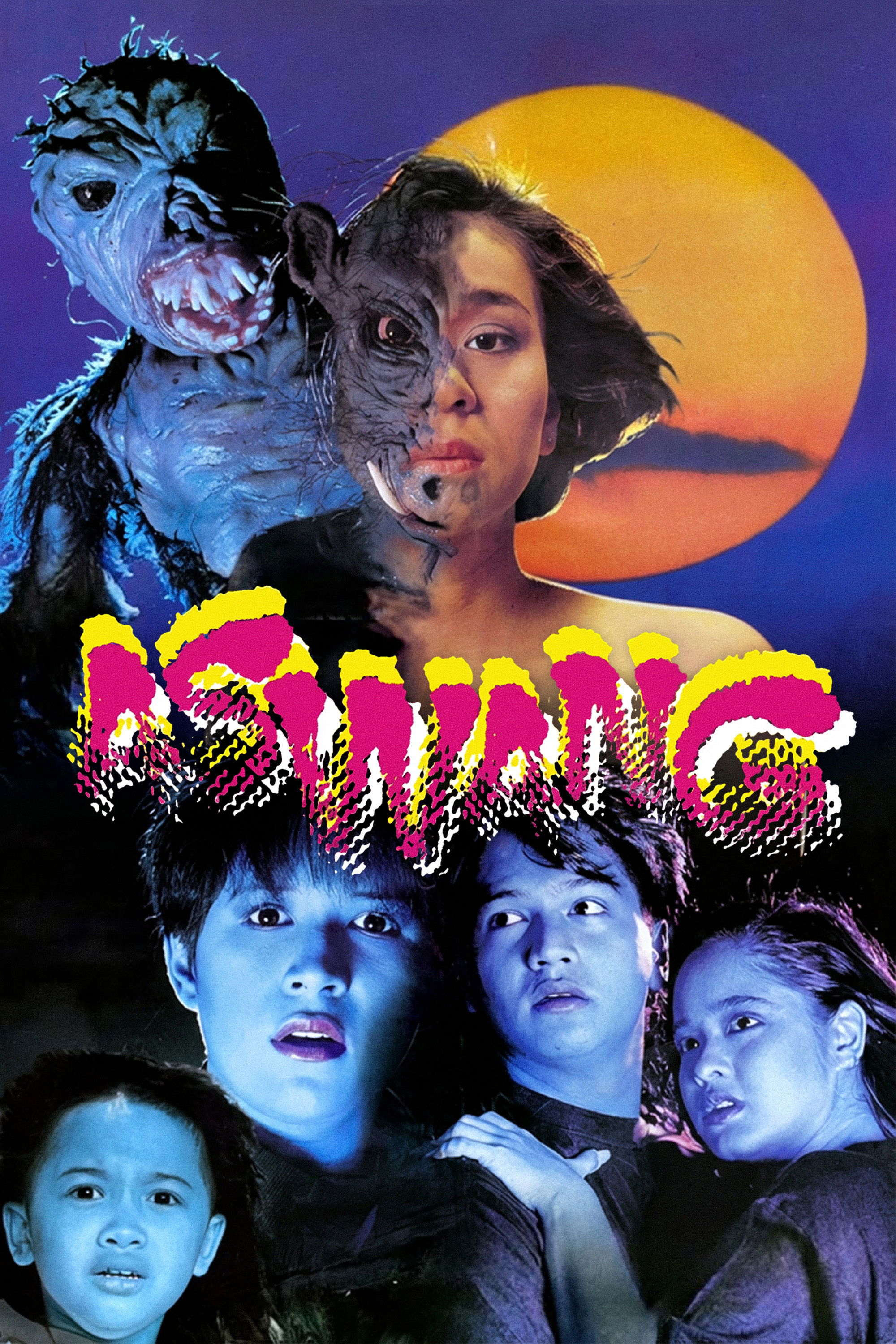
Traces the mythological origins, shape-shifting forms, and global film migration of the Filipino aswang creature.
Story Structure — 4 Plot Phases
Mythological Introduction
The aswang is established as a traditional shape-shifting creature of Filipino legend. Its primary forms, including a giant snake, a young woman, and a withered old hag, are introduced.
Key Events
Introduction of Aswang — The aswang is introduced as a traditional shape-shifting creature of local legend. Characters: AswangLocation: Philippine Folklore Realm
Snake Transformation — The entity manifests its first form as a giant snake. Characters: AswangLocation: Wilderness
Young Woman Form — The aswang appears in the guise of a young woman. Characters: AswangLocation: Village
Cinematic Origins
The narrative traces the creature's extensive film history, beginning with the 1932 Philippine sound classic. The aswang's migration to Hong Kong, India, and Japan is documented.
Key Events
Old Hag Manifestation — The creature shifts into a withered old hag appearance. Characters: AswangLocation: Shadows
Cinematic History Overview — The narrative acknowledges the aswang's extensive presence in cinema. Characters: AswangLocation: Film Archive
1932 Ang Aswang Release — The creature stars in the Philippines' inaugural sound picture. Characters: AswangLocation: Philippine Studios
Hong Kong Migration — The aswang archetype adapts and migrates to Hong Kong films. Characters: AswangLocation: Hong Kong Cinema
Global Expansion
The aswang's journey continues as it adapts to Japanese cinema and prepares for its United States debut. The 1994 American release marks a major milestone.
Key Events
Hong Kong Migration — The aswang archetype adapts and migrates to Hong Kong films. Characters: AswangLocation: Hong Kong Cinema
Indian Cinema Adaptation — The shape-shifting legend finds new expression in Indian cinema. Characters: AswangLocation: Indian Film Industry
Japanese Film Influence — The creature's lore crosses into Japanese cinematic traditions. Characters: AswangLocation: Japanese Studios
United States Entry — The aswang franchise prepares for its American debut. Characters: AswangLocation: US Market
1994 US Release — The creature officially reaches United States audiences in 1994. Characters: AswangLocation: American Theaters
Co-direction Announcement — Peque Gallaga and Lore Reyes co-direct the 1992 film. Characters: AswangLocation: Production Set
Production & Legacy
Co-directors Peque Gallaga and Lore Reyes assemble a cast including Alma Moreno and Lilia Cuntapay. The film's release cements the aswang's enduring place in horror cinema.
Key Events
Co-direction Announcement — Peque Gallaga and Lore Reyes co-direct the 1992 film. Characters: AswangLocation: Production Set
Alma Moreno Casting — Alma Moreno is selected to portray the young woman form. Characters: AswangLocation: Casting Room
Lilia Cuntapay Casting — Lilia Cuntapay joins to embody the withered old hag. Characters: AswangLocation: Casting Room
Aiza Seguerra Casting — Aiza Seguerra is added to the supporting cast. Characters: AswangLocation: Casting Room
Janice de Belen Casting — Janice de Belen joins the ensemble cast. Characters: AswangLocation: Casting Room
Aljon Jimenez Casting — Aljon Jimenez is cast in a supporting role. Characters: AswangLocation: Casting Room
John Estrada Casting — John Estrada completes the primary cast lineup. Characters: AswangLocation: Casting Room
Filming Production — Principal photography captures the aswang's transformations. Characters: AswangLocation: Philippine Locations
Cinematic Legacy Cemented — The 1992 film solidifies the aswang's status in horror cinema. Characters: AswangLocation: Film History
Story Breakdown
Mythological Roots — Explores the aswang's foundation in traditional Filipino folklore and supernatural beliefs.
Shape-shifting Lore — Details the creature's ability to transform into multiple physical forms.
Cultural Significance — Examines the aswang's role as a staple of local legend and horror tradition.
Cinematic Origins — Documents the early film adaptations that established the aswang in Philippine cinema.
1932 Sound Classic — Highlights the first Philippine sound film featuring the creature.
Early Adaptations — Tracks initial cinematic interpretations and stylistic choices.
Shape-shifting Forms — Analyzes the distinct visual manifestations of the aswang throughout the narrative.
Giant Snake — Represents the primal, predatory aspect of the creature.
Human Guises — Contrasts the young woman and withered old hag portrayals.
Directorial Vision — Details the creative leadership behind the 1992 film production.
Co-direction — Peque Gallaga and Lore Reyes share creative control.
Visual Style — Defines the atmospheric and horror elements of the film.
Cast & Characters — Lists the primary actors who embody the aswang and its supporting world.
Lead Portrayals — Alma Moreno and Lilia Cuntapay play the dual forms.
Supporting Ensemble — Aiza Seguerra, Janice de Belen, Aljon Jimenez, and John Estrada.
Global Migration — Charts the aswang's journey from Philippine cinema to international markets.
Asian Expansion — Adaptations in Hong Kong, India, and Japan.
American Debut — The 1994 United States release and subsequent legacy.
This Filipino vampire film co-directed by Peque Gallaga and Lore Reyes tells the story of an aswang, the traditional shape-shifting creature of local legend. Here, the vampire makes appearances as a giant snake, a young woman (Alma Moreno), and a withered old hag (Lilia Cuntapay). The aswang has a lengthy cinematic history, having been the subject of the first sound film ever produced in the Philippines (1932's Ang Aswang) and migrating, in somewhat altered form, to films in Hong Kong, India, Japan, and, in 1994, to the United States. Aiza Seguerra co-stars with Janice de Belen, Aljon Jimenez, John Estrada, and Alma Moreno.