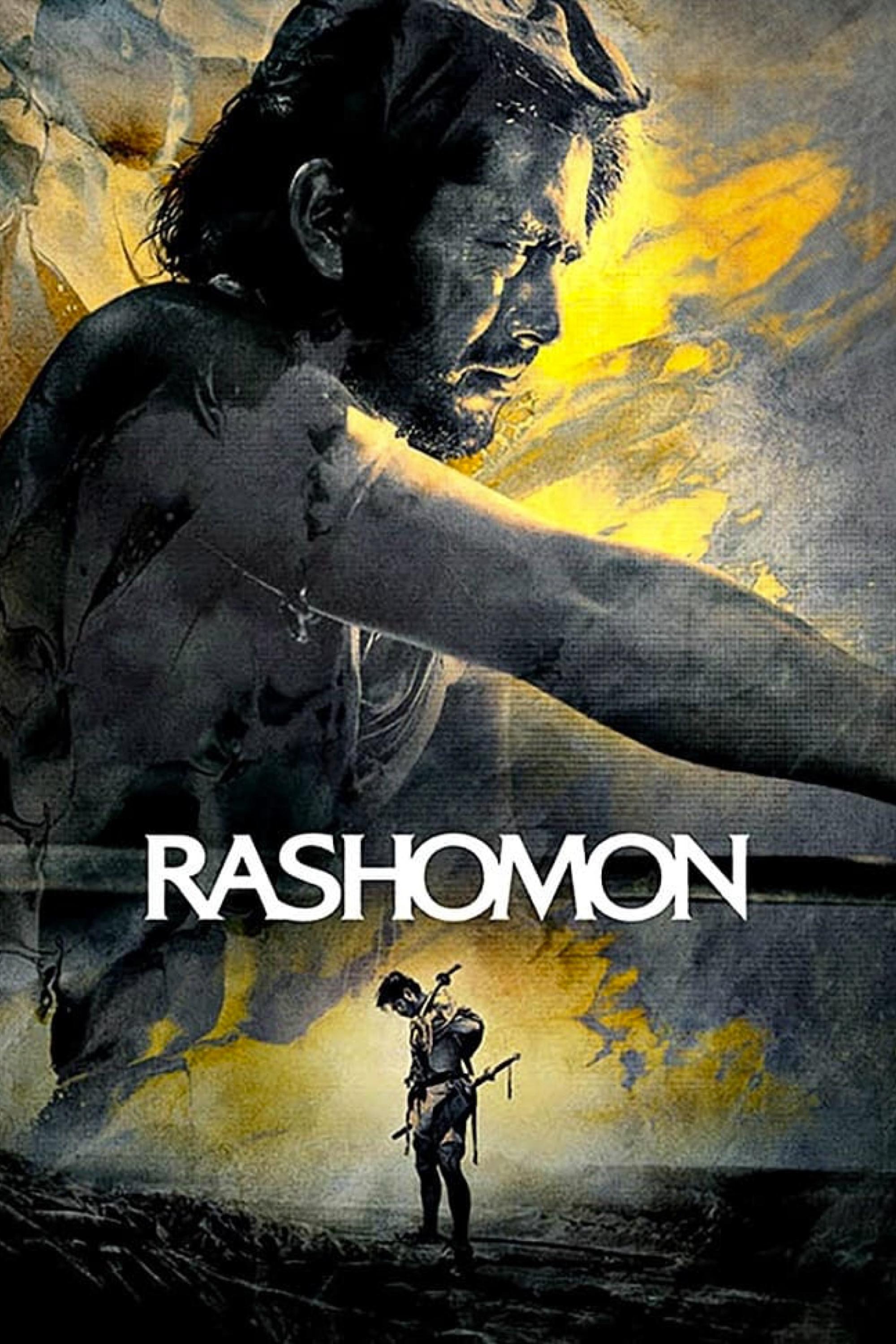
Rashomon (1950) character relationship network mapped with AI analysis. Explore the connections, alliances, and conflicts between characters.
Humble witness who finds the murder scene, struggles with guilt and truth.
Cynical bystander at Rashomon gate who represents societal moral decay.
Shinto channeler who reveals the dead samurai's perspective in Rashomon.
Investigator in Rashomon who captures Tajômaru and presents evidence.
Family, romantic, and professional connections based on plot evidence.
The dead samurai's testimony is heard through the Medium as part of the trial surrounding the murder investigated by the authorities.
The Woodcutter gives evidence about finding the samurai's body, while the Policeman presents the captured suspect and participates in the investigatio...
Alliances, conflicts, and narrative interactions that evolve throughout the story.
The Medium's testimony is discussed at the gate, where the Commoner responds cynically to the conflicting accounts and the possibility of human dishon...
The Medium conveys one version of the murder, while the Woodcutter later claims that all three presented stories are false and gives another account.
At the Rashomon gate, the Commoner presses the Woodcutter about his altered testimony and accuses him of stealing the wife's dagger.
Conflicting testimonies expose human self-deception, while an act of compassion restores limited faith in humanity.
Directed by Akira Kurosawa
Rashomon (1950) · 8/10 · crime, drama, mystery
Plot analysis generated from content on Wikipedia, licensed under CC BY-SA 4.0.
Related entry on Wikidata (Q135465), public domain (CC0).