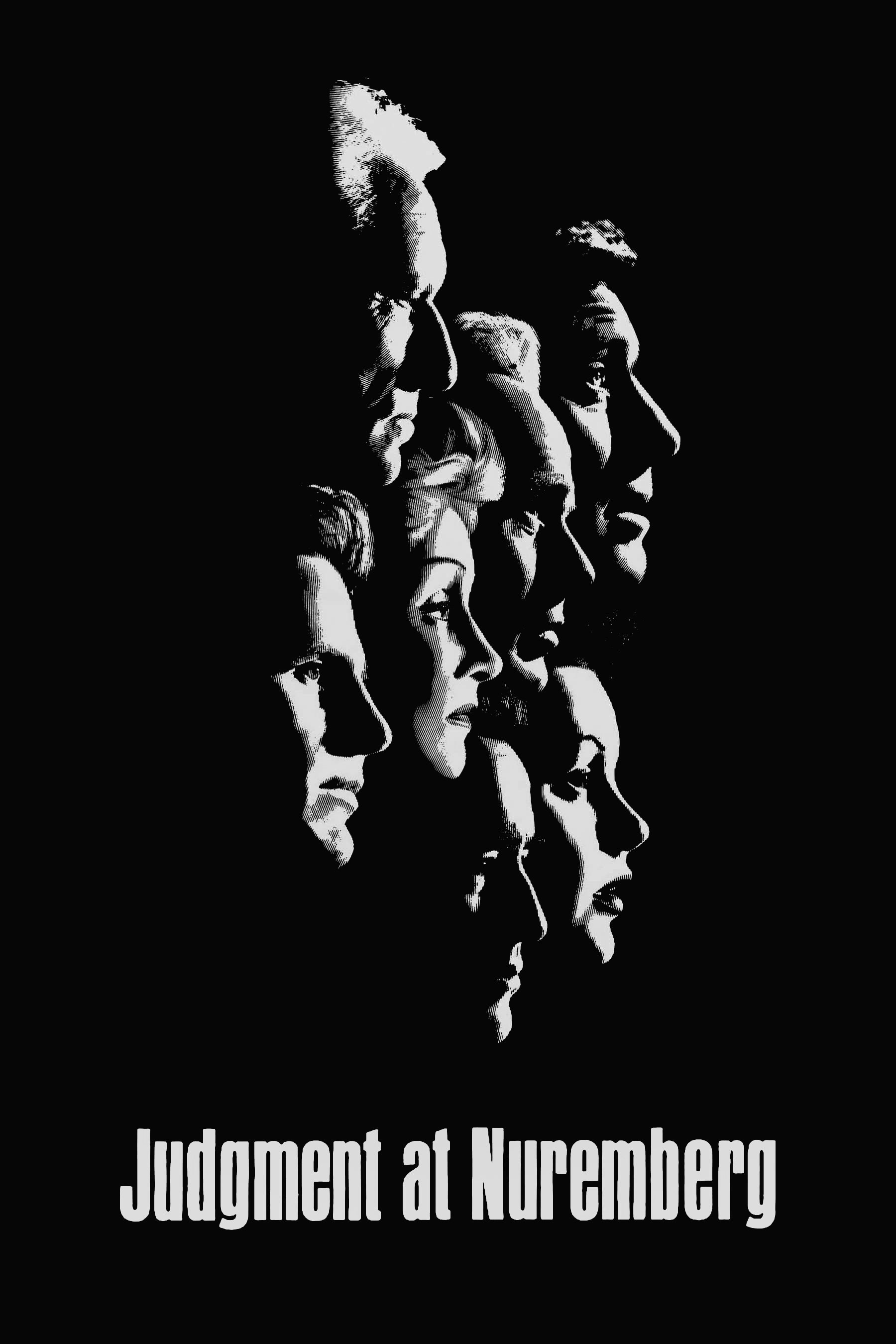
Plot Analysis Summary
A tribunal examines how legal obedience, political expediency, and personal responsibility shaped crimes committed under a totalitarian regime.
Story Structure — 5 Plot Phases
The Tribunal Takes Shape
An Allied tribunal convenes in Nuremberg to judge four German legal officials. Haywood begins examining both the defendants and the society that enabled their actions.
Key Events
-
Tribunal Convenes — An Allied tribunal begins hearing the case against four German judges and prosecutors. Characters: Dan Haywood, Hans Rolfe, Ernst Janning, Werner Lampe, Friedrich Hofstetter, Emil Hahn
Location: Nuremberg courtroom
-
Defendants Enter Pleas — The four defendants maintain pleas of not guilty before the tribunal. Characters: Dan Haywood, Hans Rolfe, Ernst Janning, Werner Lampe, Friedrich Hofstetter, Emil Hahn
Location: Nuremberg courtroom
-
Haywood Studies Janning — Haywood tries to understand how a respected jurist became involved in atrocities. Characters: Dan Haywood, Ernst Janning
Location: Haywood's residence
-
Byers Assists Judges — Byers assists the American judges handling the proceeding. Characters: Dan Haywood, Harrison Byers
Location: American tribunal offices
The Defense Broadens Guilt
Rolfe argues that responsibility for political crimes extends beyond the defendants. His comparisons challenge the tribunal's moral authority and increase pressure on Haywood.
Key Events
-
Rolfe Opens Defense — Rolfe argues that responsibility for Nazi crimes was not limited to the defendants. Characters: Hans Rolfe, Dan Haywood, Ernst Janning, Werner Lampe, Friedrich Hofstetter, Emil Hahn
Location: Nuremberg courtroom
-
Defense Cites Foreign Precedents — Rolfe cites foreign legal, diplomatic, political, and military actions as comparative examples. Characters: Hans Rolfe, Dan Haywood
Location: Nuremberg courtroom
-
Janning Refuses Testimony — Janning refuses to testify because he considers the proceeding another form of political justice. Characters: Ernst Janning, Hans Rolfe, Dan Haywood
Location: Nuremberg courtroom
-
Berlin Blockade Pressure — The trial unfolds amid pressure to avoid harsh judgments for geopolitical reasons. Characters: Dan Haywood, Hans Rolfe, Ernst Janning, Werner Lampe, Friedrich Hofstetter, Emil Hahn
Location: Nuremberg
Janning Breaks Silence
Janning abandons his refusal to testify and admits that he knowingly condemned an innocent man. His testimony shifts the case from legal argument toward direct moral confession.
Key Events
-
Janning Breaks Silence — Janning unexpectedly agrees to testify before the tribunal. Characters: Ernst Janning, Dan Haywood, Hans Rolfe
Location: Nuremberg courtroom
-
Janning Admits Wrongful Sentence — Janning admits condemning an innocent Jewish man despite knowing the evidence was insufficient. Characters: Ernst Janning, Dan Haywood, Hans Rolfe
Location: Nuremberg courtroom
-
Janning Accepts Responsibility — Janning says misguided patriotism helped sustain racist policies and implicates Germany collectively. Characters: Ernst Janning, Dan Haywood, Hans Rolfe, Werner Lampe, Friedrich Hofstetter, Emil Hahn
Location: Nuremberg courtroom
Verdicts Under Pressure
The defendants offer sharply different closing positions, ranging from remorse to denial and defiance. Haywood must choose justice despite geopolitical pressure to treat them leniently.
Key Events
-
Closing Statements Begin — The defendants deliver closing statements while maintaining their pleas of not guilty. Characters: Hans Rolfe, Ernst Janning, Werner Lampe, Friedrich Hofstetter, Emil Hahn, Dan Haywood
Location: Nuremberg courtroom
-
Remorse and Defiance — Janning and Lampe show remorse, Hofstetter claims obedience, and Hahn remains unrepentant. Characters: Ernst Janning, Werner Lampe, Friedrich Hofstetter, Emil Hahn
Location: Nuremberg courtroom
-
Tribunal Deliberates — Haywood weighs geopolitical expediency against his ideals of justice. Characters: Dan Haywood, Harrison Byers
Location: Judges' deliberation room
-
Guilty Verdicts — All four defendants are found guilty and sentenced to life in prison. Characters: Dan Haywood, Hans Rolfe, Ernst Janning, Werner Lampe, Friedrich Hofstetter, Emil Hahn
Location: Nuremberg courtroom
The Cost of First Guilt
After the life sentences, Rolfe predicts an early release, while Haywood defends justice against pragmatic logic. In prison, Janning accepts the verdict but is confronted with the first wrongful condemnation.
Key Events
-
Rolfe Predicts Release — Rolfe predicts that the defendants will not remain imprisoned for more than five years. Characters: Hans Rolfe, Dan Haywood
Location: Nuremberg courthouse
-
Justice versus Logic — Haywood answers that Rolfe's position may be logical but lacks reverence for justice. Characters: Hans Rolfe, Dan Haywood
Location: Nuremberg courthouse
-
Haywood Receives Papers — Byers gives Haywood his travel documents as Haywood prepares to leave Germany. Characters: Dan Haywood, Harrison Byers
Location: Nuremberg departure area
-
Haywood Visits Prison — Haywood visits Janning, who affirms that the verdict was just but denies foreseeing the mass murder. Characters: Dan Haywood, Ernst Janning
Location: Nuremberg prison
-
The First Condemnation — Haywood tells Janning that the catastrophe began when he condemned a man he knew was innocent. Characters: Dan Haywood, Ernst Janning
Location: Nuremberg prison cell block
-
Departure and Historical Coda — Haywood leaves as a title card states that none of the American Zone prisoners remain incarcerated. Characters: Dan Haywood
Location: Road from Nuremberg