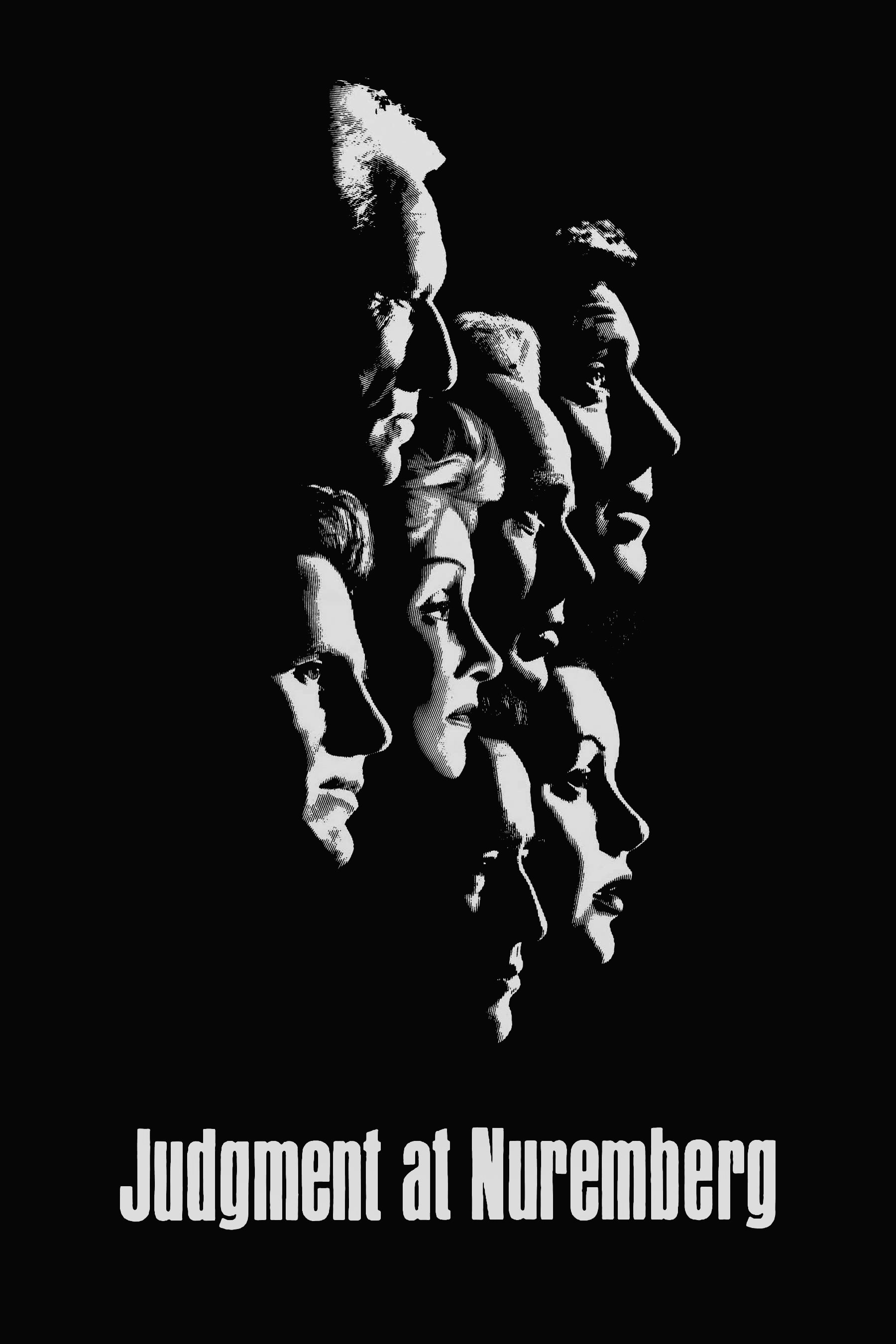
Dan Haywood (played by Spencer Tracy) is a protagonist in Judgment at Nuremberg.
Dan Haywood heads the Allied tribunal judging four German defendants accused of crimes against humanity. He tries to understand how Ernst Janning and ordinary Germans enabled Nazi atrocities, while balancing his ideals of justice against Cold War pressure. He befriends Mrs. Bertholt and ultimately upholds the convictions. Hans Rolfe (played by Maximilian Schell) appears in Judgment at Nuremberg.
Hans Rolfe is the German defense attorney representing the accused judges. He argues that responsibility for political wrongdoing extends beyond the defendants, citing actions by the United States, the Vatican, and Joseph Stalin. After the verdict, he challenges Dan Haywood's ideals, calling his own position logical but lacking reverence for justice. Ernst Janning (played by Burt Lancaster) appears in Judgment at Nuremberg.
Ernst Janning is a respected German jurist and legal scholar accused of condemning innocent people under the Nazi regime. Initially refusing to participate, he later testifies for the prosecution and admits his guilt in a wrongful death sentence. He expresses remorse, accepts Haywood's verdict, and insists he never understood the eventual scale of the murders. Werner Lampe (played by Torben Meyer) appears in Judgment at Nuremberg.
Werner Lampe is one of the German defendants tried for crimes committed through the Nazi legal system. Although he maintains a plea of not guilty in his closing statement, he shows clear remorse for his actions. He is ultimately found guilty and sentenced to life in prison alongside Ernst Janning, Emil Hahn, and Friedrich Hofstetter. Friedrich Hofstetter (played by Martin Brandt) appears in Judgment at Nuremberg.
Friedrich Hofstetter is one of the four German defendants before the tribunal. In his closing statement, he claims that the defendants had no choice but to execute the laws issued by Hitler's government. Unlike the remorseful Werner Lampe and Ernst Janning, Hofstetter presents obedience to official authority as his defense, but he is still convicted and sentenced to life imprisonment. Harrison Byers (played by William Shatner) appears in Judgment at Nuremberg.
Harrison Byers is a US Army captain assigned to assist the American judges during the trial. He provides Dan Haywood with his travel documents when Haywood is leaving Germany and mentions that Americans are unpopular in Nuremberg after the verdicts. His remark about a German girlfriend implies that the judgments have damaged their relationship. Emil Hahn (played by Werner Klemperer) appears in Judgment at Nuremberg.
Emil Hahn is one of the four German defendants. Unlike Ernst Janning and Werner Lampe, he shows no remorse after being convicted and sentenced to life imprisonment. He remains defiant toward the Americans, warning that they will regret refusing to ally with the Nazis against the Soviet Union, and therefore represents continued ideological commitment to the regime's cause.
Judgment at Nuremberg (1961) character relationship network mapped with AI analysis. Explore the connections, alliances, and conflicts between characters.
Characters
Dan Haywood
(played by Spencer Tracy) — protagonist
Dan Haywood heads the Allied tribunal judging four German defendants accused of crimes against humanity. He tries to understand how Ernst Janning and ordinary Germans enabled Nazi atrocities, while ba...
Hans Rolfe
(played by Maximilian Schell) — supporting
Hans Rolfe is the German defense attorney representing the accused judges. He argues that responsibility for political wrongdoing extends beyond the defendants, citing actions by the United States, th...
Ernst Janning
(played by Burt Lancaster) — supporting
Ernst Janning is a respected German jurist and legal scholar accused of condemning innocent people under the Nazi regime. Initially refusing to participate, he later testifies for the prosecution and...
Werner Lampe
(played by Torben Meyer) — supporting
Werner Lampe is one of the German defendants tried for crimes committed through the Nazi legal system. Although he maintains a plea of not guilty in his closing statement, he shows clear remorse for h...
Friedrich Hofstetter
(played by Martin Brandt) — minor
Friedrich Hofstetter is one of the four German defendants before the tribunal. In his closing statement, he claims that the defendants had no choice but to execute the laws issued by Hitler's governme...
Harrison Byers
(played by William Shatner) — supporting
Harrison Byers is a US Army captain assigned to assist the American judges during the trial. He provides Dan Haywood with his travel documents when Haywood is leaving Germany and mentions that America...
Emil Hahn
(played by Werner Klemperer) — supporting
Emil Hahn is one of the four German defendants. Unlike Ernst Janning and Werner Lampe, he shows no remorse after being convicted and sentenced to life imprisonment. He remains defiant toward the Ameri...
Canonical Relationships
Family, romantic, and professional connections based on plot evidence.
Hans Rolfe → Emil Hahn
(Professional Defense Attorney)
Rolfe defends the four accused judges, including Hahn, who remains unrepentant at the trial's conclusion.
Hans Rolfe → Friedrich Hofstetter
(Professional Defense Attorney)
Rolfe defends the four accused judges, including Hofstetter, whose closing statement insists that he had no choice.
Hans Rolfe → Werner Lampe
(Professional Defense Attorney)
Rolfe serves as defense counsel for the accused judges, including Lampe, during the tribunal.
Hans Rolfe → Ernst Janning
(Professional Defense Attorney)
Rolfe represents Janning and argues that the defendants were not uniquely responsible for cooperation with or tolerance of the regime.
Harrison Byers → Dan Haywood
(Professional Assigned Assistant)
Byers is assigned to assist the American judges, later gives Haywood his travel documents, and speaks with him about the verdict's aftermath.
Dan Haywood → Emil Hahn
(Professional Judge And Defendant)
Hahn is tried before Haywood's tribunal and remains unrepentant after the verdict.
Dan Haywood → Friedrich Hofstetter
(Professional Judge And Defendant)
Hofstetter is one of the four defendants tried before Haywood's tribunal and claims he had no choice but to execute government laws.
Dan Haywood → Werner Lampe
(Professional Judge And Defendant)
Lampe is one of the defendants whose case Haywood's tribunal hears, and Lampe shows remorse in his closing statement.
Dan Haywood → Ernst Janning
(Professional Judge And Defendant)
Haywood presides over Janning's case and seeks to understand how a respected jurist could participate in atrocities.
Story Dynamics
Alliances, conflicts, and narrative interactions that evolve throughout the story.
Dan Haywood → Hans Rolfe
(Conflict Adversarial Counsel)
Rolfe defends the accused judges while Haywood presides over the tribunal that must determine their guilt.
Friedrich Hofstetter → Emil Hahn
(Alliance Co-Defendant)
Hofstetter and Hahn are both among the four defendants sentenced to life in prison.
Werner Lampe → Emil Hahn
(Alliance Co-Defendant)
Lampe and Hahn are both defendants who maintain pleas of not guilty in their closing statements.
Werner Lampe → Friedrich Hofstetter
(Alliance Co-Defendant)
Lampe and Hofstetter are both included among the four defendants in the tribunal.
Ernst Janning → Emil Hahn
(Alliance Co-Defendant)
Janning and Hahn are both tried as German judges accused of crimes against humanity.
Ernst Janning → Friedrich Hofstetter
(Alliance Co-Defendant)
Janning and Hofstetter are among the four judges prosecuted for crimes against humanity.
Story Analysis
A tribunal examines how legal obedience, political expediency, and personal responsibility shaped crimes committed under a totalitarian regime.
Plot Progression
The Tribunal Takes Shape
The Defense Broadens Guilt
Janning Breaks Silence
Verdicts Under Pressure
The Cost of First Guilt
Directed by Stanley Kramer
Judgment at Nuremberg (1961) · 8/10 · drama, history