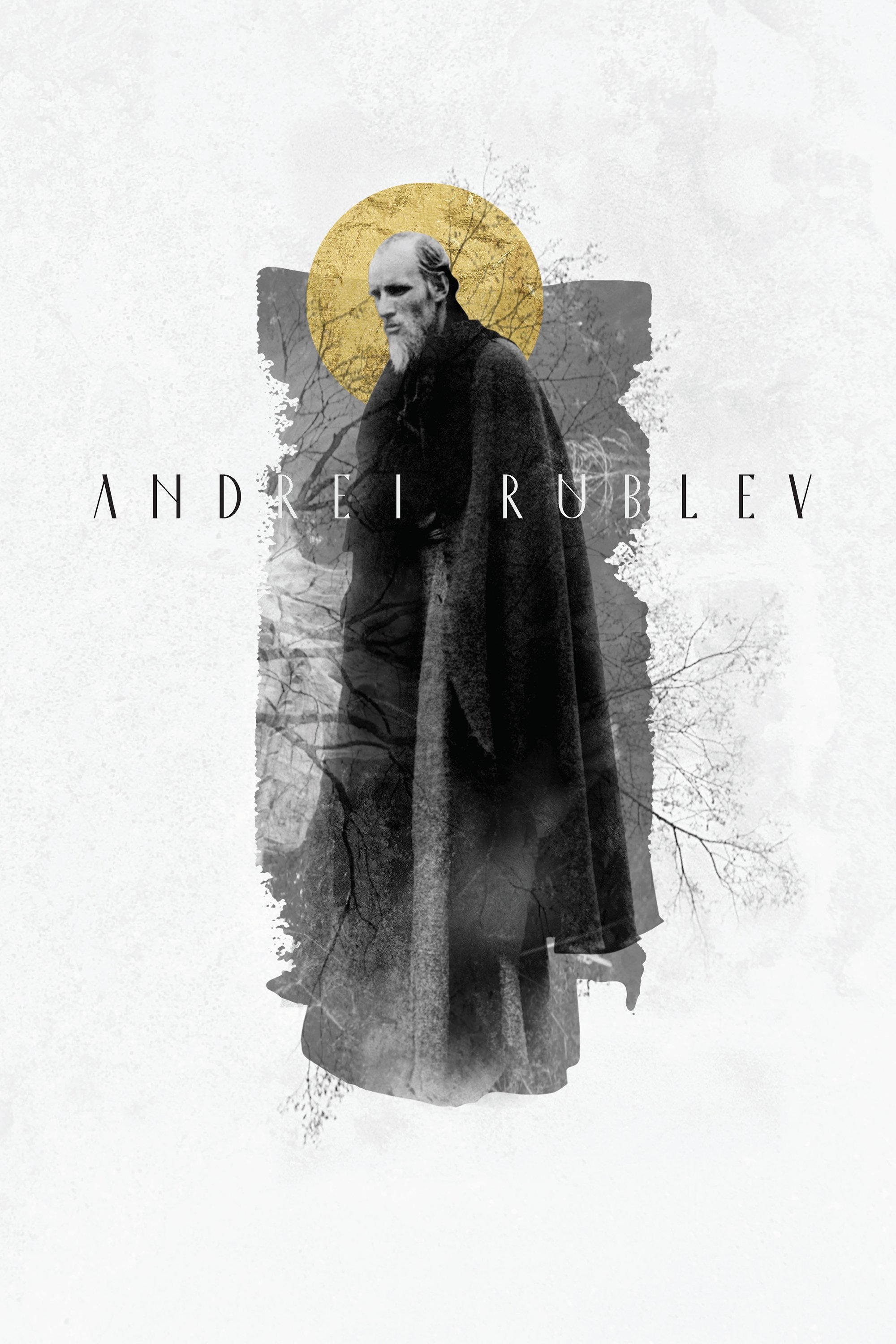
Andrei Rublev (1966) character relationship network mapped with AI analysis. Explore the connections, alliances, and conflicts between characters.
A wandering monk and renowned icon painter, Andrei is the story’s central figure. He struggles to create art that inspires rather than frightens, witnesses the brutality of the raid on Vladimir, and t...
A perceptive, intelligent monk who hopes to gain prominence despite lacking talent as a painter, Kirill is jealous of Andrei’s reputation and leaves the monastery in anger. After years away, he return...
Andrei’s young apprentice, Foma has artistic talent but is more interested in practical matters, such as perfecting his use of azure pigment, than in the deeper meaning of art. He travels with Andrei...
The younger brother of the Grand Duke is power-hungry and allies with the Tatars to raid Vladimir while his brother is away. The attack brings devastation to the city and its people. At the later bell...
The young son of a master bellmaker, Boriska claims to know his deceased father’s craft and secures a commission to cast a bell for the Grand Duke. He directs the workmen with confidence while private...
Family, romantic, and professional connections based on plot evidence.
Boriska secures a commission to make a bell for the Grand Duke, who threatens to execute him and the work crew if it fails to ring.
Foma is introduced as a talented young artist within the same traveling painting world that includes the monks and icon painters.
Andrei leaves for Moscow with his young apprentice Foma and discusses the apprentice's artistic flaws while they travel.
Alliances, conflicts, and narrative interactions that evolve throughout the story.
Yefim's balloon flight presents a daring creative hope that is crushed by a crash, while Andrei later abandons and eventually rediscovers his artistic...
Kirill is present during the later monastery period and has already pleaded with Andrei to resume his artistic work before the bell-making episode con...
Andrei returns to the Andronikov Monastery during the famine and continues living there after taking a vow of silence.
Kirill returns to the Andronikov Monastery, where a younger monk recognizes him and the monastery authorities permit his return under penance.
The Grand Duke's henchmen blind artisans connected with Andrei's work, and the Duke's forces later participate in the violence surrounding Vladimir.
After Boriska confesses that he never knew the bell-casting secret, Andrei comforts him and says, "You'll cast bells. I'll paint icons."
The plot introduces Andrei and Kirill as wandering monks and icon painters who have lived together at the Andronikov Monastery.
A painter's spiritual crisis unfolds amid war, oppression, artistic rivalry, and the difficult recovery of creative faith.
Directed by Andrei Tarkovsky
Andrei Rublev (1966) · 7.9/10 · drama, history
Plot analysis generated from content on Wikipedia, licensed under CC BY-SA 4.0.
Related entry on Wikidata (Q503046), public domain (CC0).