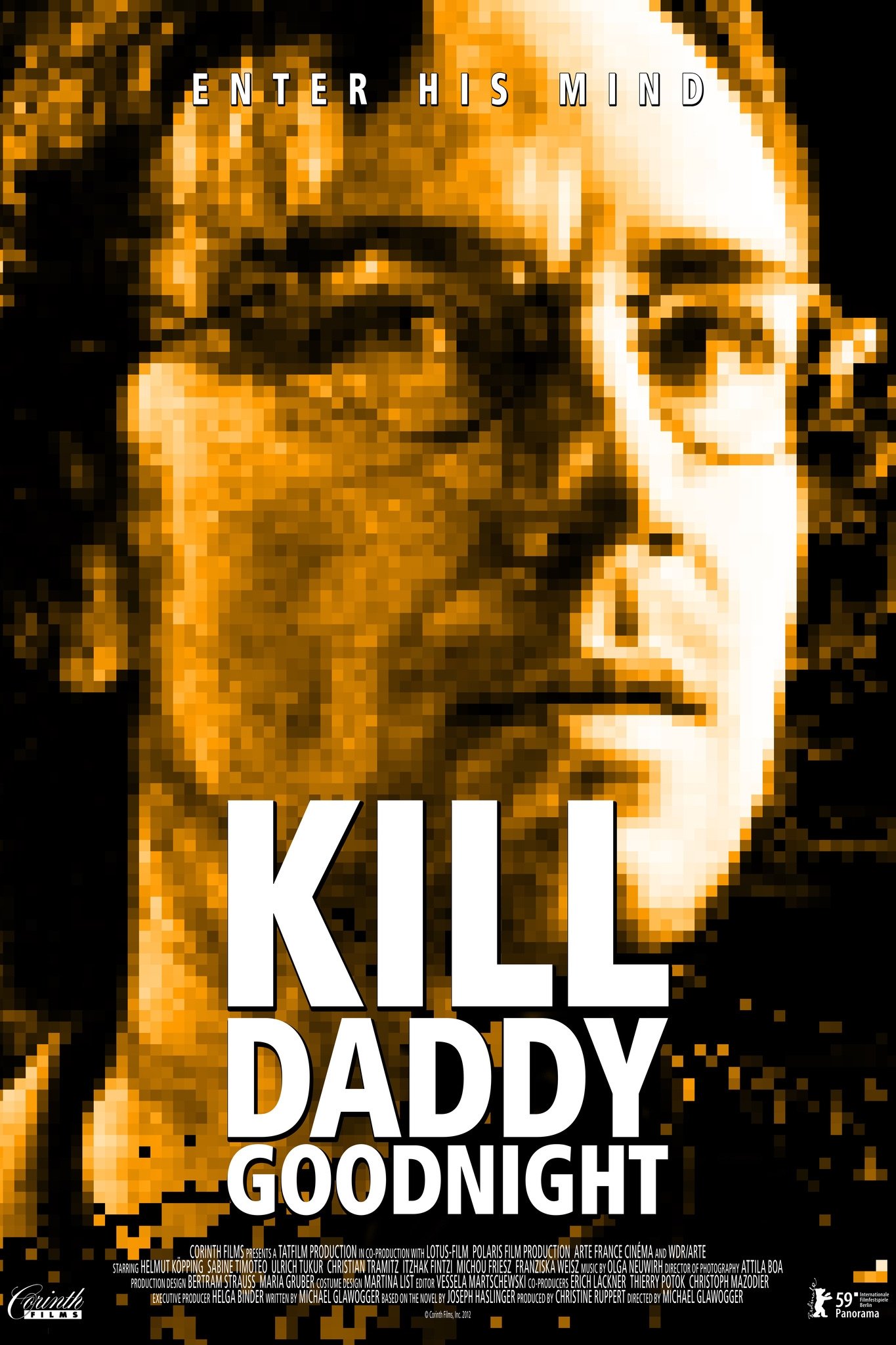
The film combines an oedipal family conflict with historical reckoning over Nazi crimes through interwoven and nonlinear storytelling.
The reference presents the work as an Austrian drama directed by Michael Glawogger. It also identifies Josef Haslinger's novel as the source material.
An oedipal conflict forms a major thematic component of the film. This personal dimension establishes the drama's psychologically charged foundation.
The film connects the oedipal conflict with a family's examination of Nazi crimes. The crimes specifically concern persecution and violence against the Jewish population.
Several plot strands are woven together rather than presented as a single linear thread. Numerous temporal jumps shape the film's narrative structure.
The literary adaptation reached a public festival setting through its 2009 Berlinale presentation. This provides the documented endpoint of the supplied reference.
The story and fate of three families: A Jewish family destroyed by the massacres of the Nazis in Lithuania; the family of the culprit, who flew to America and keeps grotesque family cohesion; the family of Ratz, a social democratic family, dissolving itself miserably in today's Vienna. The condemnation of the last century bundled in these three families showing clearly that one could never escape from its own past. Written by themoth-1
Michael Glawogger
Rating: 5.6/10 (14 votes)
Plot analysis generated from content on Wikipedia, licensed under CC BY-SA 4.0.
Related entry on Wikidata (Q19277849), public domain (CC0).