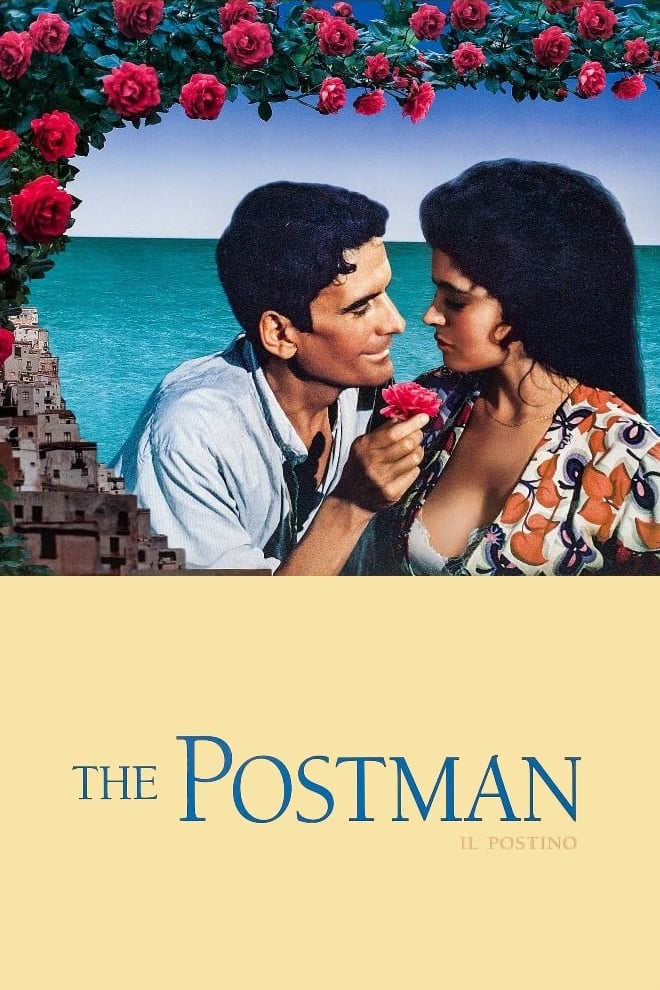
The Postman (1994) character relationship network mapped with AI analysis. Explore the connections, alliances, and conflicts between characters.
Characters
Mario Ruoppolo
(played by Massimo Troisi) — protagonist
Not featured in the provided plot summary. The summary outlines a post-apocalyptic narrative that does not include this character.
Pablo Neruda
(played by Philippe Noiret) — protagonist
Not featured in the provided plot summary. The summary outlines a post-apocalyptic narrative that does not include this character.
Beatrice Russo
(played by Maria Grazia Cucinotta) — supporting
Not featured in the provided plot summary. The summary outlines a post-apocalyptic narrative that does not include this character.
Di Cosimo
(played by Mariano Rigillo) — supporting
Not featured in the provided plot summary. The summary outlines a post-apocalyptic narrative that does not include this character.
Priest
(played by Carlo Di Maio) — supporting
Not featured in the provided plot summary. The summary outlines a post-apocalyptic narrative that does not include this character.
Canonical Relationships
Family, romantic, and professional connections based on plot evidence.
Mario Ruoppolo → Beatrice Russo
(Romantic Lover) — Their romance is Mario's central personal aspiration.
Mario falls in love with Beatrice and uses poetry to communicate his feelings to her.
Di Cosimo → Priest
(Power Political Influence) — Their shared political context affects the priest's initial decision.
The plot identifies Di Cosimo as the politician in office while the priest objects to Neruda's political association at the wedding.
Mario Ruoppolo → Pablo Neruda
(Professional Employer And Employee) — Their postal arrangement becomes the foundation of their personal relationship.
Mario is hired as a temporary postman, with Neruda as his only customer, and hand delivers Neruda's mail.
Story Dynamics
Alliances, conflicts, and narrative interactions that evolve throughout the story.
Di Cosimo → Pablo Neruda
(Conflict Political Adversary) — Di Cosimo represents the local political pressure surrounding Neruda's presence.
The wedding dispute is connected to Di Cosimo, the Christian Democrat politician in office in the area.
Priest → Pablo Neruda
(Conflict Political Opponent) — The priest's political objection temporarily excludes Neruda from the wedding.
The priest initially refuses to allow Neruda to be Mario's best man because of politics.
Pablo Neruda → Beatrice Russo
(Social Romantic Adviser) — Neruda indirectly assists the courtship that leads to their marriage.
Mario enlists Neruda's help while trying to communicate with Beatrice through poetry.
Story Analysis
A temporary postal job becomes a friendship, a romance, and a lasting meditation on poetry, politics, memory, and loss.
Plot Progression
The Island Postman
— Mario leaves fishing behind and becomes Neruda's temporary postman. Daily deliveries gradually turn a formal job into an unexpected friendship.
Metaphors of Desire
— Mario falls in love with Beatrice and asks Neruda for poetic guidance. His borrowed metaphors help him communicate despite opposition from Beatrice's aunt.
A Wedding and Departure
— Mario and Beatrice marry while political objections threaten Neruda's role in the ceremony. Neruda then receives permission to return to Chile.
Echoes Across Distance
— Mario receives an impersonal request for Neruda's belongings and responds by recording the island's sounds. The recordings preserve his memories and affection.
The Last Poem
— Mario is killed when a communist gathering is violently broken up. Years later, Beatrice gives Neruda Mario's recordings, leading him back to the beach.
Directed by Michael Radford
The Postman (1994) · 7.9/10 · comedy, drama, romance