Story Structure — 4 Plot Phases
Production Foundations
The film is established as a German silent production centered on circus life. Original scripts are drafted in German, and key creative personnel including director A.W. Sandberg and cinematographer Gustave Preiss are introduced.
Key Events
-
Silent Film Format Adoption — The film is established as a silent movie without synchronized sound.
Location: Production Studio
-
Circus Theme Introduction — The narrative centers on the adventures and lives within a circus setting.
Location: Circus Grounds
-
German Production Context — The film is officially produced and funded within the German film industry.
Location: Germany
-
Original German Script Writing — The screenplay is originally drafted in the German language.
Location: Script Office
-
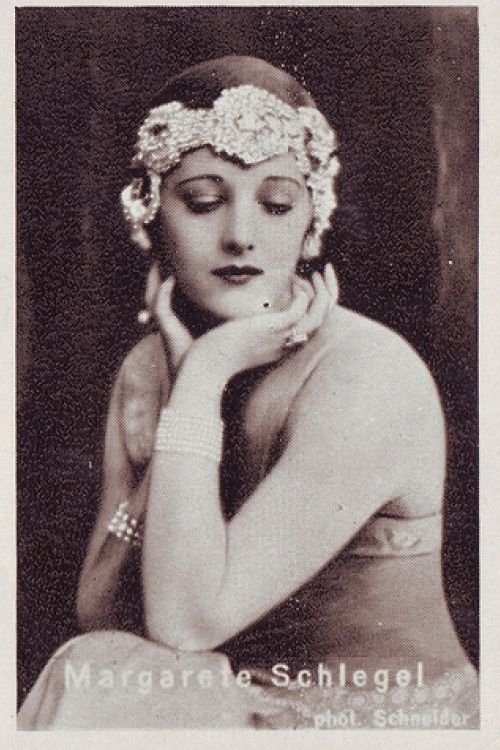
Lead Cast Assembly — Key performers including Margarete Schlegel, Victor Colani, Martin Herzberg, and Ernst Winar are selected.
Location: Casting Hall
-
Black and White Filming Process — Principal photography is executed using monochrome film techniques.
Location: Film Set
Circus Narrative Setup
The story unfolds within the circus environment, introducing the main cast and establishing character dynamics through visual storytelling. Black and white cinematography captures the atmospheric setting.
Key Events
-
Black and White Filming Process — Principal photography is executed using monochrome film techniques.
Location: Film Set
-
Director A.W. Sandberg Vision — A.W. Sandberg oversees the creative direction and pacing of the production.
Location: Director's Booth
-
Cinematography Execution — Gustave Preiss handles the visual composition and camera work.
Location: Film Set
-
Circus Performance Narrative — The story unfolds through staged circus acts and character interactions.
Location: Circus Tent
-
Character Dynamics Exploration — Interpersonal relationships and conflicts among circus members develop.
Location: Backstage Area
-
Silent Era Visual Storytelling — Narrative progression relies entirely on visual cues and intertitles.
Location: Editing Room
Performance Climax
The titular benefit performance reaches its peak, driving the narrative tension to its highest point. Visual cues and intertitles convey the dramatic resolution of interpersonal conflicts.
Key Events
-
Silent Era Visual Storytelling — Narrative progression relies entirely on visual cues and intertitles.
Location: Editing Room
-
Benefit Performance Climax — The titular benefit performance reaches its peak dramatic tension.
Location: Main Stage
-
Conflict Resolution Arc — Tensions from the performance are addressed and narrative threads converge.
Location: Circus Grounds
Historical Resolution
The film concludes its narrative arc and transitions into its historical legacy. Released in 1920, it eventually enters the public domain, securing its place in cinematic archives.
Key Events
-
1920 Premiere Screening — The completed film is publicly released to audiences in 1920.
Location: Theater
-
Historical Release Context — The film enters the cultural landscape alongside contemporary German cinema.
Location: Cinema Industry
-
Public Domain Transition — Copyright expires due to the film's age, placing it in the public domain.
Location: Legal Archive
-
Archival Status Confirmation — The film's physical and digital copies are cataloged for historical access.
Location: Film Archive
-
Cinematic Legacy Preservation — The work is recognized as a preserved artifact of early 20th-century cinema.
Location: Cultural Repository
-
Audience Reception Analysis — Modern scholars examine the film's technical and narrative contributions.
Location: Film Studies
-
Historical Documentation Finalized — All available metadata and production facts are consolidated for archival records.
Location: Reference Database