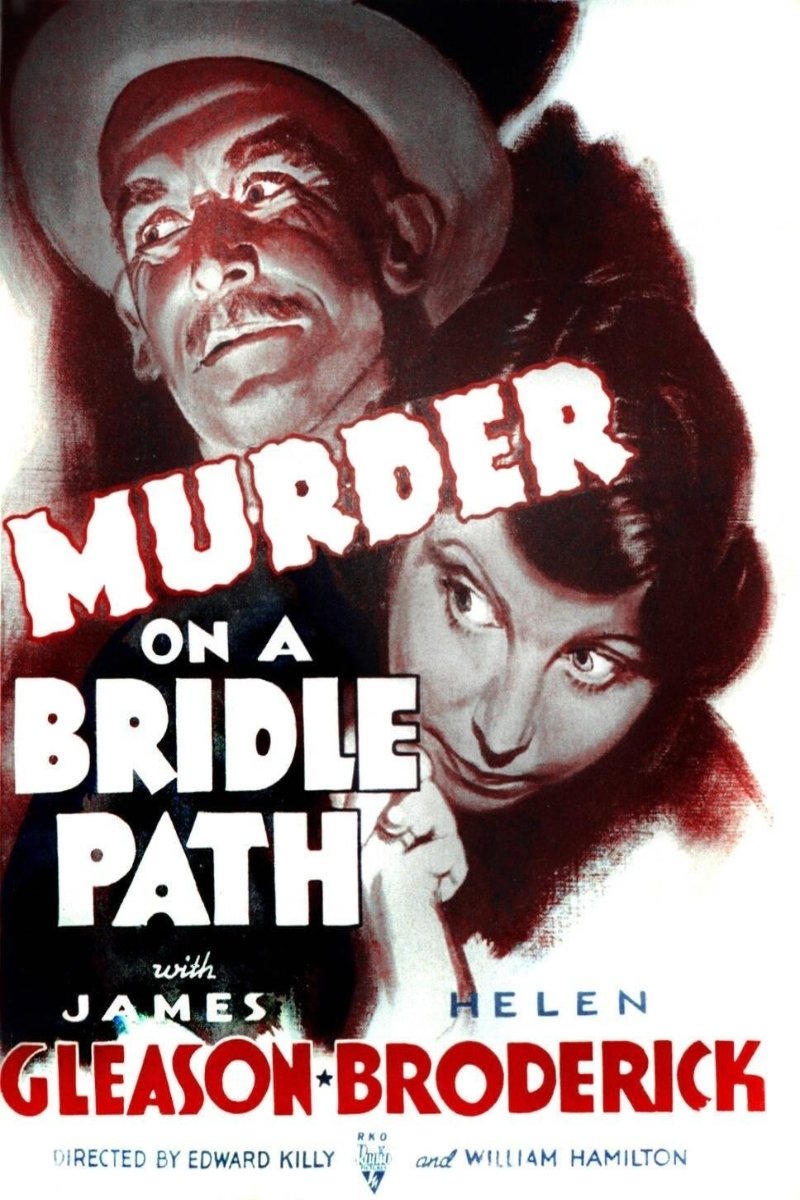
Murder on a Bridle Path (1936) — AI Story Visualization
Plot Analysis Summary
An amateur detective dismantles a seemingly accidental death by uncovering hidden motives and forensic contradictions.
Story Structure — 4 Plot Phases
Crime Scene Anomalies
Violet Feverel is discovered dead in Central Park under suspicious circumstances. Hildegarde Withers quickly identifies forensic inconsistencies that dismantle the official trampling theory.
Key Events
Body Discovery — Violet found dead after horse ride Characters: Hildegarde WithersLocation: Central Park
Official Takeover — Inspector assumes command Characters: Hildegarde WithersLocation: Central Park
Blood Evidence Found — Blood spotted on horse Characters: Hildegarde WithersLocation: Central Park
Theory Rejected — Trampling theory dismissed Characters: Hildegarde WithersLocation: Central Park
Movement Tracking — Tracing final hours Characters: Hildegarde WithersLocation: New York
Family Conflict — Sister Barbara quarrel noted Characters: Hildegarde WithersLocation: Family Circle
Suspect Web Expansion
Investigators map out Violet's recent interactions, revealing a network of grudges involving family, romantic partners, and business associates. Latigo Wells emerges as a primary suspect due to a documented altercation.
Key Events
Family Conflict — Sister Barbara quarrel noted Characters: Hildegarde WithersLocation: Family Circle
Romantic Tension — Boyfriend Eddie investigated Characters: Hildegarde WithersLocation: Social Circle
Household Dynamics — Butler Chris observed Characters: Hildegarde WithersLocation: Estate
Parallel Investigations
Hildegarde conducts independent searches while official channels pursue separate leads. The dual-track approach generates overlapping data that requires careful synthesis to avoid misdirection.
Key Events
Household Dynamics — Butler Chris observed Characters: Hildegarde WithersLocation: Estate
Data Exchange — Notes compared Characters: Hildegarde WithersLocation: Meeting Point
Motive Weaving — Grudges connected Characters: Hildegarde WithersLocation: Safe House
Logical Deduction & Resolution
Clues are cross-referenced to align personal motives with physical evidence. The investigation culminates in identifying the true perpetrator and closing the case through rigorous deduction.
Key Events
Motive Weaving — Grudges connected Characters: Hildegarde WithersLocation: Safe House
Collaborative Review — Separate data sets are cross-examined for consistency.
Climactic Resolution Path — All collected evidence converges to expose the true culprit and restore logical order to the chaotic events.
Motive Alignment — Personal vendettas are matched against physical proof.
Killer Identification — The actual perpetrator is logically isolated and confronted.
When the body of Violet Feverel is discovered on the Central Park bridle path, Inspector Oscar Piper presumes her death was accidental, until his friend, amateur detective Hildegarde Withers, locates Violet’s horse and discovers it is streaked with blood.