Story Structure — 4 Plot Phases
Foundations of Intervention
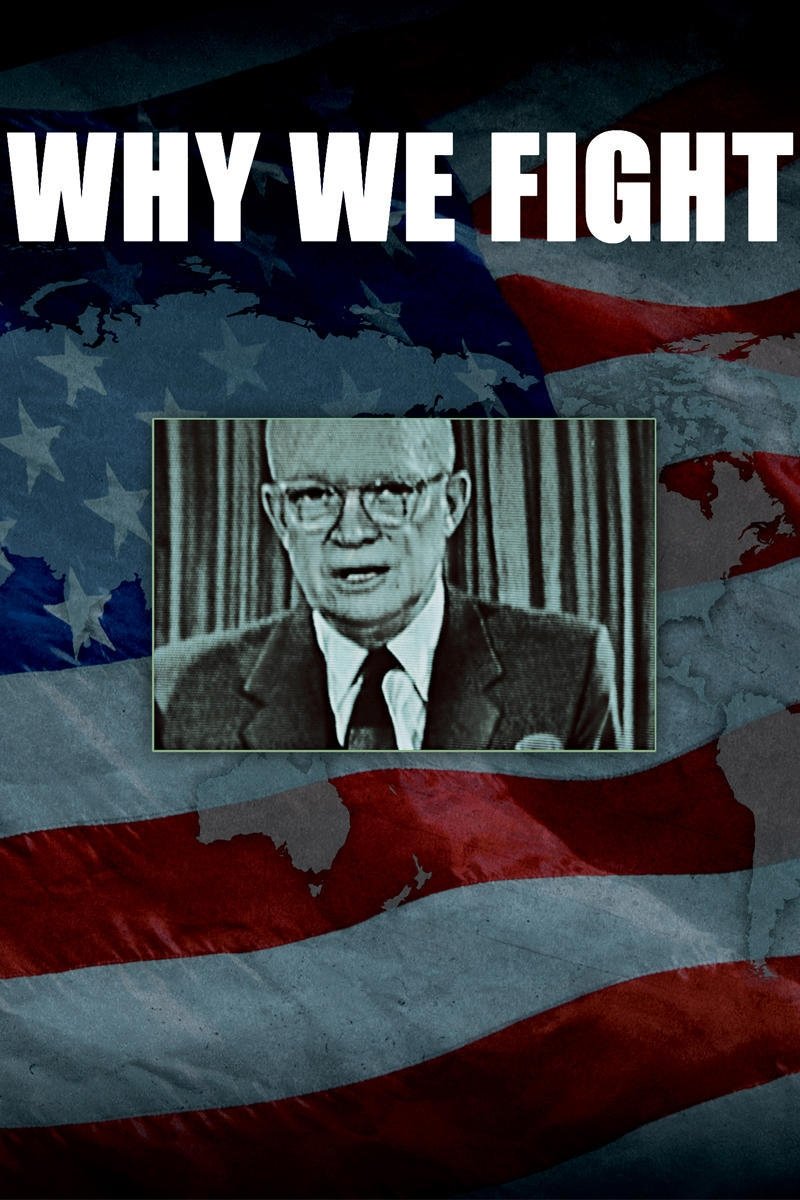
The documentary opens by establishing its core thesis regarding the US military-industrial complex and its decades-long involvement in global conflicts. Historical context is provided, leading to the September 11 attacks as a catalyst for policy shifts and personal tragedies.
Key Events
-
Documentary Opening Thesis — Establishes the core thesis about the 50-year war involvement. Location: Washington D.C.
-
Post-War Policy Foundations — Examines how policies since WWII set the stage for modern conflicts. Location: Historical Archives
-
September 11 Terrorist Attacks — The pivotal event that triggers personal stories and policy shifts. Location: New York City
-
Father's Request for Vengeance — Asks military to write his deceased son's name on Iraq bombs. Location: Military Base
-
Poverty and Debt Drive Enlistment — A 23-year-old joins the Army due to financial ruin and personal loss. Location: New York City
Voices of Analysis
A series of expert interviews dissect the political, economic, and intelligence mechanisms driving US foreign policy. Critics and advocates present contrasting viewpoints on war justification, military spending, and government transparency.
Key Events
-
Poverty and Debt Drive Enlistment — A 23-year-old joins the Army due to financial ruin and personal loss. Location: New York City
-
Vietnamese Refugee Arrival in 1975 — Documents the scientist's childhood arrival as a refugee. Location: United States
-
Former CIA Analyst Critique — Explains how intelligence agencies manipulate public perception. Location: Interview Setting
-
Writer Challenges Official Narratives — Questions the motives behind continuous US military engagements. Location: Interview Setting
-
Neoconservative Interventionist View — Advocates for maintaining American political dominance through force. Location: Interview Setting
-
Politician Defends War Policy — Justifies the 2003 invasion of Iraq as necessary for security. Location: Interview Setting
-
Policy Expert on Military Spending — Provides data on how war fuels the domestic economy. Location: Interview Setting
Human Cost and Irony
Personal narratives highlight the cyclical nature of military sacrifice, featuring a grieving father, a debt-driven enlistee, and a Vietnamese refugee turned weapons scientist. These stories humanize the abstract policy critiques.
Key Events
-
Policy Expert on Military Spending — Provides data on how war fuels the domestic economy. Location: Interview Setting
-
Senator's Stance on Military Action — Represents the political establishment supporting intervention. Location: Interview Setting
-
Economic Engine of War — Links defense contractors to continuous political and military campaigns. Location: Washington D.C.
-
Refugee Builds Weapons for US — Highlights the irony of a former refugee serving the military. Location: Military Lab
-
Generations of Military Sacrifice — Connects personal tragedies across different war eras. Location: Various Locations
-
Decades of Government Deception — Shows how each administration misled citizens to justify wars. Location: Historical Montage
Systemic Exposure
The documentary culminates in a direct confrontation between interventionist advocates and anti-war critics, exposing the economic and political machinery behind continuous warfare. It concludes with a warning about the enduring impact of the military-industrial complex.
Key Events
-
Decades of Government Deception — Shows how each administration misled citizens to justify wars. Location: Historical Montage
-
2003 Invasion of Iraq — Documents the specific conflict central to the documentary's critique. Location: Iraq
-
War Profiteering Analysis — Details how military spending benefits specific economic sectors. Location: Financial District
-
Critics vs. Interventionists — Contrasts anti-war perspectives with neoconservative advocacy. Location: Debate Setting
-
Human Toll of Foreign Policy — Synthesizes individual stories to underscore the human cost. Location: Montage
-
Military-Industrial Complex Exposed — Concludes that the system prioritizes dominance over public welfare. Location: Narration
-
Final Warning on War Economy — Ends with a call to recognize the cyclical nature of war and profit. Location: Closing Credits
Is American foreign policy dominated by the idea of military supremacy? Has the military become too important in American life? Jarecki's shrewd and intelligent polemic would seem to give an affirmative answer to each of these questions.