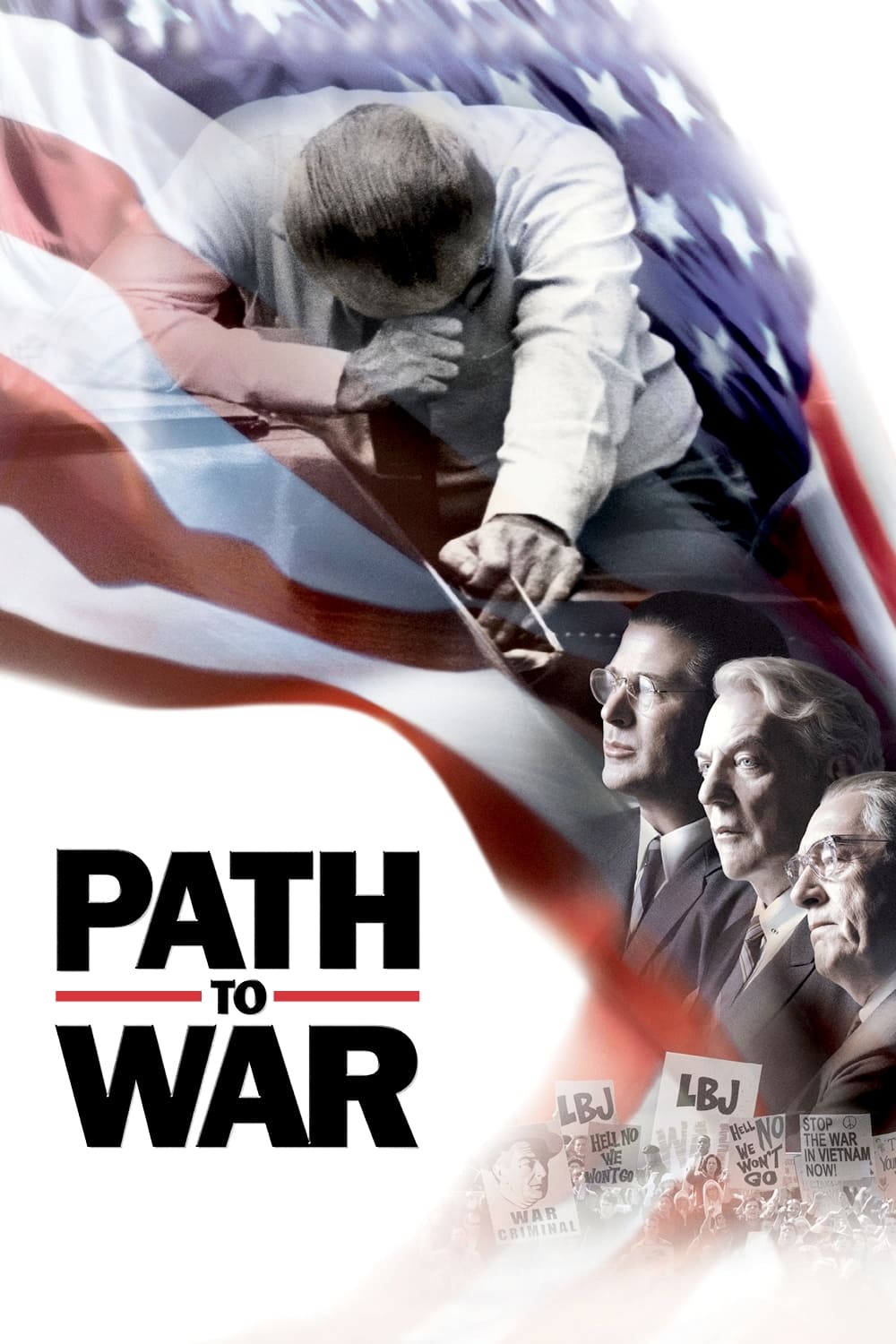
Plot Analysis Summary
The film traces how repeated escalation, strategic doubt, human cost, and political pressure lead to a decision to restrict bombing and reject reelection.
Story Structure — 5 Plot Phases
Domestic Promise, Foreign Crisis
The administration begins with the Great Society as its central priority. Rising attacks in South Vietnam force war policy into the cabinet's agenda.
Key Events
-
Inaugural Ball Opening — The story opens in January 1965 as the administration focuses on domestic reform.
Location: Inaugural Ball
-
Great Society Agenda — Domestic priorities include civil rights, poverty relief, and education.
Location: Washington
-
First Troop Request — George Ball warns that combat troops will provoke further escalation. Characters: George Ball
Location: Cabinet meeting room
-
Combat Deployment Approved — The administration approves sending combat troops to South Vietnam. Characters: George Ball
Location: Cabinet meeting room
The Escalation Argument
George Ball and Clark Clifford warn that escalation could create an unmanageable guerrilla war. Robert McNamara remains confident that pressure will produce negotiations.
Key Events
-
Clifford Joins Deliberations — Clark Clifford joins the discussion as an experienced former Kennedy advisor. Characters: Clark Clifford, George Ball, Robert McNamara
Location: Policy meeting room
-
Ten To One Warning — Clifford warns that guerrilla warfare could require one million American troops. Characters: Clark Clifford, George Ball, Robert McNamara
Location: Policy meeting room
-
Negotiation Confidence — McNamara argues that increased pressure will force North Vietnamese negotiations. Characters: Robert McNamara
Location: Defense policy meeting
-
Westmoreland Escalation Plan — Westmoreland submits a major troop increase and proposes bombing North Vietnam. Characters: Clark Clifford, Robert McNamara, William Westmoreland
Location: War strategy meeting
Bombing Without Leverage
Troop increases and bombing begin despite doubts about their strategic value. McNamara's confidence weakens after witnessing protest and learning that the bombing has limited impact.
Key Events
-
Withdrawal Debate — Clifford says withdrawal would not necessarily damage the administration's political position. Characters: Clark Clifford, Robert McNamara
Location: Policy meeting room
-
Bombing Begins — The administration approves escalation and begins bombing North Vietnam. Characters: Robert McNamara, William Westmoreland
Location: North Vietnam
-
Morrison Protest Witnessed — McNamara watches Norman Morrison burn himself in an anti-war protest. Characters: Robert McNamara
Location: United States
-
Budget Cost Revealed — McNamara tells the administration that the war's cost can no longer be hidden. Characters: Robert McNamara
Location: Washington
-
Bombing Impact Briefing — The briefing reports that bombing has had little lasting effect on North Vietnam. Characters: Robert McNamara, William Westmoreland
Location: CIA briefing room
-
Target Expansion Ordered — Despite concerns about civilian casualties, the bombing campaign is expanded. Characters: Clark Clifford, Robert McNamara, William Westmoreland
Location: Policy meeting room
The Cost Of Persistence
Casualties rise while military leaders continue requesting broader bombing. The administration remains unable to achieve the promised decisive result.
Key Events
-
Casualty Letters Signed — The rising American death toll is represented through individually signed consolation letters.
Location: Executive office
-
Further Expansion Requested — Westmoreland asks for continued expansion because population centers remain restricted targets. Characters: William Westmoreland
Location: War strategy meeting
-
Tet Offensive Shock — The Tet Offensive attacks the American Embassy and major South Vietnamese cities. Characters: Robert McNamara, William Westmoreland
Location: South Vietnamese cities
Tet And Political Rupture
The Tet Offensive demonstrates that the war is far from over despite battlefield claims of victory. McNamara leaves, Clifford takes over Defense, and the administration confronts the political cost.
Key Events
-
Military Victory Contradiction — Although the attacks are defeated, their scale contradicts predictions that victory is near. Characters: Robert McNamara, William Westmoreland
Location: Washington
-
McNamara Testifies — McNamara testifies that bombing expansion will reach very small targets and implies opposition. Characters: Robert McNamara
Location: Congress
-
Defense Secretary Transfer — McNamara learns from newspapers that he will leave Defense, and Clifford becomes Secretary of Defense. Characters: Clark Clifford, Robert McNamara
Location: Washington
-
Clifford Warns Reelection Cost — Clifford warns that continuing the war will prevent reelection. Characters: Clark Clifford
Location: Executive office
-
Bombing Restriction Speech — The final speech restricts bombing, proposes negotiations, and rejects the 1968 nomination.
Location: Television broadcast