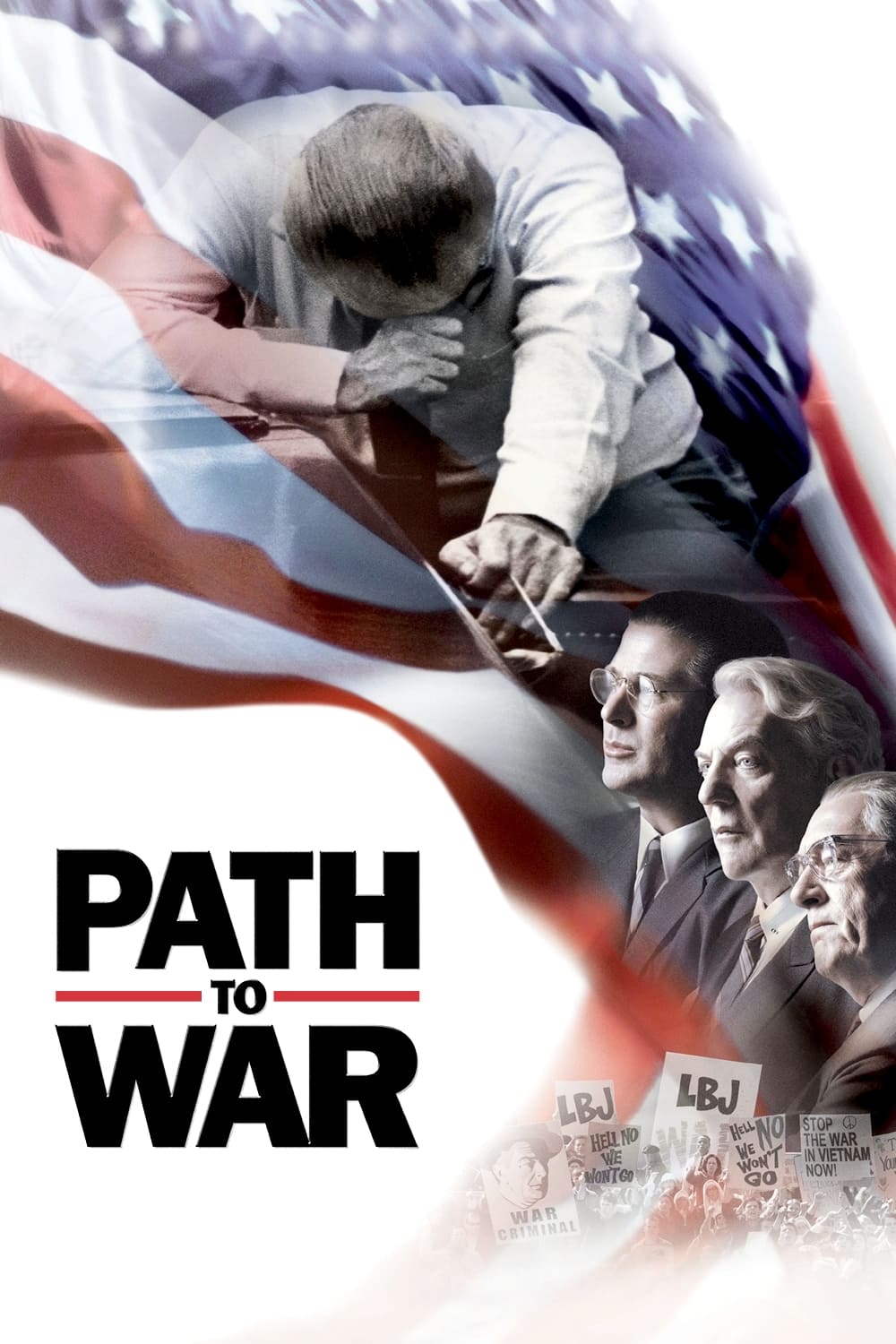
Path to War (2003) character relationship network mapped with AI analysis. Explore the connections, alliances, and conflicts between characters.
Former Kennedy advisor who joins Johnson's cabinet. Initially skeptical of escalation, he warns that guerilla warfare requires overwhelming force and advises against withdrawing prematurely. Later app...
Secretary of Defense who initially believes bombing and troop increases will force North Vietnamese negotiations. His confidence erodes after witnessing anti-war protests and receiving CIA briefings s...
Cabinet member who voices dissent during early war strategy meetings. He warns President Johnson that sending combat troops will only provoke further North Vietnamese escalation rather than secure Sou...
Alliances, conflicts, and narrative interactions that evolve throughout the story.
George Ball warns against escalation, while Robert McNamara expresses confidence that additional pressure will produce negotiations.
George Ball warns that sending combat troops will provoke further escalation, while William Westmoreland submits a plan for a major troop increase and...
William Westmoreland repeatedly claims that victory is close with more troops, while Robert McNamara later becomes doubtful after seeing the limited i...
Clark Clifford argues against the troop increase and bombing plan submitted by the military leadership, while William Westmoreland supports that plan.
Clark Clifford argues against escalation, while Robert McNamara argues that additional troops and bombing will force negotiations.
At a meeting about escalation, Clark Clifford supports George Ball's warning that a guerrilla war would require an enormous American commitment.
The film traces how repeated escalation, strategic doubt, human cost, and political pressure lead to a decision to restrict bombing and reject reelection.
Directed by John Frankenheimer
Path to War (2003) · 6.7/10 · drama, history, tv-movie, war
Plot analysis generated from content on Wikipedia, licensed under CC BY-SA 4.0.
Related entry on Wikidata (Q1776624), public domain (CC0).