Story Structure — 4 Plot Phases
Shadows of Colonial Imprisonment
The film opens in a colonial Algerian prison shortly after World War II. Indigenous inmates endure harsh conditions while reflecting on systemic oppression. The narrative establishes the heavy weight of colonial rule and the simmering tension among prisoners.
Key Events
-
Colonial Prison Incarceration — Indigenous inmates serve time under colonial rule.
Location: Algerian Prison
-
Post-War Setting Establishment — World war ends, colonial tensions rise.
Location: Prison Yard
-
Three Indigenous Cellmates Meet — Three prisoners form an initial bond.
Location: Cell Block
-
Shared Colonial Oppression — They discuss the weight of colonial rule.
Location: Prison Cell
-
Mutual Trust Formation — Deep trust solidifies among the trio.
Location: Prison Cell
Brotherhood in Chains
Three indigenous cellmates gradually form a deep bond through shared suffering and dialogue. Their mutual trust solidifies as they discuss the historical and sociological realities of colonial life. This period marks the transition from isolated incarceration to unified resistance.
Key Events
-
Mutual Trust Formation — Deep trust solidifies among the trio.
Location: Prison Cell
-
Release from Prison — The trio gains freedom after serving time.
Location: Prison Gates
-
Reintegration into Society — They navigate post-war colonial life.
Location: Algerian Streets
-
Identification of Targets — They pinpoint colonial authority figures.
Location: Safehouse
-
Boss as Primary Target — The local boss becomes the main objective.
Location: Colonial Outpost
-
Gendarme as Secondary Target — The gendarme represents military oppression.
Location: Police Station
Armed Liberation Campaign
Upon release, the trio immediately targets the colonial authority triad: the boss, the gendarme, and the administrator. They plan and execute coordinated assaults, escalating the conflict into open armed confrontation. The campaign disrupts colonial control and sparks wider unrest.
Key Events
-
Gendarme as Secondary Target — The gendarme represents military oppression.
Location: Police Station
-
Administrator as Tertiary Target — The administrator symbolizes bureaucratic control.
Location: Administrative Office
-
Planning the Assault — Strategic meetings prepare for the attack.
Location: Safehouse
-
Armed Preparation — Weapons are gathered and distributed.
Location: Hidden Cache
-
Attack on Colonial Boss — The trio launches a direct assault.
Location: Boss Estate
-
Confrontation with Gendarme — Clashes erupt with colonial police.
Location: Street Intersection
Unrest and Historical Reckoning
The attacks trigger broader skirmishes and societal unrest across the region. Characters reflect on a century of waiting, holding back, and pushing forward against colonial structures. The narrative concludes with a defiant stance, emphasizing hope and ongoing struggle.
Key Events
-
Confrontation with Gendarme — Clashes erupt with colonial police.
Location: Street Intersection
-
Strike Against Administrator — The administrative center is targeted.
Location: Government Building
-
Authority Under Siege — Colonial power structure faces collapse.
Location: Colonial District
-
Historical Waiting Reflection — Characters reflect on a century of waiting.
Location: Ruins
-
Skirmishes and Unrest — Broader unrest spreads across the region.
Location: Algerian Countryside
-
Final Resistance and Hope — The trio stands firm amidst ongoing struggle.
Location: Open Field
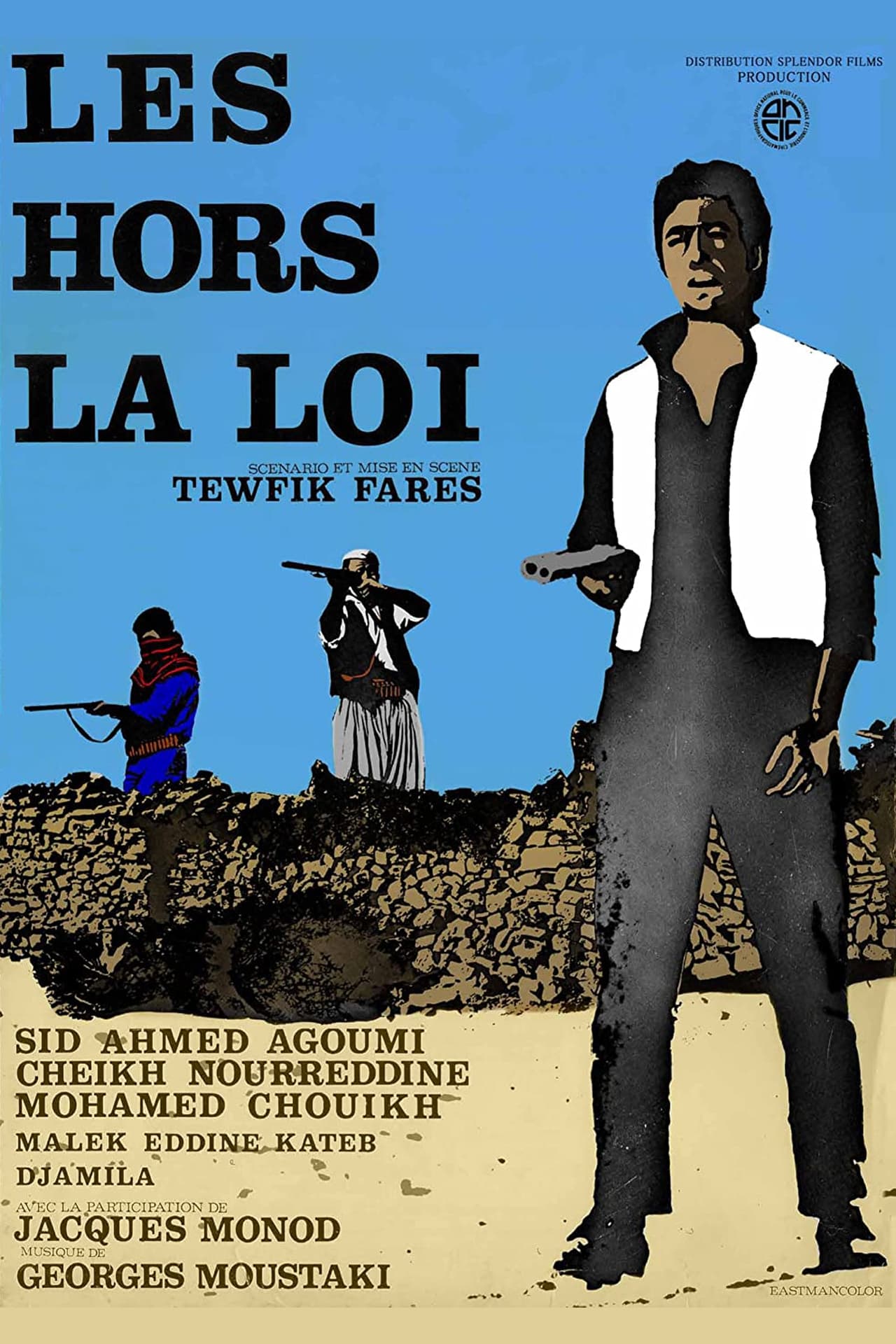
In prison in colonial Algeria, shortly after the end of the Second World War, three indigenous cellmates make out. Once free, they attack the authority represented by the triad of the boss, the gendarme and the administrator. “Living the colonial condition,” confided Tewfik Farès, “is something! It’s not sociologically or historically speaking. It’s life. And I think that’s all there in it. [...] For a hundred and thirty years, we wait. We hold back. We push back. We hope. At the same time, on different occasions, there are skirmishes, unrest.