Story Structure — 4 Plot Phases
Documentary Premise
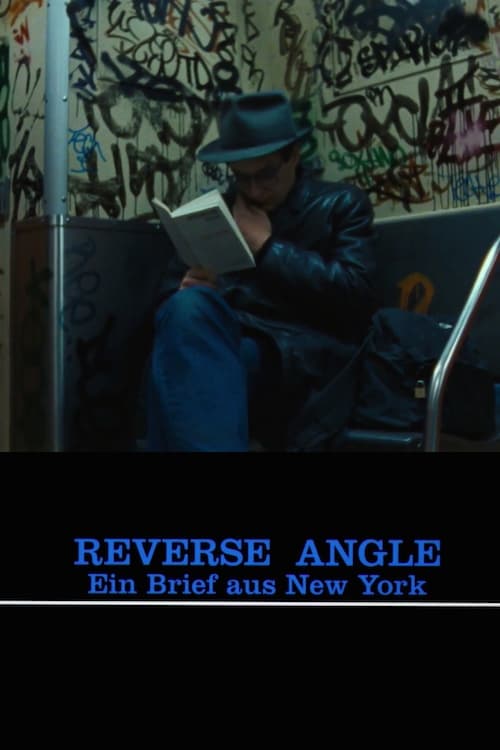
Wim Wenders sets the stage for his atmospheric testimony, introducing the context of the 1982 Hammett production in New York.
Key Events
-
Documentary Premise — Wim Wenders introduces the documentary's focus on his filmmaking journey
Location: Studio Office
-
Hammett Production Context — Background setup for the 1982 film project
Location: New York Set
-
Coppola Collaboration — Wenders discusses working alongside Francis Ford Coppola
Location: Production Meeting
-
New York Setting — The geographical backdrop for the March 1982 production
Location: New York City
-
Director Testimony Format — The atmospheric documentary style frames the entire narrative
Location: Camera Setup
Collaboration and Conflict
The narrative shifts to Wenders' working relationship with Francis Ford Coppola, detailing the initial creative vision and the subsequent production problems.
Key Events
-
Coppola Collaboration — Wenders discusses working alongside Francis Ford Coppola
Location: Production Meeting
-
Initial Creative Vision — Establishing the original artistic goals for the film
Location: Script Room
-
Emerging Production Problems — Wenders details the specific challenges encountered during shooting
Location: Film Set
-
Hammett Film Legacy — The 1982 movie serves as the central subject of analysis
Location: Film Reel
-
March 1982 Timeline — The specific timeframe anchoring the documentary's events
Location: March 1982
Cultural Production Divide
A detailed comparison emerges between European and American filmmaking processes, highlighting the systemic differences and industry clashes.
Key Events
-
European Methodology — Explaining the traditional European approach to filmmaking
Location: European Studio
-
American Industry Practices — Contrasting with the commercial and structural norms of US cinema
Location: American Studio
-
Cultural Clash Analysis — Deep dive into the friction between differing production cultures
Location: Interview Space
-
Hammett Film Legacy — The 1982 movie serves as the central subject of analysis
Location: Film Reel
-
Industry Differences Highlight — Explicit comparison of European versus American workflows
Location: Production Office
-
Cross Cultural Dialogue — Wenders articulates the core thematic contrast of the film
Location: Conference Room
Reflection and Resolution
Wenders concludes his testimony by reflecting on the compromises made, the atmospheric visuals captured, and the broader implications for his career.
Key Events
-
Cultural Clash Analysis — Deep dive into the friction between differing production cultures
Location: Interview Space
-
Compromise and Adaptation — Wenders reflects on necessary adjustments made during production
Location: Editing Room
-
Atmospheric Cinematography — Highlighting the visual tone captured during the March 1982 shoot
Location: New York Streets
-
Final Reflections — Wenders concludes his testimony on the filmmaking process
Location: Quiet Room
-
Documentary Release — The completed atmospheric testimony reaches the audience
Location: Cinema Screen
-
Creative Resolution — Wenders summarizes the outcome of the collaborative process
Location: Final Cut
-
Atmospheric Visual Style — The documentary emphasizes the visual atmosphere of the production
Location: Film Stock