The Deerslayer (1943) — AI Story Visualization

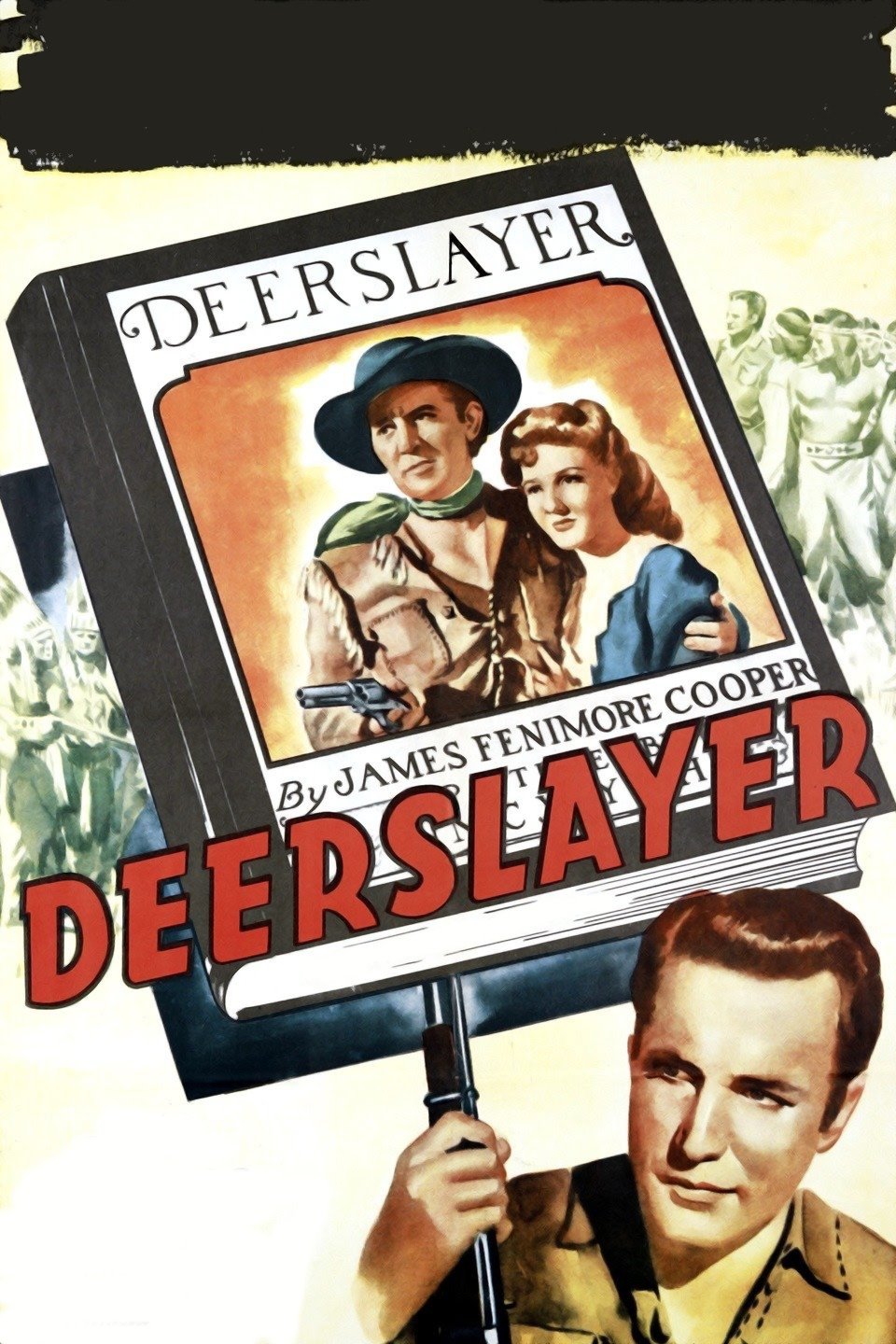
The Deerslayer (1943) Poster

Plot Analysis Summary

A 1943 American Western adaptation of James Fenimore Cooper's novel, directed by Lew Landers and shot in black and white.

Story Structure — 4 Plot Phases

Adaptation Foundation

The narrative originates from James Fenimore Cooper's classic 1841 novel. The screenplay is adapted by P. S. Harrison for cinematic translation.

Key Events

Production Execution

Filming commences in the United States with a focus on authentic Western aesthetics. Cinematographer Arthur Martinelli establishes the black and white visual tone.

Key Events

Cinematic Realization

Director Lew Landers guides the protagonist through key narrative beats. The production balances historical fidelity with mid-century filmmaking techniques.

Key Events

Historical Release

The completed film premieres in 1943, entering the cultural landscape of the era. It stands alongside other notable releases of the year.

Key Events

Story Breakdown

Deerslayer, a white man who was brought up by the Mohicans, helps his old tribe when the Hurons steal Princess Wah Tah, the betrothed of his friend Jingo-Good. His friends, the Hutters, are a white family living on an ark in the middle of a lake. The Hurons attack them and Deerslayer enlists the aid of scout Harry March, who is escorting sixty-five brides to the near-by settlement. Deerslayer and Harry are both in love with Judith Hutter, who is secretly in love with Harry. The Hurons succeed in capturing her father and Harry, where-upon Judith's sister Hetty, playing on an Indian superstition never to harm an insane person, feigns madness and makes an escape. Hutter, Judith, Hetty and Princess Wah-Tah return to the ark, where they ate attacked by the waiting Hurons and Hetty is killed. Deerslayer, Harry and the settlement men arrive to time to drive the Hurons away.

Directed by

Lew Landers

Key Cast

Rating: 7/10 (3 votes)

Content sources

Plot analysis generated from content on Wikipedia, licensed under CC BY-SA 4.0.

Related entry on Wikidata (Q18914937), public domain (CC0).