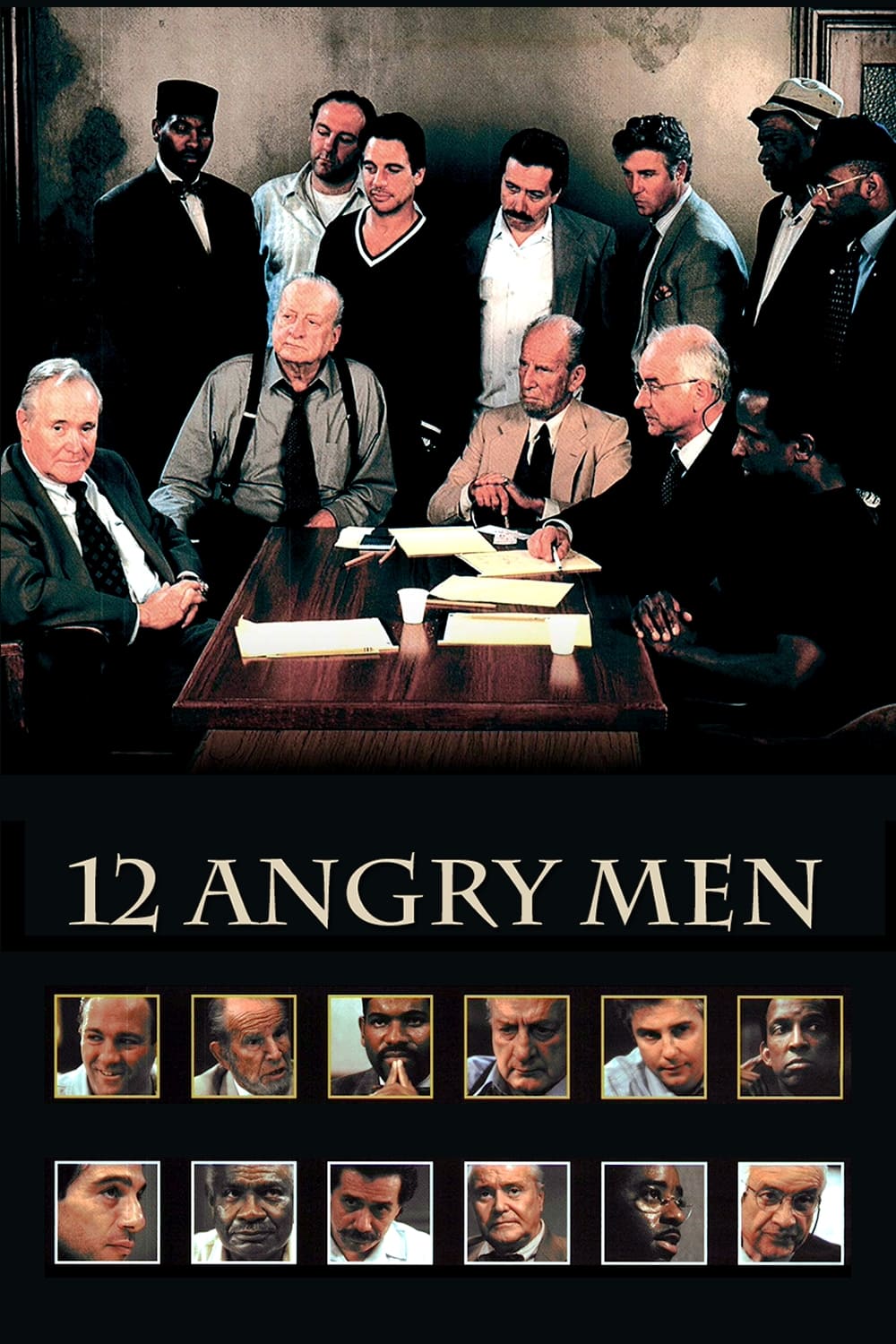
Plot Analysis Summary
A jury moves from automatic conviction toward reasonable doubt by confronting unreliable evidence, prejudice, and personal projection.
Story Structure — 5 Plot Phases
The Lone Dissent
The jury receives its instructions and enters the jury room. Juror 8 alone resists an immediate guilty verdict and introduces the need for careful deliberation.
Key Events
-
Jury Receives Instructions — The judge explains that the jury must reach a unanimous verdict. Characters: Judge, Juror 8, Juror 3, Juror 4, Juror 11
Location: Courtroom
-
Jury Enters Deliberation — The twelve jurors retire to the jury room to deliberate. Characters: Juror 8, Juror 3, Juror 4, Juror 5, Juror 7, Juror 9, Juror 10
Location: Jury room
-
Eleven Vote Guilty — The first vote produces eleven guilty votes and one dissent from Juror 8. Characters: Juror 8, Juror 3, Juror 4, Juror 5, Juror 7, Juror 9, Juror 10
Location: Jury room
-
Juror 8 Demands Deliberation — Juror 8 argues that circumstantial evidence requires a fair and careful discussion. Characters: Juror 8, Juror 3, Juror 4, Juror 9, Juror 10
Location: Jury room
-
The Matching Knife — Juror 8 produces an identical knife, challenging testimony that the murder weapon was unusual. Characters: Juror 8, Juror 3, Juror 4, Juror 9, Juror 10
Location: Jury room
Evidence Under Pressure
Juror 8 questions the knife, the hearing testimony, and the alleged flight. Jurors gradually change their votes as the prosecution's evidence becomes less certain.
Key Events
-
Secret Ballot Challenge — Juror 8 proposes a secret vote, and Juror 9 alone changes to not guilty. Characters: Juror 8, Juror 9, Juror 3, Juror 4, Juror 7, Juror 10
Location: Jury room
-
Witness Hearing Questioned — The jurors examine whether the witness could actually have heard the murder. Characters: Juror 8, Juror 5, Juror 9, Juror 3, Juror 4
Location: Jury room
-
Juror 5 Changes Vote — Juror 5 uses his slum upbringing to question the testimony and votes not guilty. Characters: Juror 5, Juror 8, Juror 9, Juror 4, Juror 10
Location: Jury room
-
Return For The Knife — Juror 11 questions why the accused would flee and later return to retrieve the knife. Characters: Juror 11, Juror 8, Juror 3, Juror 4, Juror 7
Location: Jury room
-
Flight Evidence Challenged — Juror 8 demonstrates that the witness may not have seen the accused flee. Characters: Juror 8, Juror 9, Juror 11, Juror 3, Juror 4, Juror 10
Location: Jury room
Reason Against Prejudice
The jury examines the psychiatric test and confronts Juror 7's impatience. Juror 10's bigoted speech exposes the danger of deciding the case through prejudice.
Key Events
-
Votes Reach Six Six — Multiple jurors change votes, bringing the visible split to six guilty and six not guilty. Characters: Juror 8, Juror 9, Juror 11, Juror 5, Juror 3, Juror 4, Juror 10
Location: Jury room
-
Psychiatric Test Reframed — Juror 11 explains that the test suggests possibilities rather than proving a specific action. Characters: Juror 11, Juror 8, Juror 3, Juror 4, Juror 10
Location: Jury room
-
Baseball Game Pressure — Juror 7 changes his vote casually because he wants to attend a baseball game. Characters: Juror 7, Juror 11, Juror 8, Juror 3, Juror 4
Location: Jury room
-
Juror 7 Admits Doubt — After Juror 11's reprimand, Juror 7 states that he doubts the accused is guilty. Characters: Juror 7, Juror 11, Juror 8, Juror 10
Location: Jury room
-
Prejudice Splits The Jury — Juror 10 delivers a bigoted speech, and Juror 4 orders him to remain silent. Characters: Juror 10, Juror 4, Juror 8, Juror 9, Juror 11, Juror 5
Location: Jury room
The Witness's Glasses
Juror 4 continues to trust the eyewitness, but Juror 9 recognizes signs that she wore glasses. This observation destroys the last substantial support for conviction.
Key Events
-
Eyewitness Remains Defended — Juror 4 defends the female eyewitness, and Juror 12 briefly changes his vote back to guilty. Characters: Juror 4, Juror 9, Juror 12, Juror 3, Juror 8
Location: Jury room
-
Glasses Reveal The Doubt — Juror 9 infers that the eyewitness likely wore glasses and may not have seen the murder clearly. Characters: Juror 9, Juror 4, Juror 12, Juror 8, Juror 3
Location: Jury room
-
Final Holdouts Collapse — Jurors 12 and 4 vote not guilty, and Juror 10 gives up his remaining concern about the verdict. Characters: Juror 10, Juror 3, Juror 4, Juror 8, Juror 9, Juror 12
Location: Jury room
Letting The Boy Live
Juror 3's conviction is revealed as an expression of his conflict with his own son. He finally changes his vote, and the jury reaches a unanimous acquittal.
Key Events
-
Juror 3 Breaks Down — Juror 3's grief over his son overwhelms his argument, and Jurors 8 and 4 help him release it. Characters: Juror 3, Juror 8, Juror 4, Juror 9, Juror 10
Location: Jury room
-
Unanimous Acquittal — The final vote is unanimous for acquittal, and Juror 8 helps Juror 3 before exchanging names with Juror 9. Characters: Juror 8, Juror 9, Juror 3, Juror 4, Juror 10, Juror 11, Juror 12
Location: Courtroom and courthouse exit