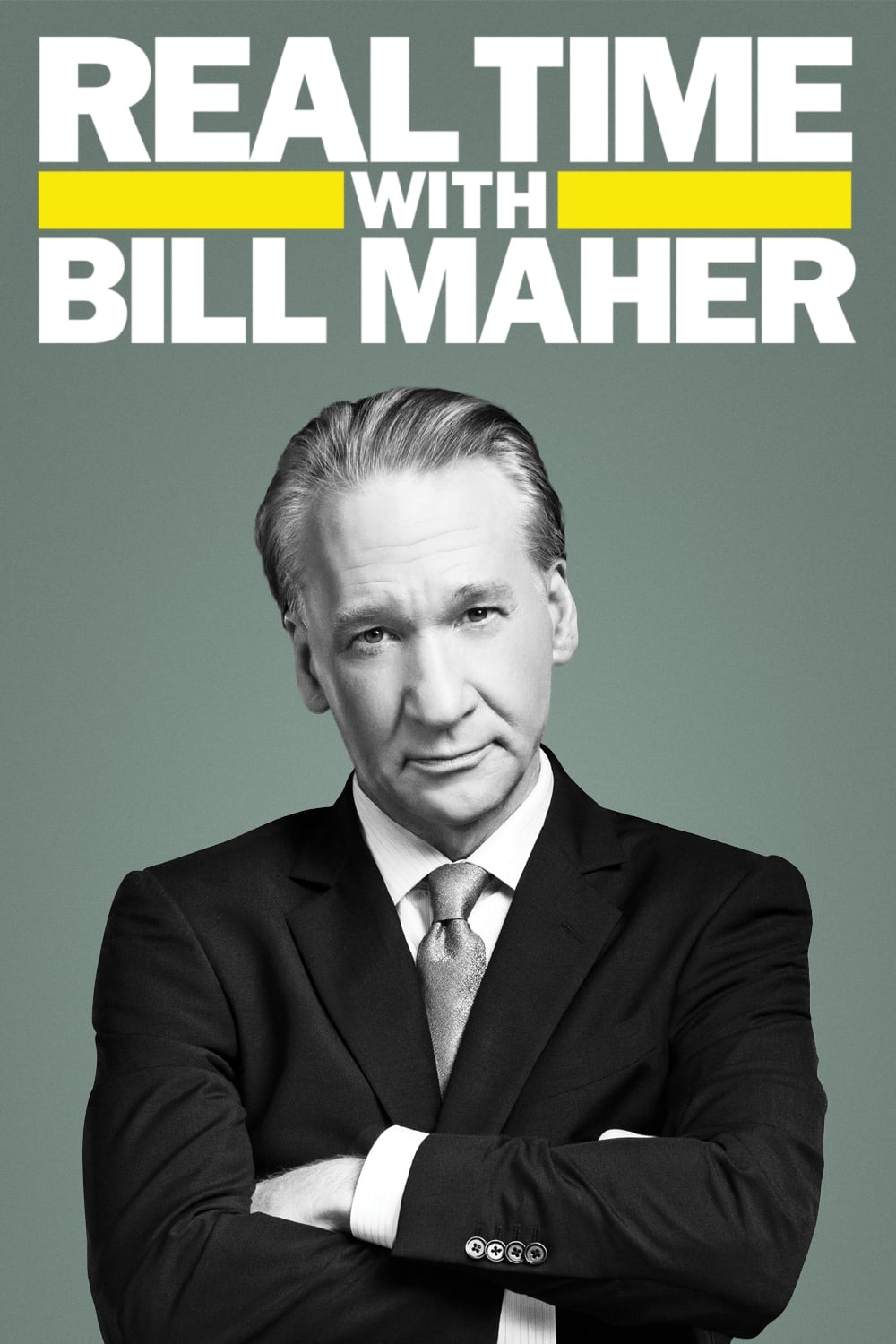
Real Time with Bill Maher (2003) interactive character relationship network and AI-powered story timeline. Explore the connections, alliances, and conflicts between characters across the narrative arc.
The supplied season summaries describe a recurring current-affairs talk-show format rather than a single fictional plot. Across the listed years, interviews and panels address elections, war, economics, public policy, media, and culture.
"Across the supplied episode listings, the host conducts interviews and moderates panels featuring recurring guests. The whitelist identifies those gu...
Rating: 6/10 (252 votes)
The first season's listed episodes address the coming Iraq war, veterans' rights, and the California recall. The format is presented through interviews and discussions of current events.
The season follows Democratic presidential candidates, election debates, and the 2004 presidential election. Its listed topics also include Iraq, terrorism, and religion in politics.
The season's topics include Iraq, Darfur, Katrina, poverty, and government response. The listings combine foreign policy with domestic political debate.
The season addresses Iraq, terrorism, immigration, and the 2006 elections. Its episode descriptions also include Katrina and debates over government and media.
Listed topics return to Iraq, government controversies, and the 2008 campaign. The season also includes discussion of energy and climate issues.
The season follows primaries, conventions, debates, and election results. The financial crisis and economic policy appear alongside the campaign coverage.
The listings cover the economic crisis, health care reform, and political conflict during the early Obama administration. They also include discussion of torture and the role of political parties.
The season's topics include health care, the Tea Party movement, and the 2010 midterms. Political disputes are paired with discussions of the economy and public policy.
The listed topics include Occupy Wall Street, class conflict, jobs, and the economy. The season also covers the 2012 presidential field and national security.
The season follows Republican primaries and the 2012 election, including campaign finance and candidate debates. Its listings also address inequality and public policy.
The season includes discussion of surveillance, privacy, and current political disputes. Its episode listings continue the show's interview and panel structure.
The listed episodes address a range of public-policy topics, including environmental issues, inequality, and government. The season continues the recurring interview and panel format.
The season's listings include political candidates, public officials, journalists, and cultural guests. Topics span elections, media, and government policy.
The season includes special editions focused on the 2016 Republican and Democratic conventions. The listed episodes also feature election discussion and interviews.
The season opens on inauguration day and continues with panels and interviews about politics and public affairs. The episode listings show a range of political and cultural guests.
The season's listings include technology, politics, and public-policy discussions. Interviews and panel conversations remain the organizing format.
The season includes presidential candidates, elected officials, journalists, and commentators. Its episode descriptions continue the series' topical interview and panel approach.
The listings describe backyard hosting and remote interviews during the coronavirus pandemic, followed by a return to studio programming. The season retains interviews and panel discussions.
The season continues the established interview and panel format with political, media, and public-affairs guests. The supplied episode descriptions span a range of current issues.
The season begins with an interview about the repercussions of the Big Lie and the January 6 insurrection. Later listings continue with interviews and panels on public policy and politics.
The supplied episodes feature interviews and panels with candidates, elected officials, and commentators. The season continues the series' current-affairs structure.
The listed episodes include political figures and commentators during the 2024 election period. Interviews and panels remain the consistent format.
The supplied listings continue interviews and panels involving political, cultural, and media guests. The material supports a continuing topical format rather than a single serialized plot.
The supplied 2026 episode descriptions continue the interview and panel structure across public affairs, politics, and culture. The provided season context is partial.
Plot analysis generated from content on Wikipedia, licensed under CC BY-SA 4.0.
Related entry on Wikidata (Q2030903), public domain (CC0).