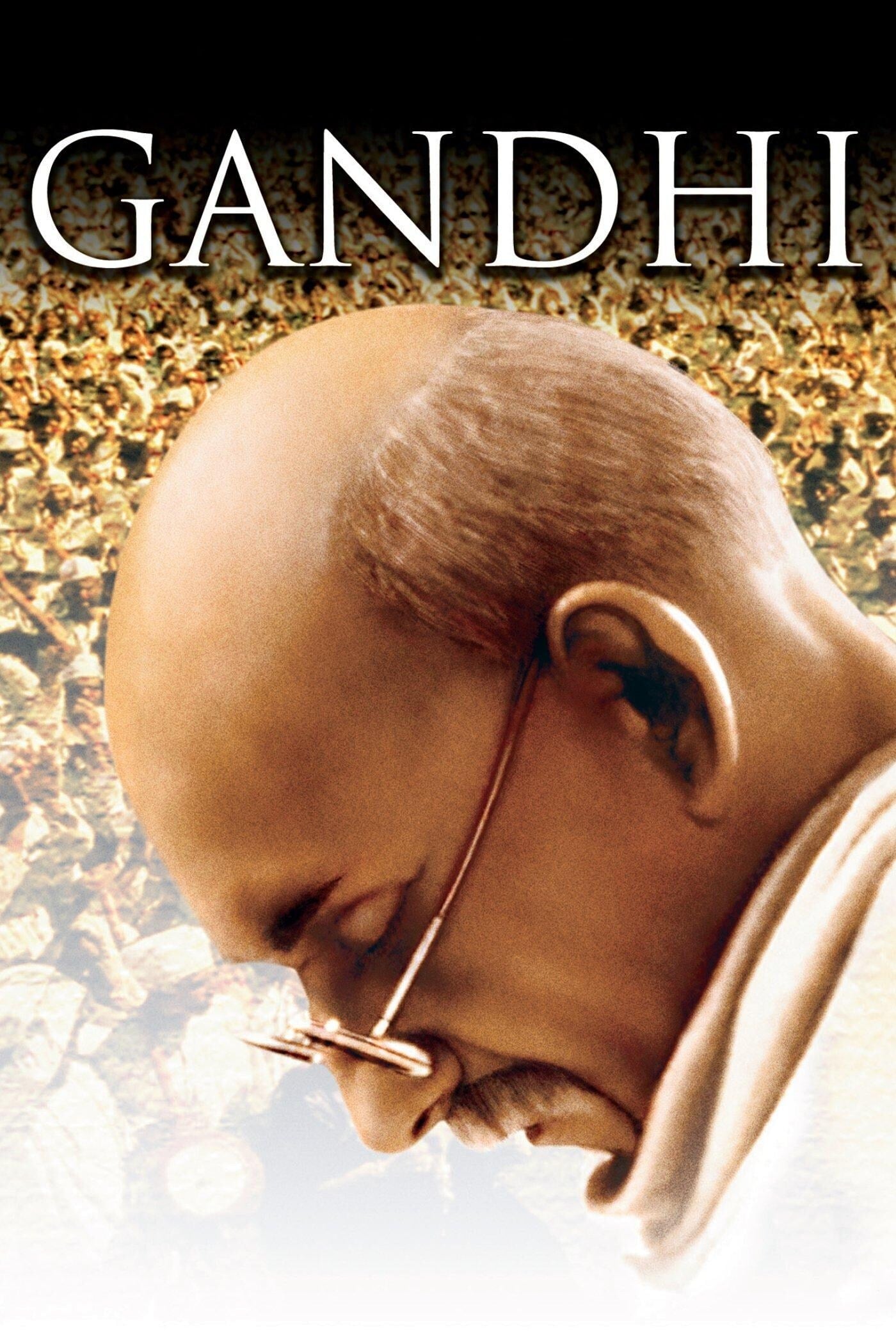
Plot Analysis Summary
The narrative follows a lifelong campaign for equality and self-rule, tested by repression, political division, communal violence, and sacrifice.
Story Structure — 5 Plot Phases
A Ticket And A Cause
A humiliating railway expulsion transforms a young lawyer's experience into a campaign against racial discrimination. Public demonstrations, arrests, and limited concessions establish nonviolent resistance as his method.
Key Events
-
Train Carriage Expulsion — A young lawyer is expelled from a whites-only carriage despite holding a valid ticket.
Location: Pietermaritzburg railway station
-
Pass Burning Demonstration — A public demonstration rejects discriminatory identification requirements through symbolic pass burning.
Location: Colony of Natal
-
Fingerprint Resistance — Peaceful protests oppose a colonial demand that Indians be fingerprinted like criminals.
Location: Colony of Natal
-
First Imprisonment — The protest leader is arrested, then released after the government grants limited rights.
Location: South Africa
-
Journalist Takes Interest — An American journalist takes special interest in the nonviolent campaign. Characters: Vince Walker
Location: South Africa
-
Ashram Community Forms — The movement develops an ashram community where Mirabehn later works alongside associates. Characters: Mirabehn
Location: Ashram
Return To India
After building an ashram-centered movement in South Africa, the protagonist returns to India and enters Congress politics. His speech and demands for self-rule broaden the campaign beyond racial equality.
Key Events
-
Ashram Community Forms — The movement develops an ashram community where Mirabehn later works alongside associates. Characters: Mirabehn
Location: Ashram
-
Congress Invitation — The returning activist is invited into a Congress environment led by prominent Indian figures. Characters: Gopal Krishna Gokhale, Maulana Azad
Location: India
-
Congress Speech — A Congress speech captivates the assembled leadership and strengthens the independence campaign. Characters: Gopal Krishna Gokhale, Maulana Azad
Location: Indian National Congress meeting
-
Self Rule Demand — Support for the British war effort is paired with an escalating demand for self-rule.
Location: India
-
Champaran And Kheda — Two satyagraha campaigns face harsh suppression by the colonial administration.
Location: Champaran and Kheda
Massacre And Restraint
Colonial violence culminates in the Jallianwala Bagh massacre, pushing the movement toward non-cooperation. When protesters commit violence at Chauri Chaura, the campaign is withdrawn despite widespread anger.
Key Events
-
Jallianwala Bagh Massacre — Soldiers fire on a crowd gathered to hear speeches about freedom.
Location: Jallianwala Bagh
-
Non Cooperation Begins — The movement adopts non-cooperation, producing immediate pressure against British rule.
Location: India
-
Chauri Chaura Violence — Protesters kill and burn police officers, turning the movement toward uncontrolled violence.
Location: Chauri Chaura
-
Movement Called Off — The non-cooperation campaign is withdrawn, and fasting is used to calm public anger.
Location: India
Salt And Separation
The Salt March brings another arrest, while negotiations in London fail to secure a political settlement. Wartime imprisonment and personal bereavement accompany the widening conflict over India's future.
Key Events
-
Salt March Arrest — A march against the British salt monopoly leads to imprisonment.
Location: India
-
Fruitless London Conference — A London conference on future Dominion status produces no meaningful settlement.
Location: London
-
Ashram Loss — During wartime house arrest, the protagonist's wife dies while Mirabehn is associated with the wider ashram circle. Characters: Mirabehn
Location: House arrest residence
-
Partition Proposal — A proposal to preserve unity fails as competing demands for separate national independence intensify. Characters: Maulana Azad
Location: India
Freedom And Mourning
Independence is followed by partition, mass migration, and communal violence. Fasting briefly restores calm, but assassination is followed by a national funeral and the scattering of ashes.
Key Events
-
Partition Violence — Independence brings mass migration and escalating violence between Hindus and Muslims.
Location: Delhi, Bombay, and Calcutta
-
Fasting Calms Violence — A fast helps calm communal violence, followed by advice about raising an orphaned Muslim child faithfully.
Location: Delhi
-
Assassination In New Delhi — While heading to afternoon prayers, the independence leader is fatally shot.
Location: New Delhi
-
Funeral Procession — A mourning procession carries the casket through Delhi before a vast public gathering.
Location: Delhi
-
Ashes Scattered — The ashes are poured into the Ganges as Congress leaders and supporters mourn.
Location: Ganges