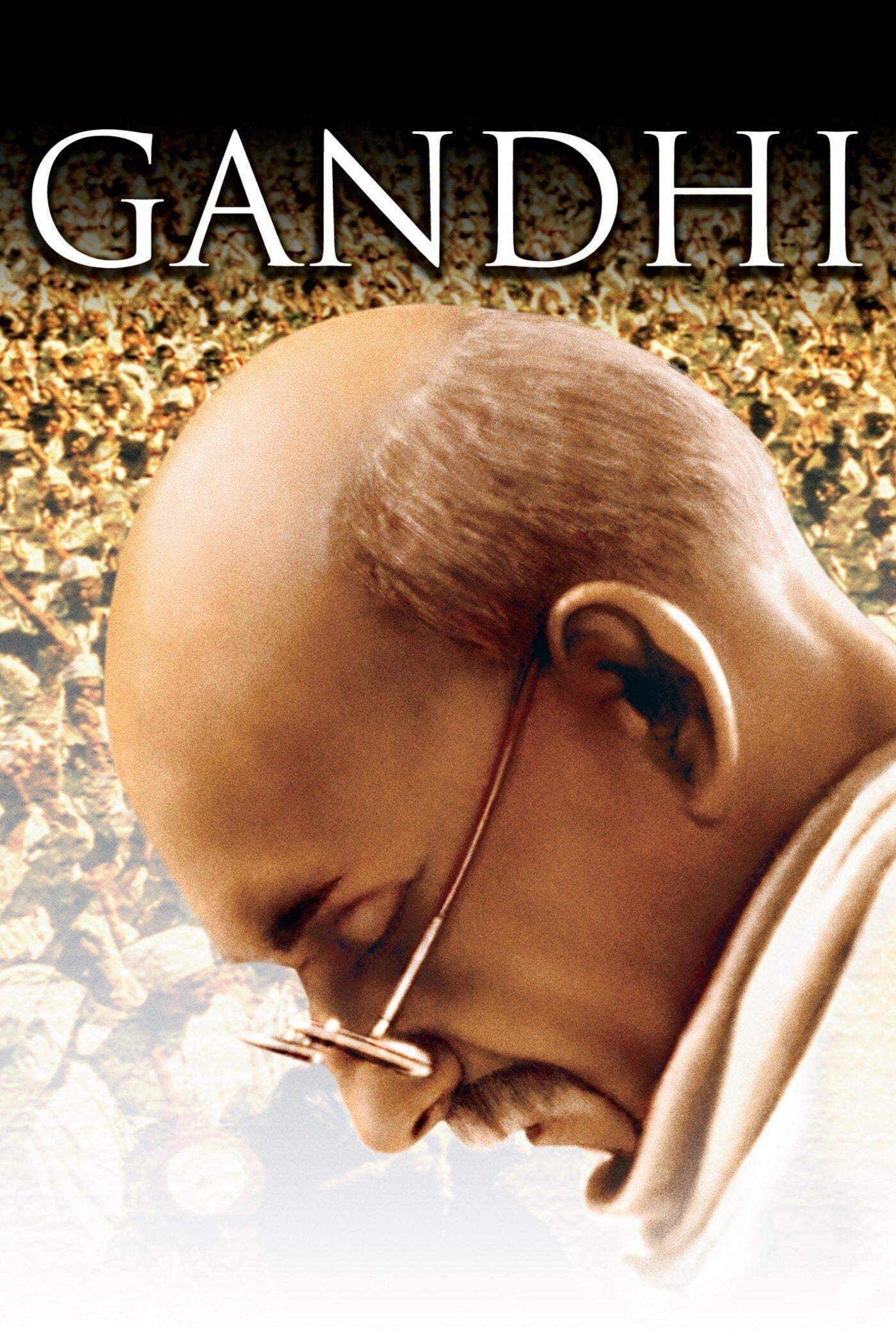
Gandhi (1982) character relationship network mapped with AI analysis. Explore the connections, alliances, and conflicts between characters.
A young Indian lawyer who becomes the central leader of India’s independence movement. After resisting racial discrimination in South Africa, he develops nonviolent protest, leads campaigns against Br...
A British colonial military commander who orders Nepalese and Indian troops to fire on a crowd gathered at Jallianwala Bagh. His command turns a protest against British rule into a massacre and become...
A major Congress leader who later becomes Prime Minister of independent India. He initially agrees to Gandhi’s proposal that Jinnah become Prime Minister with a chosen cabinet, but Jinnah refuses. Neh...
An American journalist who takes special interest in Gandhi’s campaign in South Africa. His attention helps connect Gandhi’s local struggle against racial discrimination and colonial restrictions with...
Gandhi’s wife and a close personal companion during his long political struggle. She remains with him through the period of British repression and house arrest during World War II, where she dies. Her...
A leading figure in the Indian National Congress when Gandhi returns to India in 1915. Patel is especially captivated by Gandhi’s speech at a Congress meeting and becomes one of the important Congress...
A prominent Congress leader who initially advocates self-rule and supports Gandhi’s involvement while opposing his unconventional methods. He proposes non-cooperation, later becomes angry when Gandhi...
An Anglican clergyman who joins Gandhi’s mission in South Africa. He becomes one of Gandhi’s associates at the ashram and supports the movement’s work for racial equality and Indian rights, linking Ga...
A later associate who works with Gandhi at his ashram. Her presence places her within Gandhi’s close working community, which supports his campaigns and way of life as he moves from South African resi...
The Viceroy who declares in 1945 that India’s independence is approaching. He oversees the final political transition described in the film as India and Pakistan gain independence in August 1947, afte...
A leader associated with the Indian National Congress who becomes Gandhi’s mentor after Gandhi returns to India in 1915. His role places him among the senior figures who help shape Gandhi’s early poli...
A leader of the Indian National Congress during Gandhi’s return to India and the movement for self-rule. He is part of the Congress leadership alongside Patel, Nehru, and Jinnah, and is later associat...
Family, romantic, and professional connections based on plot evidence.
Mountbatten declares in 1945 that India's independence is approaching, during the final political transition described in the plot.
After Gandhi returns to India in 1915, Gokhale becomes his mentor.
The plot says that American journalist Vince Walker takes special interest in Gandhi's campaign in South Africa.
The plot states that Kasturba is Gandhi's wife and that she dies while they are under house arrest during World War II.
Alliances, conflicts, and narrative interactions that evolve throughout the story.
Gandhi offers Jinnah the Prime Ministry and choice of cabinet, and Nehru agrees, but Jinnah declines and insists on Pakistani independence with himsel...
Azad is identified as a Congress leader alongside Gandhi's political associates and is later associated with the leaders mourning Gandhi.
Nehru agrees to Gandhi's proposal that Jinnah become Prime Minister with a chosen cabinet, and later appears among Gandhi's mourners.
Jinnah initially supports Gandhi's involvement but opposes his unconventional approach; later he demands Pakistan against Gandhi's wishes.
The plot states that Mirabehn later works with Gandhi at his ashram.
Patel is especially captivated by Gandhi's speech at a Congress meeting and is later associated with the independence movement.
Andrews joins Gandhi's mission in South Africa and works alongside him at the ashram.
Dyer orders soldiers to fire on the crowd at Jallianwala Bagh, an event that becomes a decisive example of the violence Gandhi's movement opposes.
Gandhi's nonviolent campaigns challenge racial discrimination and colonial rule, while his pursuit of independence and communal reconciliation faces repression, partition, violence, and assassination.
Directed by Richard Attenborough
Gandhi (1982) · 7.6/10 · drama, history
Plot analysis generated from content on Wikipedia, licensed under CC BY-SA 4.0.
Related entry on Wikidata (Q202211), public domain (CC0).