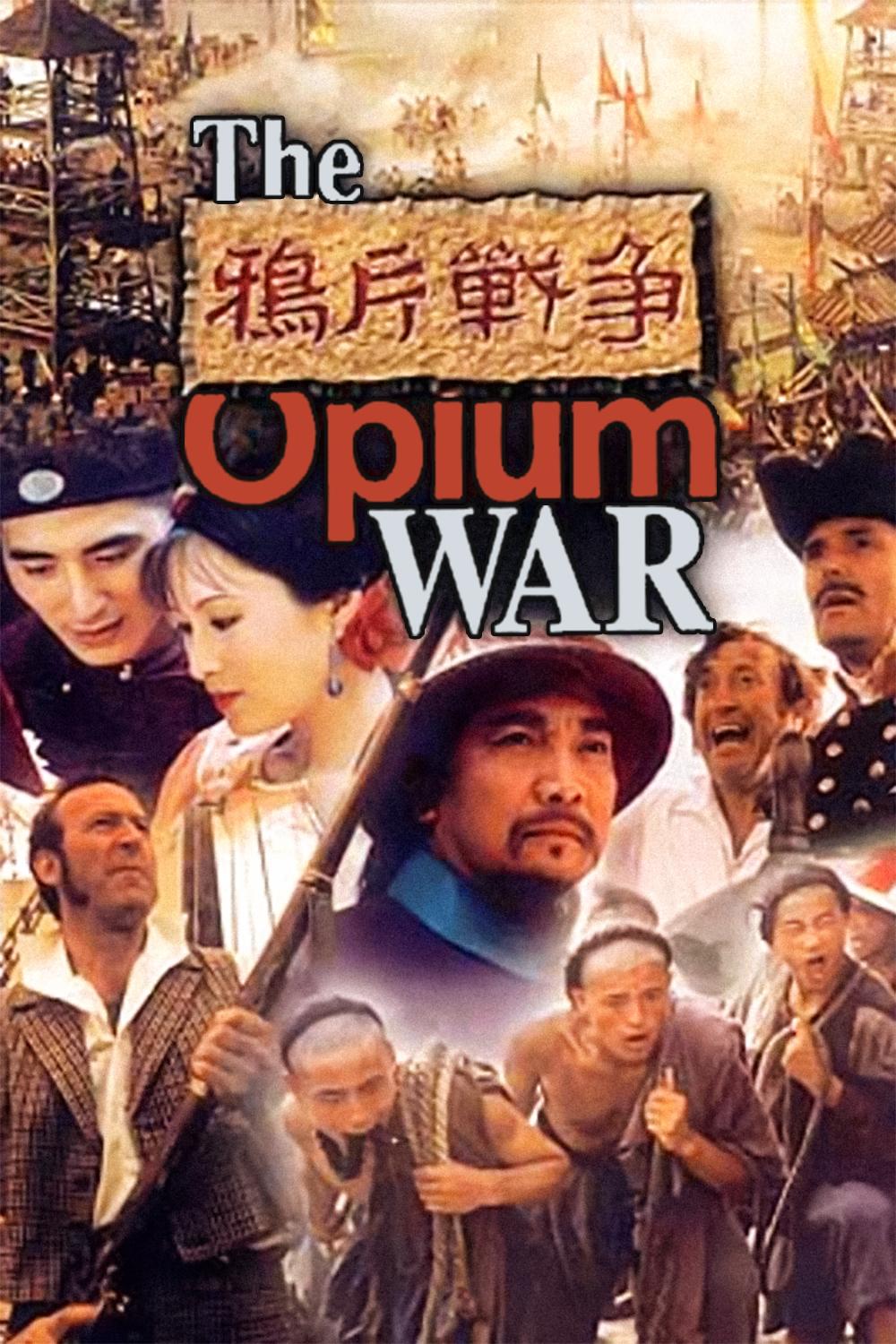
Plot Analysis Summary
A historical conflict driven by trade disputes, diplomatic failures, and military confrontation between Qing China and the British Empire.
Story Structure — 5 Plot Phases
The Opium Crisis
Lin Zexu identifies opium as a national scourge and arrives in Guangdong to eradicate it. He immediately bans its use and confiscates massive shipments from British traffickers, triggering international outrage.
Key Events
-
Opium Scourge Identified — Lin Zexu identifies opium as a national scourge requiring eradication.
Location: Guangdong
-
Opium Ban Enacted — Lin Zexu arrives in Guangdong and immediately bans opium use.
Location: Guangdong
-
British Cargo Seized — Large quantities of opium are seized from British drug traffickers.
Location: Guangdong
-
Opium Addiction Context — The British Empire profits heavily from shipping opium to Chinese addicts.
Location: Guangdong
Diplomatic Breakdown
Queen Victoria orders military action to protect British trade interests. The British present ultimatums for compensation, ports, and territory, but the Chinese imperial court refuses all demands.
Key Events
-
British Cargo Seized — Large quantities of opium are seized from British drug traffickers.
Location: Guangdong
-
Royal Decree Issued — Queen Victoria orders military action to enforce free trade.
Location: British Court
-
Diplomatic Demands — British demand compensation, ports, and Hong Kong; Chinese refuse.
Location: Diplomatic Hall
-
War Declared — The British declare war after demands are rejected.
Location: International Waters
-
Official Dismissed — The court fires Lin Zexu to lower tensions.
Location: Imperial Palace
-
Military Mobilization — British military forces are mobilized to enforce trade policies.
Location: British Naval Yard
Failed Appeasement
The court dismisses Lin Zexu and appoints Qishan to manage the crisis. Qishan attempts to bribe the British and hosts lavish feasts to delay conflict, but his diplomatic overtures are completely rejected.
Key Events
-
Official Dismissed — The court fires Lin Zexu to lower tensions.
Location: Imperial Palace
-
New Governor Appointed — Qishan replaces Lin Zexu with a laxer stance on smuggling.
Location: Imperial Palace
-
Bribery Attempt — Qishan offers a large sum of money to reason with the British.
Location: Diplomatic Tent
-
Demand Doubled — British counter with a demand for twice the offered amount.
Location: Diplomatic Tent
-
Lavish Feast Hosted — Qishan treats British officials to a feast and performers to stall.
Location: Provincial Estate
-
Appeasement Fails — British efforts to appease the British fail completely.
Location: Provincial Estate
-
Stalling Tactics — Qishan attempts to delay military engagement through diplomatic delays.
Location: Diplomatic Camp
The Fall of Humen
British warships bombard Humen Fort with overwhelming firepower. Guan Tianpei leads a desperate defense, but Chinese cannons lack the range to counter the naval assault, resulting in total casualties.
Key Events
-
Appeasement Fails — British efforts to appease the British fail completely.
Location: Provincial Estate
-
Naval Bombardment Begins — British warships launch a fierce fusillade of cannon fire.
Location: Humen Fort
-
Fort Defense — Guan Tianpei leads troops to defend Humen Fort against the barrage.
Location: Humen Fort
-
Range Disparity — Chinese cannons are too short to reach the British warships.
Location: Humen Fort
-
Fort Fall — All officers and soldiers defending the fort are killed in battle.
Location: Humen Fort
-
Artillery Failure — Chinese artillery fails to penetrate British naval defenses.
Location: Humen Fort
Treaty and Exile
The Qing government signs the Treaty of Nanking, formally ceding Hong Kong to British control. Lin Zexu is exiled to Xinjiang, marking the end of the conflict and a major territorial loss.
Key Events
-
Fort Fall — All officers and soldiers defending the fort are killed in battle.
Location: Humen Fort
-
Official Exiled — Lin Zexu is sent into exile in Xinjiang.
Location: Xinjiang
-
Treaty Signed — The British and Qing government sign the Treaty of Nanking.
Location: Treaty Hall
-
Colony Established — Hong Kong officially becomes a British colony.
Location: Hong Kong
-
War Conclusion — The conflict ends with territorial loss and diplomatic defeat.
Location: International Waters
-
Final Surrender — The Qing government capitulates following the fall of Humen Fort.
Location: Treaty Hall
The story of the Opium War between China, in the waning days of the Qing Dynasty, and the British Empire, in the 1830s, and the subsequent takeover of Hong Kong by Britain; through the eyes of the key figures, fiercely nationalistic Lin Zexu, and opportunistic British naval diplomat Charles Elliot.