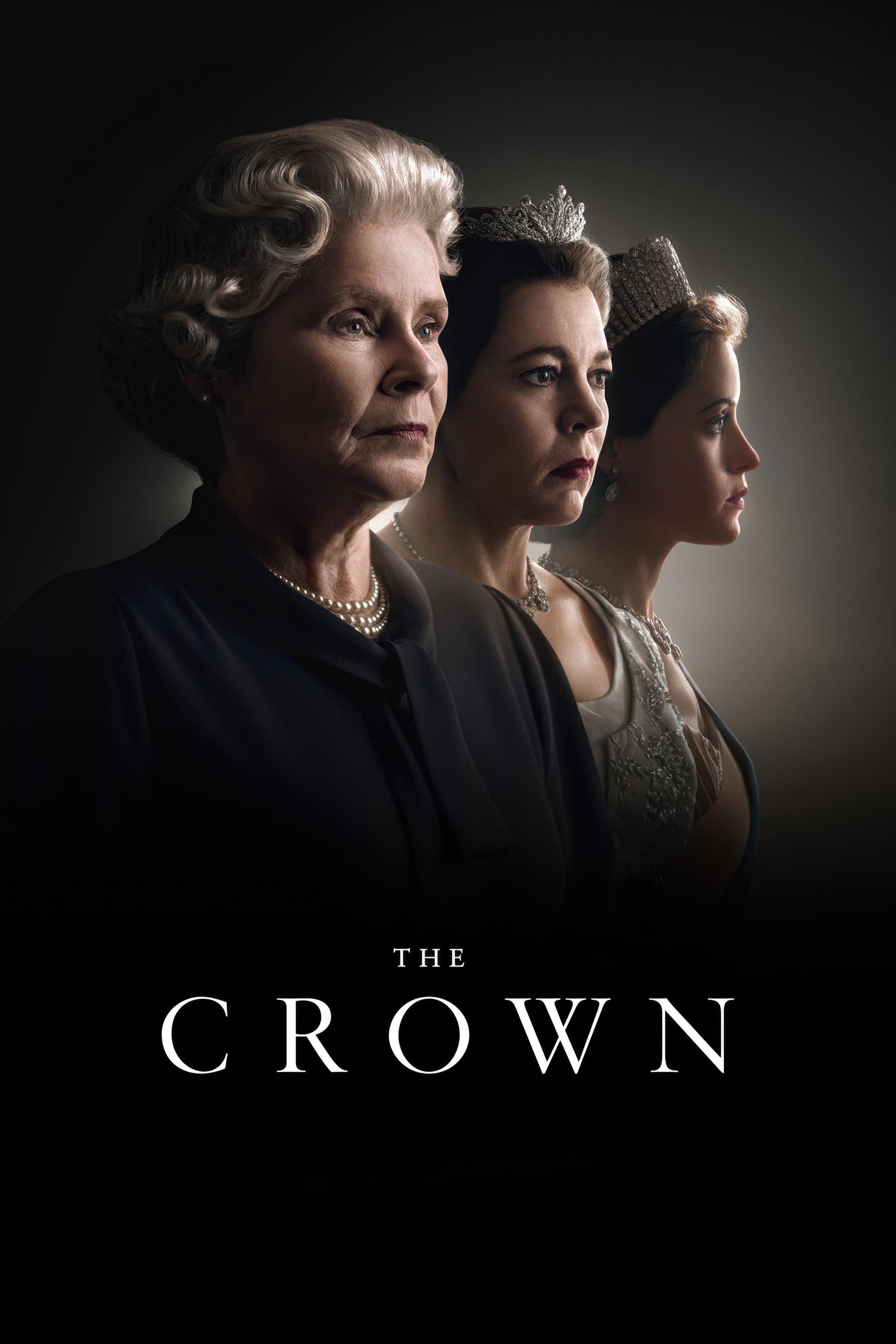
The Crown (2016) character relationship network mapped with AI analysis. Explore the connections, alliances, and conflicts between characters.
Characters
Anthony Eden
(played by Jeremy Northam) — supporting
Prince Philip, Duke of Edinburgh
(played by Matt Smith) — supporting
Princess Anne
(played by Erin Doherty) — supporting
Prince Charles
(played by Josh O'Connor) — supporting
Queen Elizabeth the Queen Mother
(played by Marion Bailey) — supporting
Winston Churchill
(played by John Lithgow) — supporting
Princess Diana
(played by Elizabeth Debicki) — minor
Princess Margaret
(played by Vanessa Kirby) — minor
Peter Townsend
(played by Ben Miles) — minor
Michael Adeane
(played by Will Keen) — cameo
Tommy Lascelles
(played by Pip Torrens) — cameo
Queen Elizabeth II
(played by Claire Foy) — cameo
Martin Charteris
(played by Charles Edwards) — cameo
Prince Andrew
(played by James Murray) — cameo
Canonical Relationships
Family, romantic, and professional connections based on plot evidence.
Princess Margaret → Peter Townsend
(Former lovers) — A sincere relationship ended by royal rules and circumstances beyond their control.
"Margaret seeks permission to marry Townsend in Season 1, is prevented from doing so, and later reunites with him when he returns to London in Season...
Queen Elizabeth II → Princess Margaret
(Sisters) — A close but often painful sisterhood shaped by unequal royal roles and conflicting personal freedoms.
"Elizabeth refuses Margaret's marriage to Peter Townsend in Season 1, while later seasons show their continuing disagreements, Margaret's distress, an...
Queen Elizabeth the Queen Mother → Princess Margaret
(Mother and daughter) — A maternal bond in which protection and royal convention sometimes conflict with Margaret's wishes.
"The Queen Mother advises against Margaret's marriage to Townsend, discusses Margaret's prospects and public role, and is later confronted by her over...
Queen Elizabeth II → Prince Philip, Duke of Edinburgh
(Monarch and royal consort) — Their marriage contains an ongoing imbalance between the monarch's constitutional position and the consort's search for purpose.
"Elizabeth's coronation prompts a dispute over Philip's homage and position, and later their marriage includes negotiations over his role and public v...
Prince Philip, Duke of Edinburgh → Prince Charles
(Father and son) — Philip's formative experiences strongly influence his decisions about Charles's upbringing.
"Philip insists that Charles attend Gordonstoun, drawing on his own school experience, while Charles struggles with the school and recalls Philip's fa...
Queen Elizabeth II → Tommy Lascelles
(Queen and private secretary) — Lascelles provides experienced counsel during Elizabeth's early years as monarch.
"Lascelles advises Elizabeth on Margaret's marriage and other royal matters, while she chooses his successor as his retirement approaches."
Queen Elizabeth II → Anthony Eden
(Sovereign and prime minister) — Their connection reflects the Queen's constitutional relationship with a serving prime minister.
"Eden asks King George VI whether Churchill can be persuaded to step down, and later the political consequences of the Suez Crisis lead to Eden's resi...
Queen Elizabeth II → Princess Anne
(Mother and daughter) — A familial bond marked by Anne's candor and Elizabeth's attempts to understand her children more personally.
"Elizabeth arranges individual meetings with her children to learn their preferences, and Anne helps care for Princess Alice and speaks candidly to El...
Queen Elizabeth II → Michael Adeane
(Queen and private secretary) — Adeane serves as a senior adviser during Elizabeth's developing reign.
"Elizabeth appoints Adeane to replace Lascelles, and he later works on royal matters including the response to the Parker divorce proceedings."
Story Dynamics
Alliances, conflicts, and narrative interactions that evolve throughout the story.
Prince Philip, Duke of Edinburgh → Queen Elizabeth II
(Personal partnership) — Their partnership endures through disagreement and repeated pressure on their family.
"Despite early marital tension and separation during tours, Philip returns to family life, and the two later face family and institutional challenges...
Princess Diana → Queen Elizabeth II
(Royal family and public crisis) — Diana's personal story becomes a defining test of the monarchy's relationship with public opinion.
"Diana's marriage, separation, public profile, and death all prompt consequential decisions and crises for Elizabeth and the institution she represent...
Princess Margaret → Queen Elizabeth II
(Sisters with contrasting duties) — Margaret's story repeatedly exposes the personal costs of the same institution Elizabeth leads.
"Margaret's blocked marriage, reduced public role, failing marriage, and later reconciliation with Elizabeth recur across the series."
Queen Elizabeth II → Winston Churchill
(Political counsel) — Their working relationship develops into a source of political counsel for the young monarch.
"Churchill guides Elizabeth through early political challenges, and before his death he shares his suspicions about Harold Wilson with her."
Queen Elizabeth II → Princess Diana
(Institutional tension) — Diana's public independence and Elizabeth's commitment to established royal boundaries create friction.
"Diana seeks an official role from the government, while Elizabeth rejects the proposal; their differing positions become especially consequential dur...
Queen Elizabeth II → Queen Elizabeth the Queen Mother
(Royal counsel) — The Queen Mother serves as a continuing source of family and institutional counsel.
"The Queen Mother advises Elizabeth on Margaret and the royal household, while both remain involved in major family decisions."
Story Analysis
Across six seasons, Elizabeth balances the demands of the Crown with family life as the monarchy faces political change, public scrutiny, private loss, and generational transition.
Plot Progression
Season 1: Accession and Authority
— Elizabeth's accession transforms her life and tests her capacity to govern. The coronation, Philip's uncertain role, and Margaret's forbidden relationship establish the series' central tension between...
Season 2: Adaptation and Family Strain
— Political upheaval and criticism press the monarchy to adapt to a changing society. Elizabeth and Philip face marital uncertainty, while Margaret's marriage and Charles's schooling reveal the personal...
Season 3: Public Duty and Private Discontent
— Elizabeth confronts national tragedy and political uncertainty while the royal family struggles to connect with the public. Charles's growing relationship with Camilla and Margaret's personal crisis e...
Season 4: Marriage and Public Pressure
— Charles and Diana's courtship becomes a royal marriage under intense scrutiny. Their growing unhappiness, alongside conflict between Elizabeth and the prime minister, makes personal and public pressur...
Season 5: Separation and Institutional Crisis
— The monarchy faces declining confidence as Charles and Diana's marriage breaks down and their conflict becomes public. Their separation and Diana's interview culminate in a divorce, while the institut...
Season 6: Loss and Succession
— Diana's death brings grief and scrutiny, and the royal family confronts its immediate aftermath. The story then turns toward William's future, Margaret's declining health, and Elizabeth's gradual acce...