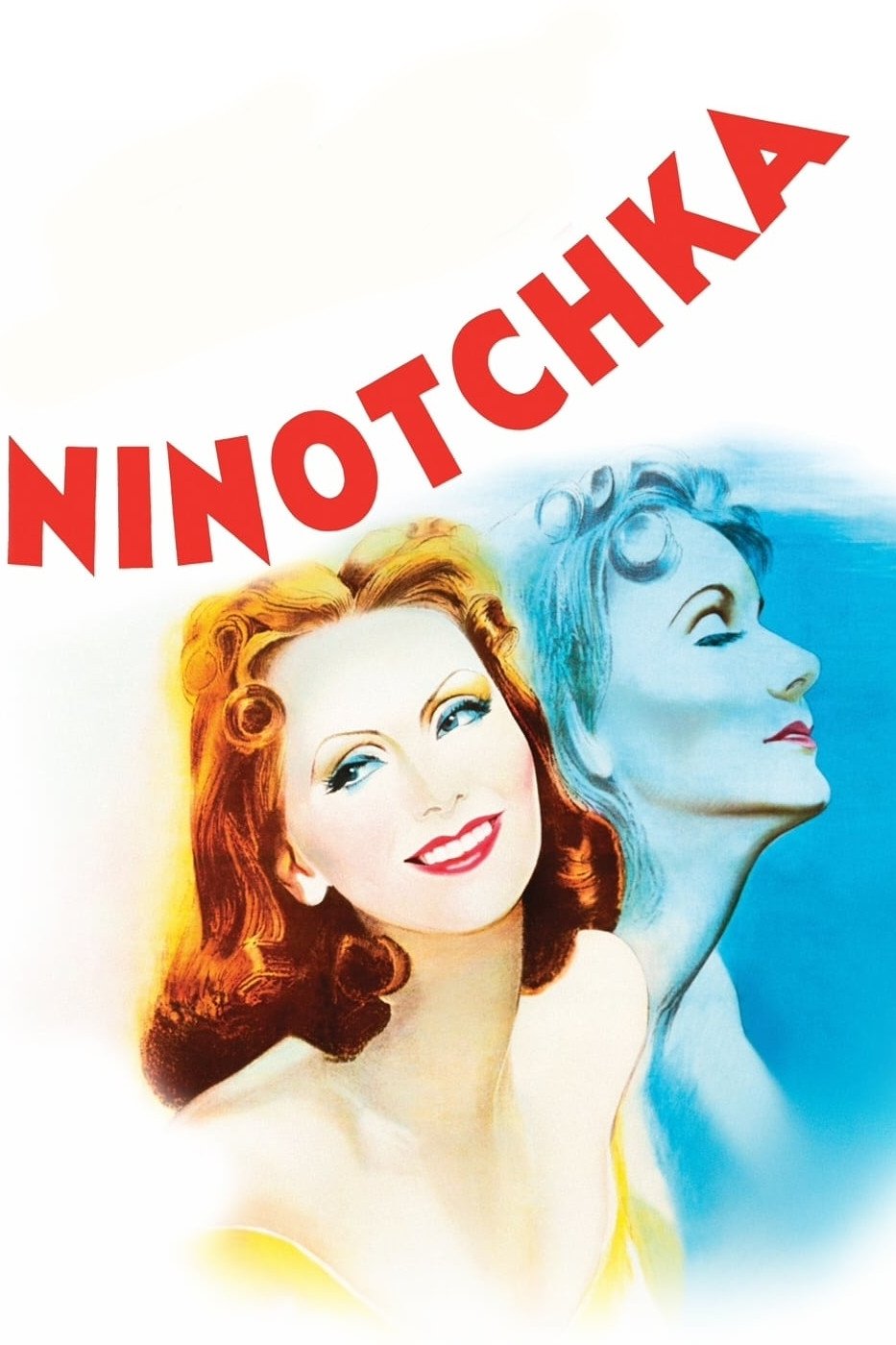
Ninotchka (1939) character relationship network mapped with AI analysis. Explore the connections, alliances, and conflicts between characters.
A rigid and methodical Soviet envoy dispatched to Paris to oversee the sale of confiscated aristocratic jewels and retrieve her wayward comrades. Her strict ideological demeanor gradually softens as s...
A charming, cunning French Count and former White Russian nobleman working as a hotel waiter. He orchestrates schemes to prevent the jewel sale, falls in love with Ninotchka, and devises a plan to reu...
A former Russian aristocrat and Ninotchka's romantic rival for both the confiscated jewels and Count Léon's affections. She proposes a deal to Ninotchka to secure the jewels and Léon.
A stern Soviet official in Moscow who dispatches Ninotchka to Paris to handle the jewel sale and later sends her to Constantinople to retrieve the three comrades.
One of the three Soviet trade agents sent to Paris to sell the aristocratic jewels. He becomes drunk and befriended by Léon, eventually settling in Constantinople.
A Soviet trade agent alongside Iranoff and Kopalski. He plays a key role in revealing Léon's conspiracy to Ninotchka in Constantinople.
The third Soviet trade agent in Paris. He shares his comrades' transformation under Western influence and ends up running a restaurant in Constantinople.
A former White Russian nobleman now working as a hotel waiter. He steals the aristocratic jewels at Swana's behest, triggering Ninotchka's compromise and departure.
A prominent Parisian jeweler who attempts to purchase the confiscated aristocratic jewels but pauses his offer pending the outcome of the legal lawsuit.
Family, romantic, and professional connections based on plot evidence.
Ninotchka attends to the legal matters surrounding the lawsuit and completes the jewelry sale to Mercier before returning to Russia.
Kopalski is present with the other two agents while they negotiate with Mercier to sell the jewelry.
Buljanoff participates in the hotel-suite negotiation with Mercier concerning the jewelry sale.
Iranoff negotiates with Mercier, alongside Buljanoff and Kopalski, over the sale of the confiscated jewelry.
Razinin responds to the agents' failure to sell furs by ordering Ninotchka to investigate and retrieve them.
The agents' mission is conducted under Soviet authority represented by Razinin, who reacts to their failures by ordering their retrieval.
Razinin is the superior to whom the agents' telegram is addressed, and he later responds to their failed assignment by sending Ninotchka to retrieve t...
Razinin sends Ninotchka to Paris and later orders her, against her wishes, to investigate the agents' failure in Constantinople.
Ninotchka is ordered to retrieve the three agents after their failures, including Kopalski's failure to complete the assignments.
Ninotchka is dispatched to handle the agents' failed assignment and specifically chastises the three men for not completing it.
Razinin sends Ninotchka to Paris to retrieve the three agents, and she chastises Iranoff for failing to complete the mission.
Alliances, conflicts, and narrative interactions that evolve throughout the story.
Buljanoff and Kopalski jointly serve on the Soviet trade mission and later help run the restaurant in Constantinople.
Iranoff and Kopalski are two members of the same three-agent Soviet trade delegation in Paris and later open a restaurant together.
Iranoff and Buljanoff arrive together as two of the three Soviet Board of Trade agents assigned to sell the jewelry.
Léon treats Kopalski with the other two agents, wins their confidence, and later conspires with all three in Constantinople.
A rigid Soviet envoy is transformed by Western experience and love while political missions repeatedly separate her from Léon.
Directed by Ernst Lubitsch
Ninotchka (1939) · 7.5/10 · comedy, romance
Plot analysis generated from content on Wikipedia, licensed under CC BY-SA 4.0.
Related entry on Wikidata (Q589894), public domain (CC0).