Story Structure — 5 Plot Phases
A World Without Transitions
The protagonist moves through an ethereal existence where everyday events flow together without ordinary transitions. He begins as a quiet observer of conversations about reality and human life.
Key Events
-
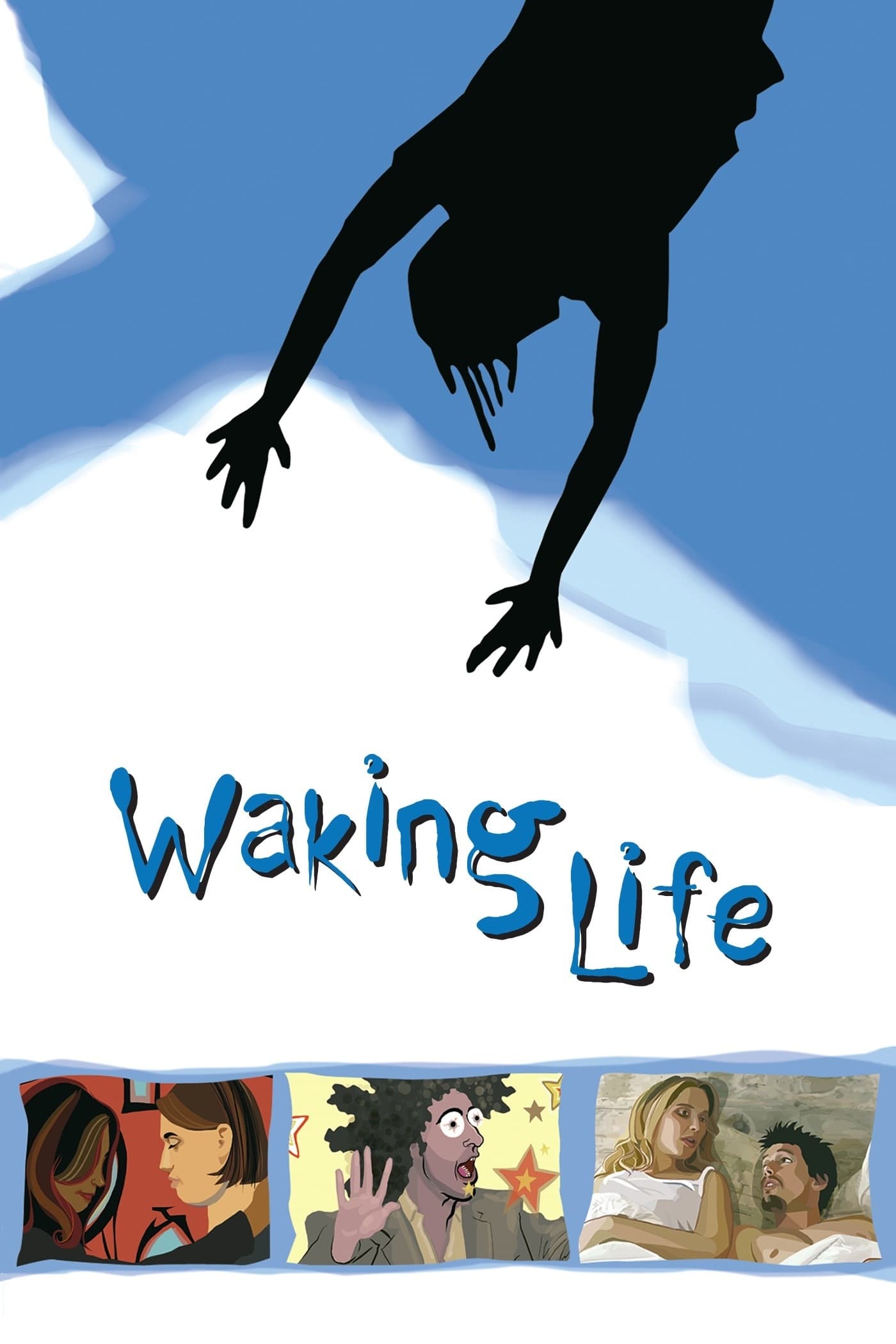
Floating Boy in Driveway — A floating boy establishes the film's opening image of impossible movement.
Location: Driveway
-
Ethereal Daily Existence — The protagonist moves between everyday events without ordinary transitions. Characters: Main Character
Location: Unspecified everyday settings
-
Silent Observation — The protagonist mainly observes conversations rather than participating in them. Characters: Main Character
Location: Unspecified settings
-
Scholars Debate Metaphysics — Philosophical speakers examine metaphysics and the structure of reality. Characters: Main Character, Philosophy Professor
Location: Discussion setting
Arguments About Existence
Scholars, artists, friends, and strangers discuss metaphysics, free will, politics, existentialism, and the meaning of life. These exchanges gradually expand the film's intellectual landscape.
Key Events
-
Artists Discuss Creation — Artists and other figures discuss creative ideas within the dreamlike world. Characters: Main Character, Self
Location: Discussion setting
-
Restaurant Conversations — Restaurant-goers engage in philosophical conversation from a detached perspective. Characters: Self
Location: Restaurant
-
Friends Debate Free Will — Friends and acquaintances consider free will and personal agency. Characters: Main Character, Self
Location: Unspecified social setting
-
Social Philosophy Expands — Discussions widen toward social philosophy and situationist politics. Characters: Self
Location: Unspecified discussion settings
-
Existential Questions Intensify — The film connects existentialism with questions about the meaning of life. Characters: Main Character, Philosophy Professor
Location: Discussion setting
-
Posthuman Ideas Surface — The conversations touch on posthumanity and changing ideas of existence. Characters: Self
Location: Unspecified discussion setting
-
Film Theory Enters — A discussion references the film theory of André Bazin. Characters: Self
Location: Unspecified discussion setting
The Dream Reveals Itself
Lucid dreaming becomes an important framework for understanding the protagonist's experience. After meeting a passing woman, he recognizes that she may be a product of his own imagination.
Key Events
-
Film Theory Enters — A discussion references the film theory of André Bazin. Characters: Self
Location: Unspecified discussion setting
-
Lucid Dreaming Considered — The film introduces lucid dreaming as a way to understand its unstable reality. Characters: Main Character, Self
Location: Dreamlike setting
-
Passing Woman Approaches — A passing woman greets the protagonist and shares creative ideas. Characters: Main Character, Self
Location: Unspecified outdoor setting
-
Figment Recognition — The protagonist identifies the woman as a creation of his dreaming imagination. Characters: Main Character, Self
Location: Unspecified outdoor setting
-
Active Dream Conversations — The protagonist begins speaking more openly with other dream characters. Characters: Main Character, Self
Location: Unspecified settings
Trapped Inside Consciousness
The protagonist becomes more active in conversations but grows increasingly distressed by the possibility that he is trapped in a perpetual dream. His search for certainty turns into existential despair.
Key Events
-
Active Dream Conversations — The protagonist begins speaking more openly with other dream characters. Characters: Main Character, Self
Location: Unspecified settings
-
Despair Within Dream — He becomes distressed by the possibility that he is trapped inside a dream. Characters: Main Character
Location: Dreamlike settings
-
Final Interlocutor Returns — The protagonist meets again with a character encountered briefly earlier. Characters: Main Character, Man in Car with P.A.
Location: Unspecified setting
The Invitation Beyond Life
A final interlocutor presents reality as a single instant and dreams as glimpses of infinity. The film ends when the protagonist levitates from a driveway and disappears into the sky.
Key Events
-
Reality As Single Instant — The interlocutor proposes that reality is one instant falsely interpreted as time. Characters: Main Character, Man in Car with P.A.
Location: Unspecified setting
-
Invitation Into Unity — He describes life as resisting God's invitation to become one with the universe. Characters: Main Character, Man in Car with P.A.
Location: Unspecified setting
-
Driveway Levitation — The protagonist begins levitating, reaches toward a car, and rises above the trees. Characters: Main Character
Location: Driveway
-
Disappearance Into Sky — He ascends into the endless blue expanse and disappears from view. Characters: Main Character
Location: Blue sky