Plot Analysis Summary
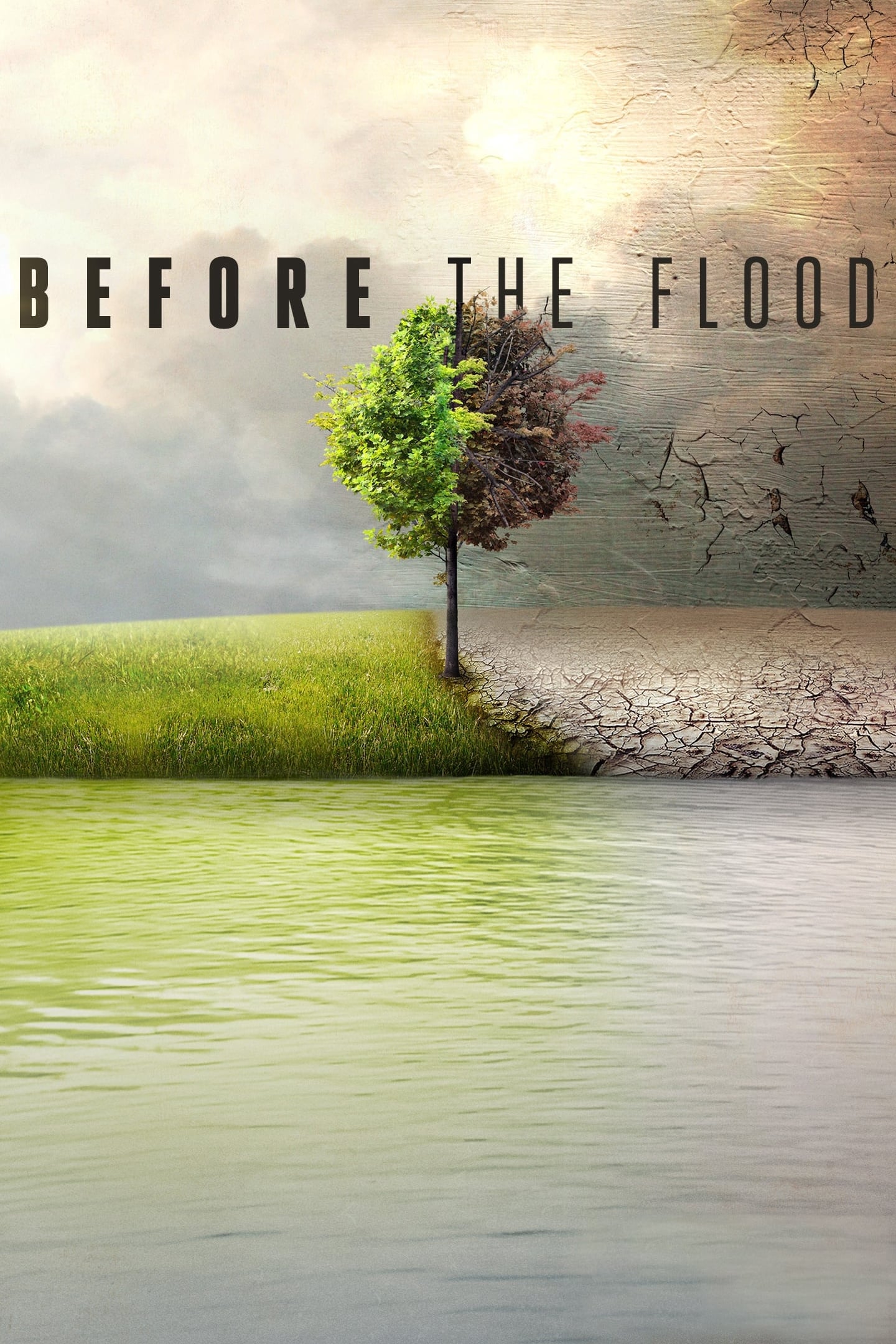
The documentary investigates climate change through its observed impacts, political and economic causes, possible solutions, and consequences for future generations.
Story Structure — 4 Plot Phases
The Painting and the Warning
The narrator recalls Bosch's painting as an image of humanity moving from a natural world toward ruin. Archival broadcasts connect that warning to carbon emissions and successive record-hot years.
Key Events
-
Childhood Painting — The narrator recalls studying a reproduction of Bosch's painting during childhood.
Location: Unspecified
-
A World in Three Stages — The painting's movement from Eden to excess and ruin frames humanity's relationship with nature.
Location: Unspecified
-
Warnings About Carbon — Broadcasts warn that burning coal, oil, and wood releases carbon dioxide.
Location: Archival broadcasts
-
Record Heat Reports — Reports indicate that the hottest years on record are arriving in succession.
Location: Archival broadcasts
-
Climate Investigation Begins — The narrator travels to investigate climate change and speak with people confronting its causes and effects.
Location: Various locations
Rising Water and Unequal Risk
The investigation turns to Florida, where rising seas are already flooding streets and prompting costly infrastructure work. Conversations broaden the problem to political resistance and the unequal distribution of consumption and vulnerability.
Key Events
-
Climate Investigation Begins — The narrator travels to investigate climate change and speak with people confronting its causes and effects.
Location: Various locations
-
Sunny-Day Street Flooding — A mayor describes rising seas bringing water into city streets even during sunny weather.
Location: Florida
-
Pumps and Raised Roads — The city installs pumps and raises roads in a costly effort to buy several decades of protection.
Location: Florida
-
Political Resistance — The mayor describes political resistance to acknowledging the climate problem.
Location: Florida
-
Unequal Energy Consumption — Conversations contrast wealthy nations' higher energy consumption with poorer communities' vulnerability.
Location: Unspecified
-
Limits of Technology Alone — An environmental advocate argues that consumption, investment, and political leadership must also change.
Location: Unspecified
A Possible Energy Transition
A battery factory visit presents storage as a possible means of expanding renewable power, including in remote communities. The film stresses that technical possibility depends on large investment and coordinated effort.
Key Events
-
Battery Factory Visit — The narrator visits a factory and hears how cheaper batteries could store renewable energy.
Location: Battery factory
-
Power for Remote Communities — The entrepreneur describes battery storage as a way to electrify remote communities without extensive power lines.
Location: Battery factory
-
Scale of Energy Transition — The film presents sustainable energy transition as technically possible but requiring major investment and coordination.
Location: Unspecified
Political Stakes and Future Generations
The narrator questions a president about the durability of climate initiatives, and the response emphasizes persistent evidence and national security. The documentary closes on possible displacement, threatened landscapes, and the need for timely action.
Key Events
-
Question About Policy Reversal — The narrator asks a president whether a future administration could undo climate initiatives.
Location: Unspecified
-
Evidence Persists — The president argues that evidence and real-world impacts will continue confronting the public.
Location: Unspecified
-
Climate as Security Concern — The president describes climate change as a national security concern as well as an environmental one.
Location: Unspecified
-
Coastal Displacement Risk — The president reflects on coastal populations potentially being displaced.
Location: Coastal regions
-
Landscapes Lost to Descendants — The president worries that his children and grandchildren may not see landscapes and glaciers he remembers.
Location: Glaciers and remembered landscapes
-
Painting's Warning Returns — The closing warning echoes the painting's ruined landscape while stressing that timely action could limit harm.
Location: Unspecified
-
Call for Timely Action — The documentary concludes that human activity risks degrading a livable world, but timely action can reduce the damage.
Location: Unspecified