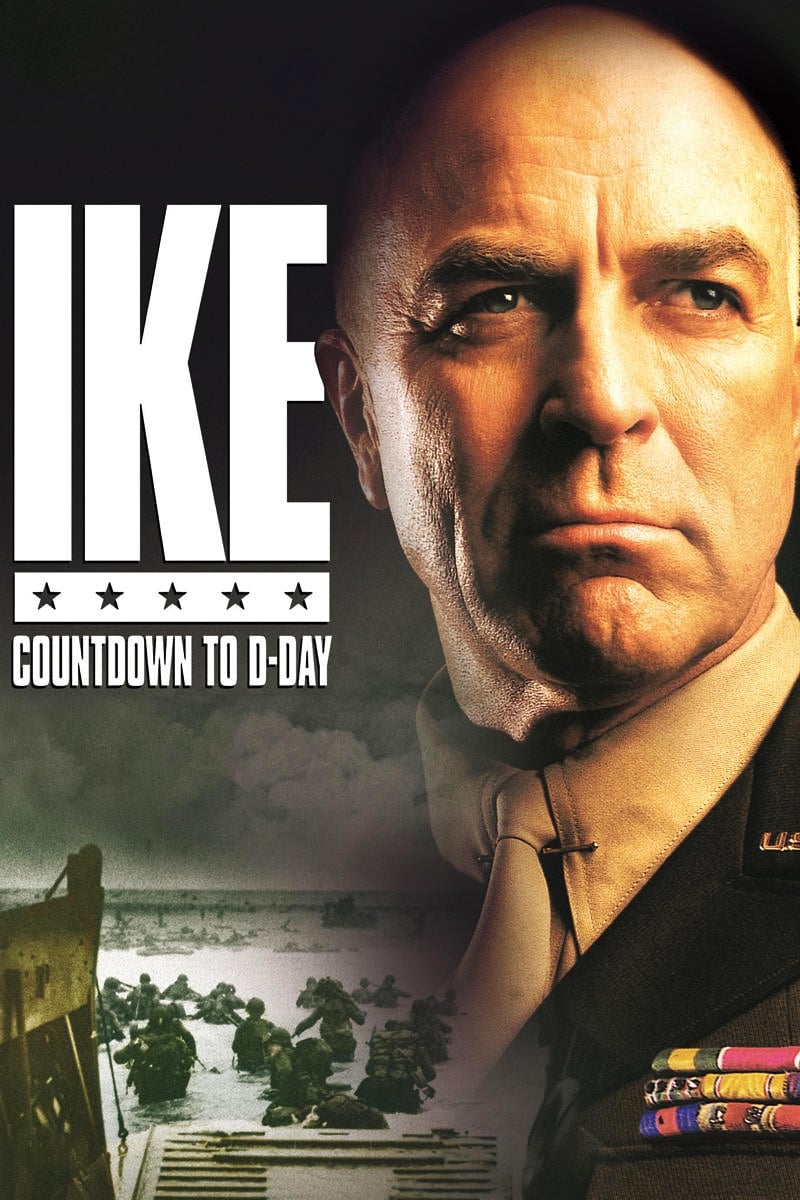
Plot Analysis Summary
A Supreme Commander carries the strategic, political, and moral burden of launching a hazardous invasion.
Story Structure — 5 Plot Phases
The Price of Command
The Supreme Commander negotiates for complete operational authority and begins coordinating the invasion. Internal disagreements reveal the enormous risks attached to the plan.
Key Events
-
Authority Negotiations Begin — The Supreme Commander demands total control of the invasion from the British prime minister. Characters: Winston Churchill
Location: England
-
Command Authority Granted — Churchill acquiesces after the Supreme Commander threatens to resign. Characters: Winston Churchill
Location: England
-
Invasion Plan Developed — Senior ground commanders coordinate the planned invasion of German-occupied Europe.
Location: Allied Headquarters
-
General Reprimanded — A senior commander is reprimanded for minimizing the importance of American allies.
Location: Allied Headquarters
-
Strategic Doubts Shared — The Supreme Commander privately questions a subordinate's understanding of the war while acknowledging his military skill.
Location: Allied Headquarters
Losses Before Landing
A training convoy suffers a devastating attack, costing soldiers and landing craft. Allied deception succeeds temporarily, but the invasion timetable becomes increasingly urgent.
Key Events
-
Airborne Casualty Warning — The air forces commander warns that airborne losses could be extraordinarily high.
Location: Allied Headquarters
-
Convoy Training Attack — German E-Boats attack a training convoy, causing nearly a thousand military deaths.
Location: English Coast
-
Landing Craft Lost — The convoy attack destroys precious landing craft needed for the invasion.
Location: English Coast
-
Deception Reported — A report states that German forces believe the main landing will occur at Pas-de-Calais.
Location: Allied Headquarters
-
Invasion Date Set — Fearing the deception will not last, the commander sets the invasion for 5 June.
Location: Allied Headquarters
Burden of Failure
A security breach leads to a commander's dismissal, while royal leaders are briefed on the expected losses. The Supreme Commander privately accepts responsibility for possible failure.
Key Events
-
Friend Relieved Of Command — A friend is removed from command after publicly disclosing sensitive information.
Location: Allied Headquarters
-
Royal Briefing — Allied leaders brief the royal couple about the invasion and expected losses. Characters: Winston Churchill, King George, Queen Elizabeth
Location: Royal residence
-
Royal Fears Revealed — King George confides his fears about heavy Allied casualties. Characters: King George, Queen Elizabeth
Location: Royal residence
-
Responsibility Accepted — The commander promises to accept sole responsibility if the invasion fails. Characters: Winston Churchill
Location: Private meeting room
-
German Redeployment Reported — Reports reveal strong German forces moving toward the American landing zones.
Location: Allied Headquarters
Weather Against the Plan
Reports of German redeployment intensify disputes over airborne casualties. A political disagreement and a severe storm further threaten the invasion schedule.
Key Events
-
German Redeployment Reported — Reports reveal strong German forces moving toward the American landing zones.
Location: Allied Headquarters
-
Airborne Debate Escalates — Two senior commanders argue heatedly over the possible airborne losses.
Location: Allied Headquarters
-
Casualty Risk Accepted — The commander resolves the dispute while remaining mindful of the human cost.
Location: Allied Headquarters
-
French Political Dispute — A French leader challenges the commander's views on administration and addressing France.
Location: Allied Headquarters
-
Storm Delays Invasion — A heavy rainstorm forces a twenty-four-hour delay to 6 June.
Location: Southern England
The Order and Its Outcome
The final invasion order is issued despite dangerous weather. Successful reports arrive, and the predicted airborne disaster fails to materialize.
Key Events
-
Final Order Issued — Despite dangerous conditions, the commander gives the final order for the invasion.
Location: Allied Headquarters
-
Paratroopers Prepared — The commander visits paratroopers and drafts a letter accepting blame for failure.
Location: Airfield
-
Successful Invasion Reported — Reports of a successful invasion and established beachhead reach headquarters.
Location: Operations room
-
Casualty Prediction Withdrawn — The air forces commander reports that the predicted disastrous casualties did not occur and apologizes.
Location: Operations room
-
Final Operations Room Walk — The commander takes a final walk through the operations room as the film fades out.
Location: Operations room