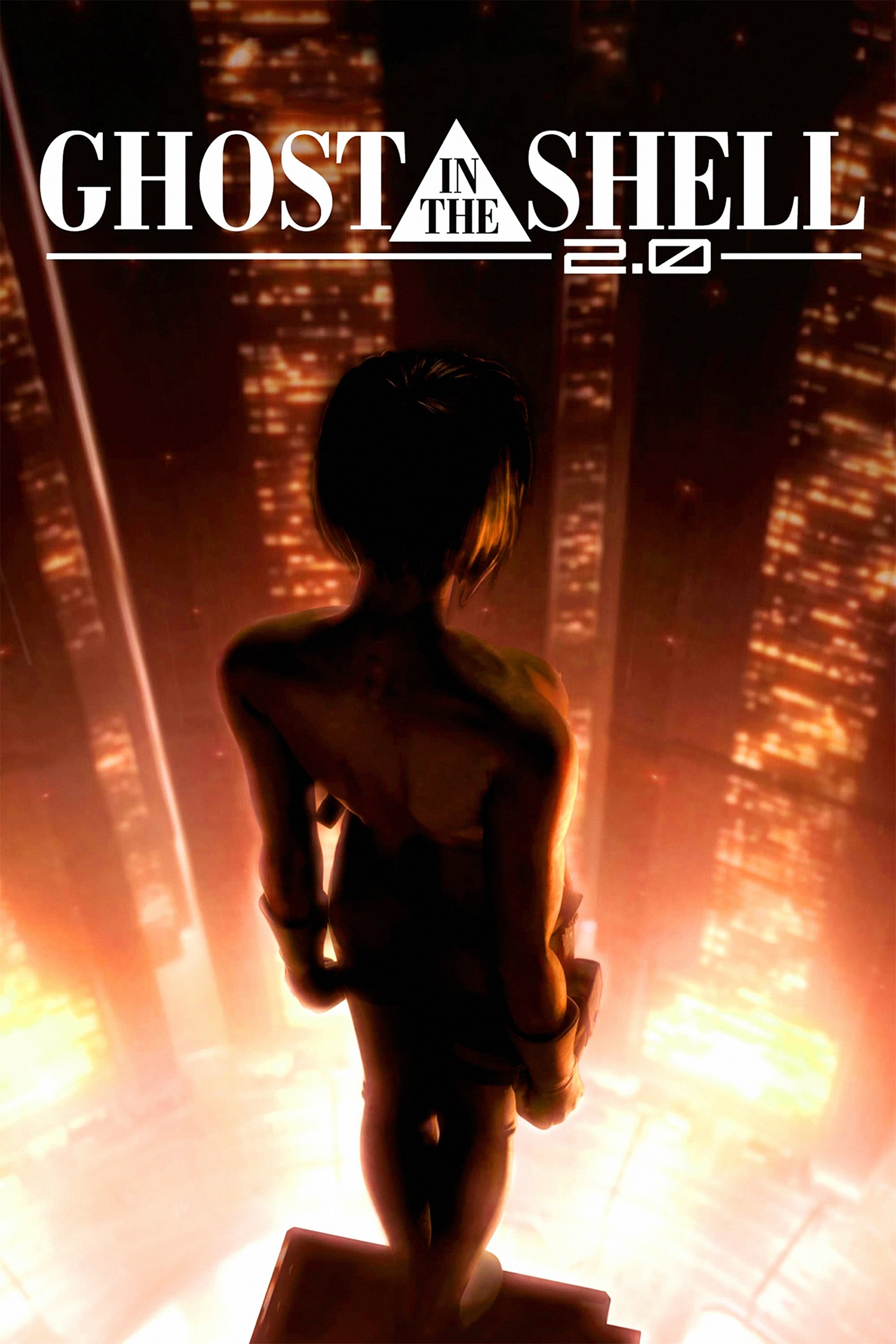
Character Relationship Map: Ghost in the Shell 2.0
Ghost in the Shell 2.0 (2008) character relationship network mapped with AI analysis. Explore the connections, alliances, and conflicts between characters.
Characters
Motoko Kusanagi
(played by Atsuko Tanaka) — protagonist
A Section 9 operative who investigates the garbage collectors, pursues them using active camouflage, and later establishes a cybernetic link with the mysterious cyborg shell.
Batou
(played by Akio Otsuka) — protagonist
A Section 9 operative who supports the pursuit, challenges a garbage collector's possibly fabricated memories, and protects Motoko Kusanagi during the confrontation with the mysterious entity.
Togusa
(played by Koichi Yamadera) — supporting
A Section 9 operative who arrests the fleeing garbage collectors after their escape attempt in a garbage truck.
Section 9 Department Chief Aramaki
(played by Tamio Ohki) — supporting
The head of Section 9 who meets with the Foreign Ministry and learns that the programmer's case is politically sensitive.
Diplomat
(played by Shinji Ogawa) — minor
A diplomatic official involved in taking a programmer out of the country under diplomatic protection.
The Puppet Master
(played by Yoshiko Sakakibara) — minor
A self-aware life-form inhabiting a mysterious cyborg shell. It claims to have emerged from the sea of information after being created for industrial espionage and data manipulation, and requests poli...
Canonical Relationships
Family, romantic, and professional connections based on plot evidence.
Togusa → Section 9 Department Chief Aramaki
(Professional Superior Officer) — Togusa's field action is part of Aramaki's organizational operation.
Togusa performs the arrest of the garbage collectors during a Section 9 investigation overseen within Aramaki's department.
Batou → Section 9 Department Chief Aramaki
(Professional Superior Officer) — Batou operates within Aramaki's Section 9 command.
Batou participates in the Section 9 investigation and operations conducted after Aramaki learns that the case is politically sensitive.
Motoko Kusanagi → Section 9 Department Chief Aramaki
(Professional Superior Officer) — Aramaki represents the command structure overseeing Motoko's mission.
The investigation by Motoko Kusanagi occurs as part of Section 9's response to the cybercrime case coordinated under Aramaki's department.
Story Dynamics
Alliances, conflicts, and narrative interactions that evolve throughout the story.
Batou → Motoko Kusanagi
(related)
Motoko Kusanagi → Togusa
(related)
Togusa → Batou
(related)
Batou → The Puppet Master
(Alliance Pursuit Partner) — Batou supports Motoko's attempt to reach and understand the entity.
Batou protects Motoko during the operation to establish a cybernetic link with the fleeing Puppet Master.
Motoko Kusanagi → The Puppet Master
(Narrative Cybernetic Counterpart) — Their direct connection drives the film's central philosophical encounter.
Motoko establishes a cybernetic link with The Puppet Master and begins diving into its visual and speech centers.
The Puppet Master → Section 9 Department Chief Aramaki
(Narrative Asylum Applicant) — The Puppet Master's legal and political claim becomes a major concern for Aramaki's organization.
The Puppet Master requests political asylum after identifying itself as Project 2501, while Aramaki's department investigates the case.
Motoko Kusanagi → Diplomat
(Conflict Operational Adversary) — Motoko's operation directly opposes the Diplomat's removal of the suspect.
Motoko participates in Section 9's attempt to intercept a programmer being taken out of the country by diplomatic personnel.
Section 9 Department Chief Aramaki → Diplomat
(Conflict Political Opponent) — Aramaki must navigate the diplomatic interests surrounding the suspect.
Aramaki meets with the Foreign Ministry after diplomatic personnel remove the programmer, learning that the case is politically sensitive.
Batou → Togusa
(Alliance Teammate) — They cooperate in the same Section 9 field operation.
Batou supports the pursuit of the garbage collectors, while Togusa completes the arrest.
Motoko Kusanagi → Togusa
(Alliance Teammate) — Togusa contributes to Motoko's field investigation as a Section 9 colleague.
Togusa arrests the fleeing garbage collectors after Motoko Kusanagi pursues them and Batou supports the operation.
Motoko Kusanagi → Batou
(Alliance Teammate) — They operate as closely coordinated Section 9 partners during investigations and combat.
Motoko Kusanagi and Batou jointly investigate the garbage collectors and later confront the forces pursuing The Puppet Master.
Story Analysis
A cybercrime investigation develops into a philosophical encounter over artificial life, memory, identity, and political autonomy.
Plot Progression
Diplomacy Under Fire
— Section 9 attempts to intercept a politically protected programmer in Newport City. Aramaki learns that diplomatic concerns complicate the cybercrime investigation.
Manufactured Memories
— Motoko, Batou, and Togusa pursue garbage collectors connected to sanitation-network access. Batou's interrogation raises doubts about the authenticity of personal memory and identity.
The Digital Lifeform
— Section 9 discovers a cyborg shell containing a ghost-like presence without an organic brain. The shell awakens and identifies itself as The Puppet Master, or Project 2501.
Asylum and Pursuit
— The Puppet Master explains its creation for espionage and data manipulation before requesting political asylum. Its escape prompts an order to capture it alive and brings an armed pursuit.
The Unresolved Link
— Heavily armed forces attack the fleeing group and target Motoko as well as Project 2501. Batou protects her while she links with the entity, whose explanation continues into an unresolved encounter.
Directed by Mamoru Oshii
Ghost in the Shell 2.0 (2008) · 7.4/10 · action, animation, crime, science-fiction
Content sources
Related entry on
Wikidata
(Q23034444), public domain (CC0).
Plot breakdown and analysis on this page are AI-generated from the title's synopsis and metadata.