Plot Analysis Summary
A forensic psychiatrist examines divided identities, violent behavior, and whether the death penalty can fairly judge impaired self-control.
Story Structure — 5 Plot Phases
A Question Of Control
Self prepares a written account and introduces her concern with violent behavior, insanity, and the limits of criminal self-control. Personal memories complicate her professional reflections.
Key Events
-
Self Revises Her Account — Self dictates and revises her account while her son helps prepare copies. Characters: Self, Self
Location: Self's home
-
Questioning Violent Behavior — Self examines how someone who has killed can still appear and behave normally. Characters: Self
Location: Self's home
-
Insanity And Bigotry — Self argues that hatred or bigotry alone does not prove insanity. Characters: Self
Location: Self's home
-
Childhood Enters Practice — Self recalls childhood memories and family conversations intruding on professional work. Characters: Self
Location: Self's home
-
The Central Clinical Question — Self asks whether brain, upbringing, and disorder can limit criminal self-control. Characters: Self
Location: Clinical setting
Identities Under Examination
Self describes clinical investigations of fragmented identities, including a child whose changing states produced distinct behavior and writing. Extensive records support the diagnosis despite professional rejection.
Key Events
-
The Central Clinical Question — Self asks whether brain, upbringing, and disorder can limit criminal self-control. Characters: Self
Location: Clinical setting
-
Fragmented Identities — Self describes investigations into people with divided or fragmented identities. Characters: Self
Location: Clinical setting
-
A Child Changes States — An abused child displays distinct personalities with different behavior, handwriting, and spelling. Characters: Self
Location: Clinical setting
-
Evidence Before Treatment — Documents and recordings show the disorder existed before treatment and was not created by interviewing. Characters: Self
Location: Clinical setting
-
Colleagues Reject Diagnosis — Psychiatric colleagues ridicule Self despite demonstrations of children switching between states. Characters: Self
Location: Yale
-
Leaving Bellevue — Hostility and loss of observation space eventually drive Self to leave Bellevue. Characters: Self
Location: Bellevue
Law Against The Brain
The documentary challenges the narrow legal test for execution and presents evidence suggesting that a condemned prisoner's understanding may be impaired. Self connects legal judgment with psychiatric knowledge.
Key Events
-
Leaving Bellevue — Hostility and loss of observation space eventually drive Self to leave Bellevue. Characters: Self
Location: Bellevue
-
The Death Penalty Test — Self argues that execution law ignores modern knowledge about brains and psychiatric disorders. Characters: Self
Location: Legal setting
-
Dessert After Execution — A condemned prisoner saves dessert for after execution, which Self interprets as limited understanding. Characters: Self
Location: Prison setting
-
The Bellevue Prisoner — Self discusses a prisoner brought to Bellevue after twice trying to kill a lover. Characters: Self
Location: Bellevue
Clemency And Death
Self testifies about a prisoner with suspected multiple personalities and traumatic development, but the clemency board votes to proceed. A desperate rescue plan fails, and execution follows.
Key Events
-
The Bellevue Prisoner — Self discusses a prisoner brought to Bellevue after twice trying to kill a lover. Characters: Self
Location: Bellevue
-
Testimony About Mental State — Self testifies about the prisoner's intelligence, mental condition, and traumatic development. Characters: Self
Location: Clemency hearing
-
Clemency Board Rejects Appeal — The clemency board votes overwhelmingly to proceed with the prisoner's execution. Characters: Self
Location: Clemency board
-
A Desperate Saving Plan — A relative's desperate plan to save the prisoner fails. Characters: Self
Location: Legal setting
-
Execution And Alternate Self — The execution occurs, while reports suggest a tougher alternate personality helped the prisoner face death. Characters: Self
Location: Execution setting
The Unresolved Fear
Self examines sexual violence, disturbing early exposure, heredity, and psychiatric illness while rejecting pornography as a complete cause. She ends with continuing fear of executing people unable to control themselves.
Key Events
-
Execution And Alternate Self — The execution occurs, while reports suggest a tougher alternate personality helped the prisoner face death. Characters: Self
Location: Execution setting
-
Sexual Violence Case — Self examines a sexually sadistic murderer's early behavior and psychiatric family history. Characters: Self
Location: Clinical setting
-
Pornography And Causation — Self finds disturbing exposure and family illness but rejects pornography as a complete explanation. Characters: Self
Location: Clinical setting
-
Fear Of Wrongful Execution — Self fears society may execute people whose minds made self-control nearly impossible. Characters: Self
Location: Self's home
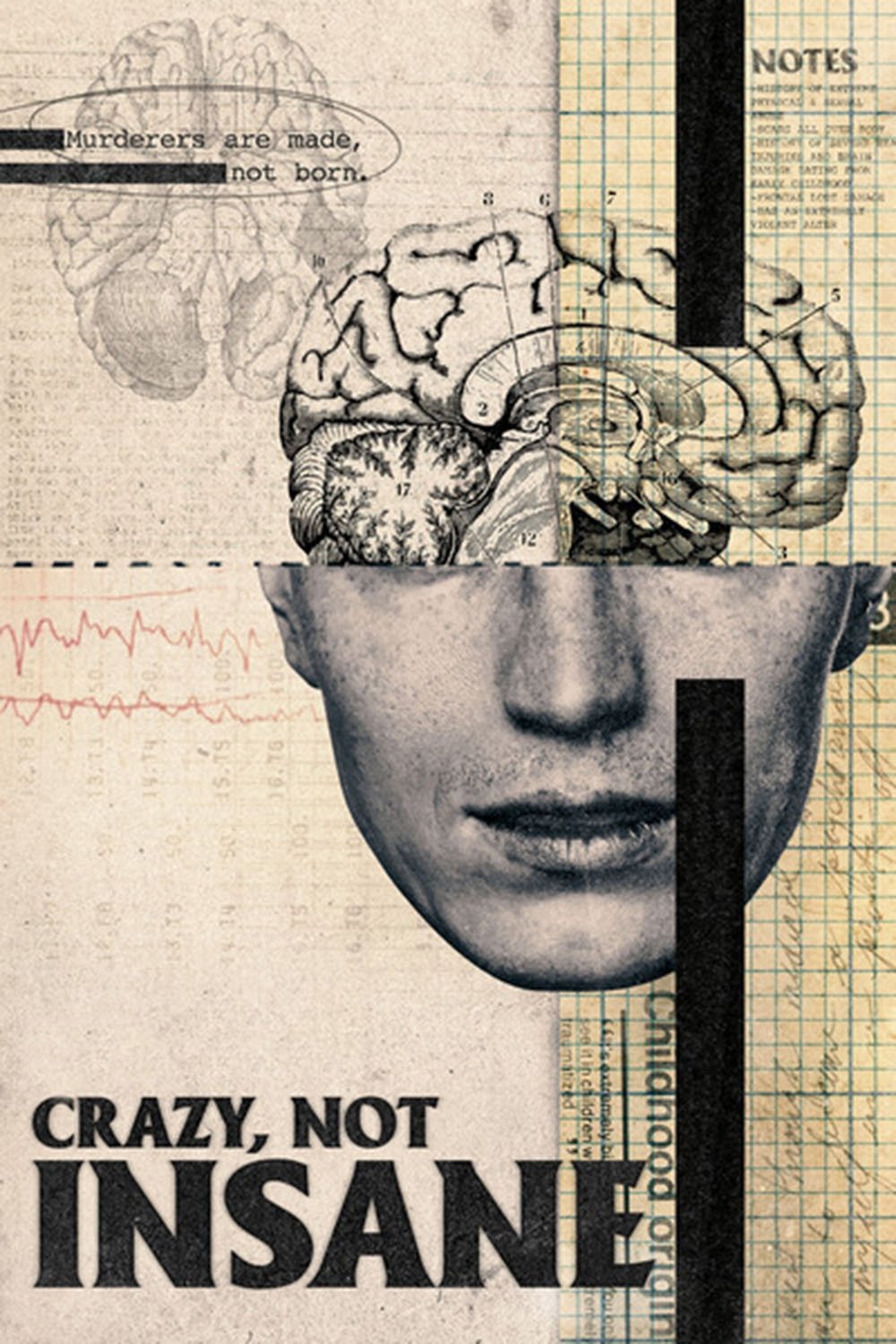
Fascinated by the human brain and its capacity for ruthlessness, psychiatrist Dr. Dorothy Otnow Lewis has spent her life investigating the interior lives of violent people. With each case, she came closer to developing a unified field theory of what makes a killer. Along the way - steering away from the conventional wisdom of her colleagues - she explored the world of multiple personality disorder.