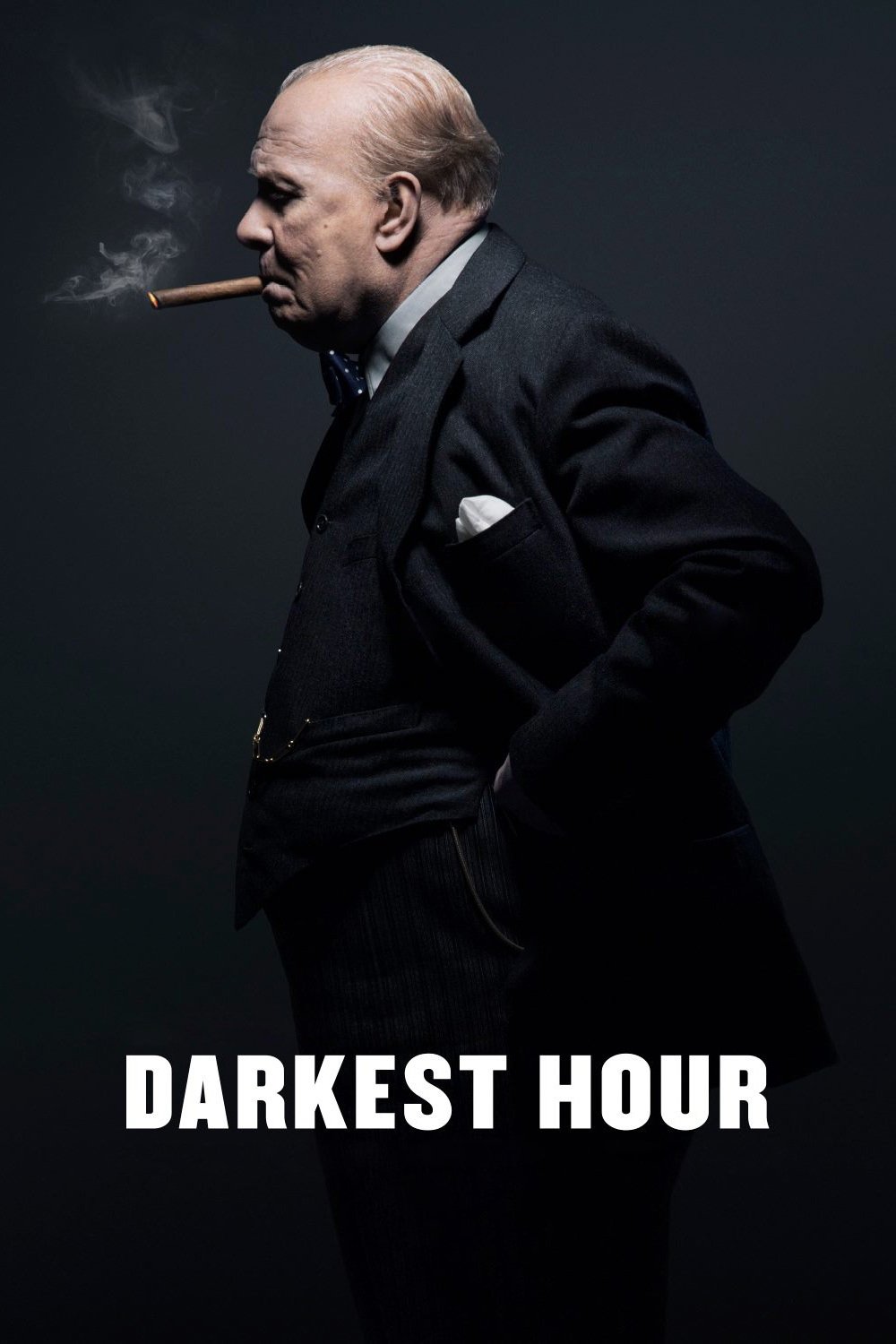
Darkest Hour (2017) character relationship network mapped with AI analysis. Explore the connections, alliances, and conflicts between characters.
Characters
Winston Churchill
(played by Gary Oldman) — protagonist
British prime minister who forms a national government in May 1940 and leads the country against negotiating peace with Germany. He orders military actions to aid the evacuation from Dunkirk, supports...
Viscount Halifax
(played by Stephen Dillane) — protagonist
A senior Conservative politician whom Conservative colleagues initially favor as prime minister. As Foreign Secretary, he opposes Churchill’s refusal to negotiate peace and works with Neville Chamberl...
Elizabeth Layton
(played by Lily James) — supporting
Churchill’s new secretary. He is initially brusque with her after she mishears him, while his wife rebukes him for his treatment of her.
Neville Chamberlain
(played by Ronald Pickup) — supporting
The British prime minister who resigns under pressure from the opposition and chooses Churchill as the only acceptable successor. He remains in government as Lord President of the Council, initially s...
King George VI
(played by Ben Mendelsohn) — supporting
The king, initially sceptical of Churchill because of the abdication crisis, reluctantly invites him to form a government. He later visits Churchill to express his support for continuing the war and r...
Sir Anthony Eden
(played by Samuel West) — supporting
Cabinet Secretary Bridges
(played by Demetri Goritsas) — minor
President Roosevelt (voice)
(played by David Strathairn) — minor
Mary Churchill
(played by Mary Antony) — cameo
Diana Churchill
(played by Alex Clatworthy) — cameo
Lord Kingsley Wood
(played by Brian Pettifer) — cameo
Lord Stanhope
(played by Jeremy Child) — cameo
Randolph Churchill
(played by Jordan Waller) — cameo
Reynaud
(played by Olivier Broche) — cameo
Lord Londonderry
(played by Michael Gould) — cameo
Canonical Relationships
Family, romantic, and professional connections based on plot evidence.
Winston Churchill → Mary Churchill
(Family Member) — A family connection present in the domestic background.
Mary Churchill is identified in the film's character set as a member of Churchill's family.
Winston Churchill → Diana Churchill
(Family Member) — A family connection with limited direct influence on the wartime plot.
Diana Churchill is identified in the film's character set as a member of Churchill's family.
Winston Churchill → Randolph Churchill
(Family Member) — A family connection shown in the surrounding domestic context.
Randolph Churchill is identified in the film's character set as a member of Churchill's family.
Neville Chamberlain → Reynaud
(Professional Allied Counterpart) — An indirect governmental relationship formed by the Allied military crisis.
Neville Chamberlain remains part of the British wartime government while the French defeat and Reynaud's assessment shape the British peace debate.
Viscount Halifax → Reynaud
(Professional Strategic Counterpart) — Their connection is indirect, through the Allied crisis and peace debate.
Viscount Halifax is involved in the British government's debate over the collapsing French campaign and whether Britain should seek terms.
Neville Chamberlain → King George VI
(Power Outgoing Prime Minister) — A constitutional transition links Chamberlain's departure to the King's appointment of Churchill.
Neville Chamberlain resigns as prime minister, after which King George VI invites Churchill to form a government.
Viscount Halifax → King George VI
(Power Constitutional Colleague) — Halifax's leadership prospects are shaped by the constitutional succession process.
Viscount Halifax is a senior Conservative alternative to Churchill during the government-formation crisis involving King George VI.
Winston Churchill → Lord Kingsley Wood
(Professional Cabinet Colleague) — A minor professional connection within Churchill's government.
Lord Kingsley Wood is listed among the governmental figures present during the political crisis and parliamentary decision-making.
Winston Churchill → Lord Stanhope
(Professional Cabinet Colleague) — A supporting political relationship within the government establishment.
Lord Stanhope appears among the parliamentary and governmental figures involved in the wartime political process surrounding Churchill.
Winston Churchill → Cabinet Secretary Bridges
(Professional Government Colleague) — A formal administrative connection within the wartime government.
Cabinet Secretary Bridges is part of the governmental and advisory environment in which Churchill's wartime decisions are debated.
Winston Churchill → Reynaud
(Professional Wartime Counterpart) — Their meeting exposes disagreement over the military situation and possible resistance.
Winston Churchill visits French prime minister Reynaud, who believes Churchill is delusional about the worsening Battle of France.
Winston Churchill → Elizabeth Layton
(Professional Employer) — A strained professional relationship that is moderated by Churchill's personal correction.
Elizabeth Layton becomes Churchill's new secretary, and Churchill initially rebukes her after she mishears him.
Story Dynamics
Alliances, conflicts, and narrative interactions that evolve throughout the story.
King George VI → Sir Anthony Eden
(related)
Winston Churchill → Lord Londonderry
(Social Political Associate) — A limited association within the Conservative political sphere.
Lord Londonderry is included among the political figures connected to the parliamentary environment surrounding Churchill's premiership.
Winston Churchill → President Roosevelt (voice)
(Alliance International Ally) — A supportive but constrained transatlantic relationship.
President Roosevelt is sympathetic to Churchill's plight, although his actions are limited by Congress and the Neutrality Acts.
Story Analysis
A politically isolated leader confronts military collapse and chooses national resistance over negotiated surrender.
Plot Progression
A Reluctant Appointment
— Parliament forces Neville Chamberlain out as prime minister. Churchill is selected despite his poor parliamentary reputation, and King George VI reluctantly appoints him.
A Government Divided
— Churchill forms a government that includes Chamberlain and Halifax. His first speech receives a cold response, while Halifax and Chamberlain begin considering political pressure against him.
The Road Toward Defeat
— The French campaign deteriorates, and Churchill clashes with Reynaud over the prospect of defeat. A misleading radio address and proposals for mediation deepen the cabinet crisis.
The Peace Temptation
— With Dunkirk surrounded and Calais under pressure, the War Cabinet favors negotiations. Churchill nearly dictates a request for peace before receiving unexpected support from the King.
The Nation Refuses Surrender
— Operation Dynamo begins, and Churchill seeks the public's opinion on the London Underground. Political and popular support gathers behind his final parliamentary declaration to fight on.