Story Structure — 4 Plot Phases
Standing Rock Solidarity
The documentary opens with the Dakota Access Pipeline protests at Standing Rock, drawing thousands of allies. Community leaders quickly establish platforms to organize and educate attendees about Indigenous sovereignty.
Key Events
-
DAPL Protests Ignite — Dakota Access Pipeline protests become a critical inflection point for tribal sovereignty. Location: Standing Rock Reservation
-
Solidarity Gathering — Thousands gather across the country to stand in solidarity with the Lakota people. Location: Standing Rock Reservation
-
Platform Emergence — Community leaders utilize the protest platform to organize and educate attendees. Location: Standing Rock Camp
-
Pipeline Opposition Tactics — Early tactical decisions are made to physically and legally oppose the pipeline. Location: Standing Rock Perimeter
-
Indigenous Unity Formation — Diverse tribal groups formalize their alliance to present a united front. Location: Community Hall
Voices of Resistance
The narrative introduces the four central figures: Phyllis Young, Chase Iron Eyes, Stuart James, and Deb Haaland. They begin unraveling the historical context of systemic oppression, broken treaties, and cultural erasure.
Key Events
-
Activist Leadership — Phyllis Young steps into a leading role within the diverse Indigenous voices. Location: Protest Grounds
-
Legal Strategy Formulation — Attorney Chase Iron Eyes develops legal frameworks to challenge pipeline approvals. Location: Legal Tent
-
Cultural Expression — Hip hop artist Stuart James uses music to amplify Indigenous resistance narratives. Location: Performance Stage
-
Political Alignment — Secretary of the Interior Deb Haaland aligns federal resources with grassroots demands. Location: Government Office
-
Historical Reflection — The group reflects on past broken treaties to contextualize current struggles. Location: Memorial Site
-
Indigenous Unity Formation — Diverse tribal groups formalize their alliance to present a united front. Location: Community Hall
-
Media Amplification — The movement leverages media to broadcast Indigenous voices to a wider audience. Location: Press Conference
Escalating the Fight
The movement transitions from grassroots protests to formal political advocacy. Leaders take their demands to state governments and Washington DC, confronting policymakers and documenting land theft.
Key Events
-
Systemic Oppression Unveiled — The group collaboratively unravels the history of systemic oppression and broken treaties. Location: Documentary Archive
-
Land Theft Documentation — Legal and political figures document historical land theft to support modern claims. Location: Research Library
-
Cultural Erasure Confrontation — Activists confront the ongoing erasure of Indigenous culture and language. Location: Community Center
-
State Government Advocacy — The subjects take the fight directly to state governments to demand policy changes. Location: State Capitol
-
Media Amplification — The movement leverages media to broadcast Indigenous voices to a wider audience. Location: Press Conference
Global Advocacy & Legacy
The struggle reaches the United Nations, amplifying Indigenous rights on an international stage. The film closes with community education initiatives and a lasting legacy of resistance and sovereignty reclamation.
Key Events
-
State Government Advocacy — The subjects take the fight directly to state governments to demand policy changes. Location: State Capitol
-
Washington DC Lobbying — Leaders navigate Washington DC to influence federal legislation and oversight. Location: Federal Building
-
United Nations Address — The movement escalates to the international stage with a formal UN presentation. Location: UN Headquarters
-
Global Solidarity Response — International audiences and allies respond to the Indigenous sovereignty appeal. Location: International Forum
-
Community Education Rollout — Leaders return to grassroots efforts to educate younger generations about their rights. Location: Tribal School
-
Sovereignty Reclamation — Concrete steps are taken to reclaim tribal sovereignty and protect remaining lands. Location: Tribal Council
-
Policy Reform Demands — Formal demands for policy reform are presented to federal lawmakers. Location: Congressional Hearing
-
Legacy of Resistance — The film concludes by highlighting the enduring impact of the #NoDAPL struggle. Location: Documentary Epilogue
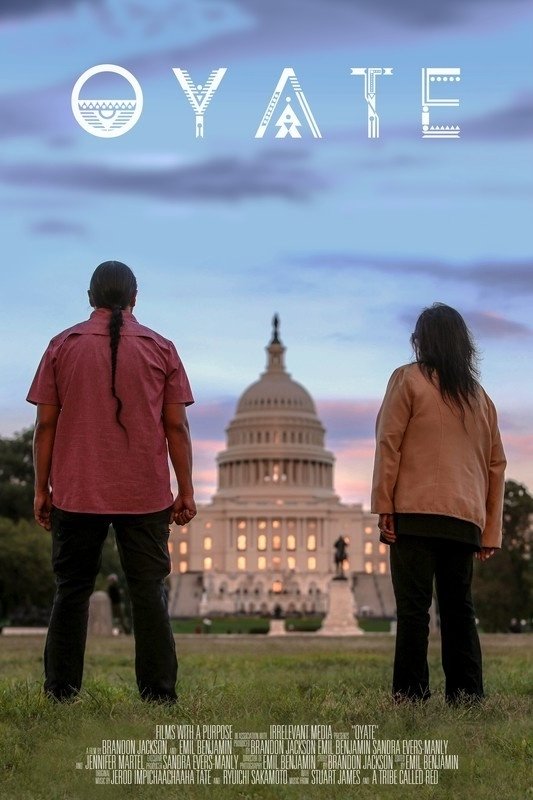
In the wake of the Dakota Access Pipeline Protests, Indigenous People across the nation are using their newfound platform to shed light on the wide array of injustices committed against them for centuries in an effort to wake up the world and embark upon the process of decolonization.