Story Structure — 5 Plot Phases
From Slavery To Control
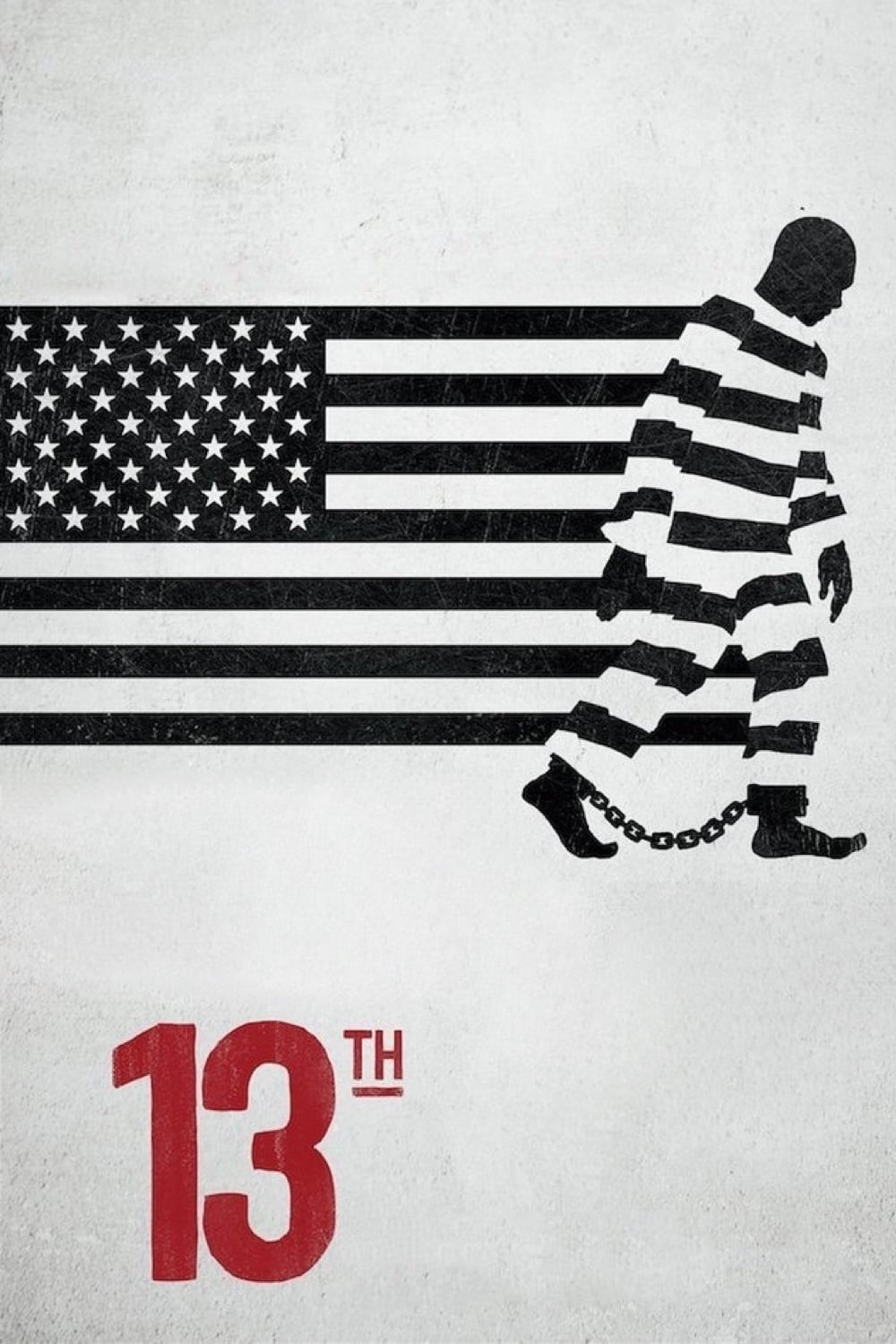
The film introduces the prison disparity and traces its historical roots through slavery, convict leasing, disenfranchisement, and Jim Crow. These systems are presented as connected forms of racial control.
Key Events
-
Prison Population Contrast — The film opens by contrasting the United States population share with its much larger share of the world's prisoners.
Location: United States
-
Expert Testimonies — Activists, academics, political figures, and public figures introduce competing perspectives on incarceration.
Location: Interview settings
-
Economic Roots Of Slavery — The film connects American slavery to economic interests and later systems of racial control.
Location: Historical United States
-
Criminalizing Freedmen — Minor offenses were criminalized, and freedmen unable to pay fines were forced to work.
Location: Southern states
-
Convict Leasing Expands — Convict leasing institutionalized forced labor and created incentives to criminalize additional behavior.
Location: Southern states
-
Political Disenfranchisement — The film describes Black political exclusion, including exclusion from juries, alongside widespread racial violence.
Location: The American South
-
Jim Crow Segregation — Jim Crow laws legalized segregation and enforced second-class status for minorities.
Location: The American South
Rights And Punishment
Civil rights legislation changed the legal framework, but political campaigns around crime and drugs produced new forms of punishment. The film emphasizes the expansion of mandatory and lengthy sentencing.
Key Events
-
Jim Crow Segregation — Jim Crow laws legalized segregation and enforced second-class status for minorities.
Location: The American South
-
Civil Rights Gains — Civil rights legislation in the 1960s restored legal rights and changed the political landscape.
Location: United States
-
War On Crime Politics — Political appeals centered on fighting crime and drugs, accompanied by mandatory and lengthy sentences.
Location: United States
-
Bipartisan Policy Shift — The film states that politicians from both major parties supported expanding the war on drugs.
Location: United States
-
Incarceration Surges — From the early 1970s onward, incarceration and prison populations climbed dramatically.
Location: United States prisons
The Prison Economy
The documentary examines the growth of incarceration alongside declining crime rates. Private prison companies, rural jobs, and legislative incentives are shown as sustaining pressure for fuller prisons.
Key Events
-
Incarceration Surges — From the early 1970s onward, incarceration and prison populations climbed dramatically.
Location: United States prisons
-
Crime Rate Contradiction — The film contrasts rising imprisonment with a declining crime rate since the late twentieth century.
Location: United States
-
Fear Based Campaigning — The film describes political claims that generated fear of crime despite contrary crime data.
Location: New York City
-
Private Prison Incentives — Private prison contractors and local economies gained incentives to support arrests, long sentences, and full prisons.
Location: Rural prison communities
-
Federal Contract Review — The federal Bureau of Prisons announced an intention to stop contracting with private prison providers.
Location: Federal Bureau of Prisons
-
Families Damaged — The film describes over-incarceration as damaging generations of Black and minority families and children.
Location: Minority communities
Systems And Consequences
The film connects corporate-backed model legislation with the damage caused to minority families and children. Corporate criticism and withdrawal provide a limited institutional response.
Key Events
-
Families Damaged — The film describes over-incarceration as damaging generations of Black and minority families and children.
Location: Minority communities
-
ALEC Legislative Network — A corporate-backed legislative organization is presented as supplying model laws supporting the prison-industrial complex.
Location: State and federal legislatures
-
Corporate Withdrawals — After relationships were revealed, corporations faced criticism and some withdrew from the organization.
Location: Corporate and legislative institutions
Recorded Violence
The closing section examines fear, police brutality, and fatal shootings of unarmed minorities. Graphic recordings transform the documentary's historical argument into an immediate emotional reckoning.
Key Events
-
Police Violence Evidence — Recorded footage documents fatal police shootings of unarmed minorities during apparently minor confrontations.
Location: Minority communities
-
Graphic Closing Montage — The film ends with graphic footage of fatal police shootings, turning the preceding argument into an emotional closing indictment.
Location: United States