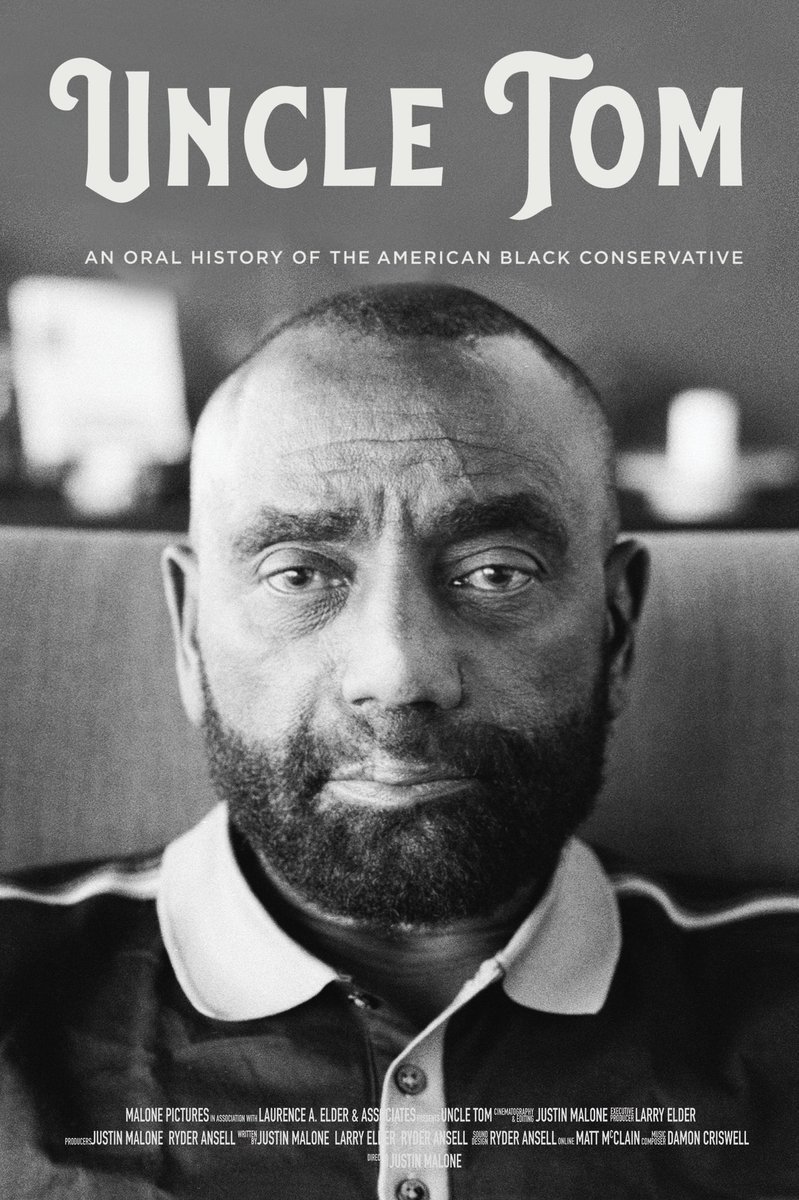
Plot Analysis Summary
The documentary presents competing perspectives on Black political identity, opportunity, community challenges, and outreach, ending without resolving how best to advance opportunity.
Story Structure — 4 Plot Phases
The Weight of a Political Label
Black speakers describe being insulted as “Uncle Toms” and recount racist online abuse. They explain that their political views arise from personal experience and broad concern, while disputing assumptions about their motives.
Key Events
-
Opening Accounts of the Label — Black speakers describe being called “Uncle Toms” for expressing unexpected political views.
Location: Unspecified interview setting
-
Online Racist Abuse — Speakers recount receiving racist slurs online alongside accusations about their views.
Location: Unspecified interview setting
-
Explaining Political Convictions — Speakers say their positions reflect broad concern and personal experience, not a desire for approval.
Location: Unspecified interview setting
-
Disputed Personal Experience — One speaker describes the African-American experience as largely positive, while others challenge assumptions about Black conservatives.
Location: Unspecified interview setting
Opportunity and Personal Responsibility
The discussion weighs opportunity, responsibility, and continuing barriers. A family business story and an account of farm life illustrate speakers' arguments about effort and independence.
Key Events
-
Debate on Opportunity — Speakers debate America, opportunity, personal responsibility, and barriers facing Black communities.
Location: Unspecified interview setting
-
A Family Business Story — A speaker describes a father born in the Jim Crow South who built a small business and raised educated children.
Location: Unspecified interview setting
-
Independence Through Farming — A speaker says raising animals on a modest farm encourages independence and reduces reliance on government.
Location: A modest farm
History and Divided Narratives
Historical footage and commentary trace a shift in Black political allegiance and discuss social programs and civil-rights legislation. Speakers then debate the influence of political leaders and media, as well as conditions in Black communities.
Key Events
-
Historical Party Realignment — The film traces Black political allegiance from earlier Republican identification to a lasting Democratic shift.
Location: Historical footage and commentary
-
Programs and Civil Rights — Commentary connects the political shift to social programs and civil-rights legislation.
Location: Historical footage and commentary
-
Competing Media Narratives — Speakers disagree about how political leaders and media shape narratives about Black voters.
Location: Unspecified interview setting
-
Policing and Political Anger — Some speakers argue anger over policing and community conditions is encouraged for political advantage.
Location: Unspecified interview setting
-
Dangerous City Conditions — Other speakers point to neglected, dangerous cities and a lack of meaningful alternatives.
Location: Unspecified interview setting
The Unfinished Outreach Debate
The film recalls calls for nonviolence and argues that destructive unrest can hinder communities. It closes with a Republican mayoral candidate's account of limited party support and an unresolved appeal for serious political outreach.
Key Events
-
Nonviolence and Unrest — The film recalls calls for nonviolence and argues destructive unrest can obstruct community prosperity.
Location: Historical footage and commentary
-
Campaigning in a Black Community — A Republican mayoral candidate describes campaigning there while receiving less party-strategist support than expected.
Location: A historically Black community
-
Unresolved Outreach Appeal — Speakers urge serious outreach to minority communities, leaving the debate over opportunity unresolved.
Location: Unspecified closing discussion