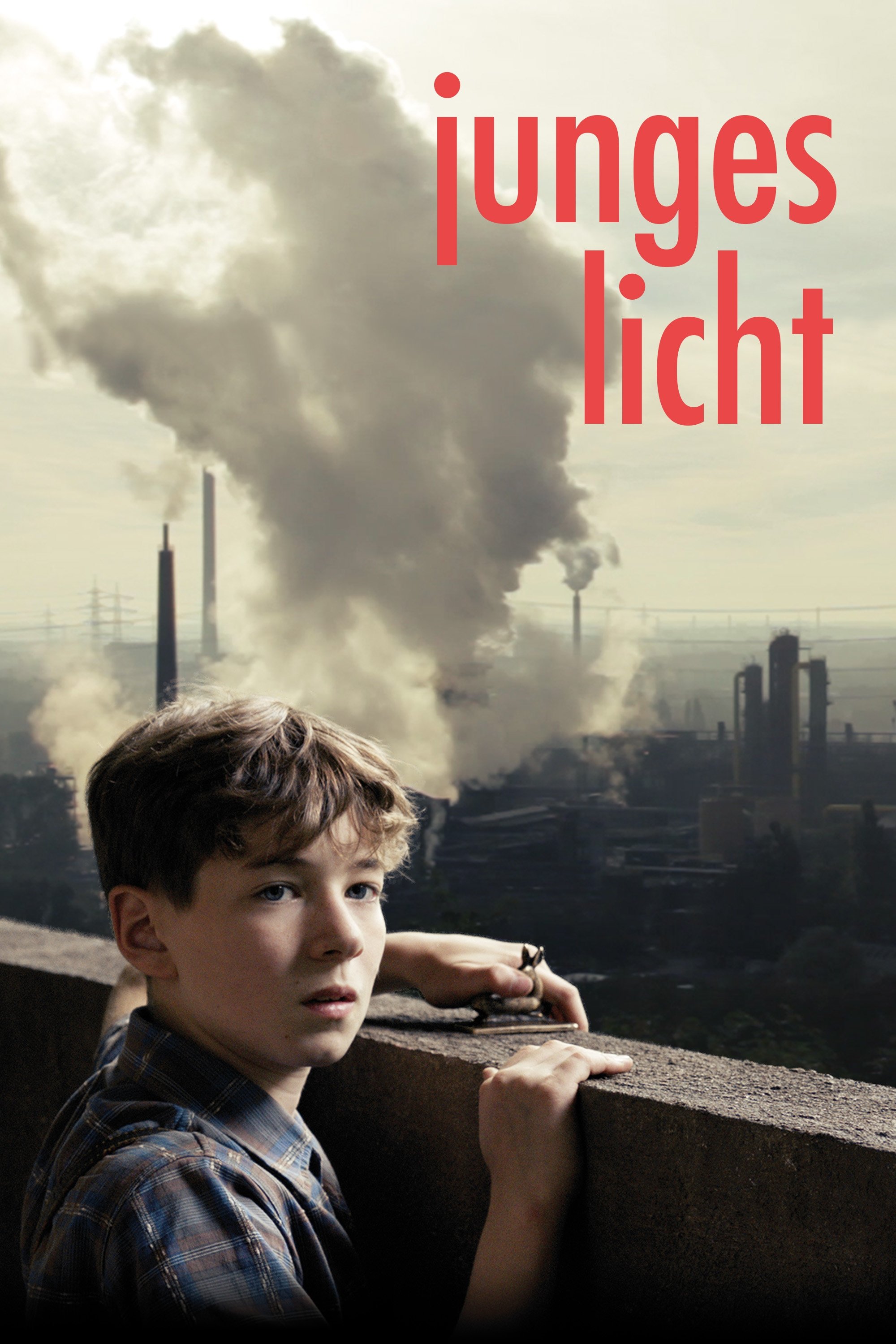
Plot Analysis Summary
A post-war coming-of-age story exploring youth labor, historical memory, and cinematic adaptation in the Ruhr region.
Story Structure — 4 Plot Phases
Shadows of the Ruhr
The narrative opens in the post-war Ruhr region, establishing the harsh industrial backdrop. Twelve-year-old Julian Collien is introduced as a young worker navigating a world shaped by scarcity and resilience.
Key Events
-
Post-War Ruhr Setting — Establishes the industrial, post-war environment where the story unfolds. Characters: Julian Collien
Location: Ruhr Region, Germany
-
Julian's Introduction — Introduces 12-year-old Julian Collien as a worker's son navigating early adulthood. Characters: Julian Collien
Location: Ruhr Region
Labor and Awakening
Julian's daily life in the factories reveals the physical and emotional toll of youth labor. His observations begin to shape his understanding of class, survival, and the changing social landscape.
Key Events
-
Industrial Labor Life — Depicts the daily struggles and realities of youth labor in the post-war era. Characters: Julian Collien
Location: Factory/Worksite
Adaptation and Craft
The story shifts focus to the creative translation of Ralf Rothmann's novel into film. The screenplay collaboration between the Beckmann brothers and director Adolf Winkelmann brings historical authenticity to the screen.
Key Events
-
Literary Adaptation — Transitions from Ralf Rothmann's novel to cinematic storytelling. Characters: Julian Collien
Location: Narrative Space
-
Screenplay Collaboration — Highlights the creative process by Nils and Till Beckmann alongside the director. Characters: Julian Collien
Location: Writing Room
Recognition and Reflection
The film premieres at the Church Film Festival in Recklinghausen, earning the main award. The narrative closes by cementing the story's place in post-war German cinema and cultural memory.
Key Events
-
Festival Premiere — The film debuts at the Church Film Festival, marking its public introduction. Characters: Julian Collien
Location: Recklinghausen
-
Award Recognition — The film secures the main award, validating its artistic and historical impact. Characters: Julian Collien
Location: Award Ceremony
-
Cinematic Legacy — Concludes with the film's enduring reflection on post-war German identity. Characters: Julian Collien
Location: Cultural Memory