Story Structure — 4 Plot Phases
Historical Foundation
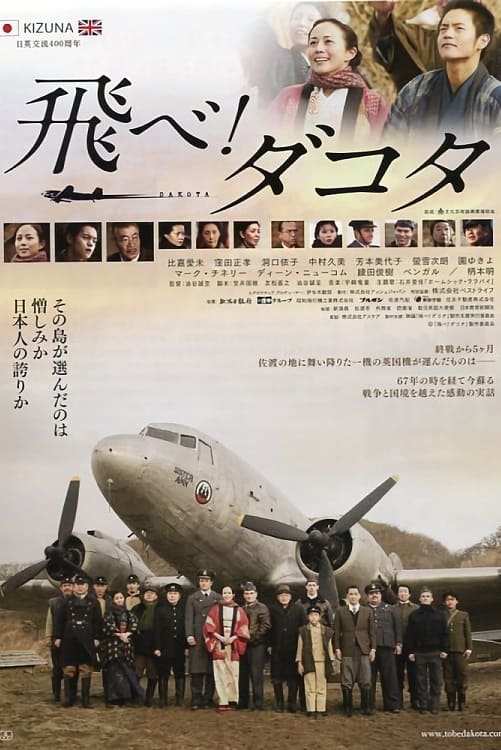
The narrative establishes its post-WWII timeline and true-story basis on Sado Island. Director Makoto Yutani frames the setting within the immediate aftermath of the Pacific War.
Key Events
-
Post-WWII Timeline Establishment — Story set five months after the conclusion of the Pacific War.
Location: Sado Island
-
Historical True Story Basis — Narrative grounded in verified historical events from the era.
Location: Sado Island
-
Director Introduction — Makoto Yutani takes helm for the historical drama adaptation.
Location: Production Studio
-
DC-3 Aircraft Introduction — Central focus shifts to the military transport plane.
Location: Airfield
-
RAF Dakota Designation Origin — Title derives from the British military nickname for the plane.
Location: Airfield
Aircraft Introduction
Focus shifts to the DC-3 transport plane and its RAF Dakota designation. Technical details of the Pratt & Whitney Twin Wasp engine are highlighted as central to the plot.
Key Events
-
RAF Dakota Designation Origin — Title derives from the British military nickname for the plane.
Location: Airfield
-
Suhama Beach Landing Site — Key coastal location established for aircraft operations.
Location: Suhama Beach, Ogi
-
Ogi Town Setting — Primary geographic backdrop for the narrative.
Location: Ogi Town, Sado
-
Kamado Village Setting — Secondary location contributing to the island atmosphere.
Location: Kamado, Ogi
-
Pratt & Whitney Engine Focus — Technical specifications of the aircraft powerplant highlighted.
Location: Hangar
-
Twin Wasp Variant Details — Specific engine model identified as the R-1830-92 Twin Wasp.
Location: Hangar
Geographic Immersion
Authentic filming locations including Suhama Beach, Ogi Town, and Kamado Village are integrated into the narrative. The island setting becomes a character in itself.
Key Events
-
Twin Wasp Variant Details — Specific engine model identified as the R-1830-92 Twin Wasp.
Location: Hangar
-
Filming Location Documentation — Production utilizes authentic coastal and village sites.
Location: Sado Island
-
Pacific War Context — Historical backdrop of the recently concluded conflict.
Location: Sado Island
-
Military Transport Role — Aircraft repurposed for post-war logistical operations.
Location: Airfield
-
Japanese Historical Drama Genre — Film classified within the historical drama tradition.
Location: Cinema
-
2013 Release Context — Movie premiered in 2013, reflecting on past events.
Location: Cinema
Cinematic Resolution
The film concludes by cementing its status as a historical drama adaptation. The legacy of the aircraft and the post-war era are preserved through cinematic storytelling.
Key Events
-
2013 Release Context — Movie premiered in 2013, reflecting on past events.
Location: Cinema
-
Aircraft Adaptation Process — Historical plane adapted for cinematic storytelling.
Location: Production Set
-
Cinematic Title Origin — Title Fly, Dakota, Fly! directly references the aircraft.
Location: Production Set
-
Real Event Adaptation — Narrative structure built around documented historical facts.
Location: Sado Island
-
Post-War Reconstruction Era — Society navigating the immediate aftermath of conflict.
Location: Sado Island
-
Historical Legacy Preservation — Film serves as a cinematic archive of the era.
Location: Sado Island