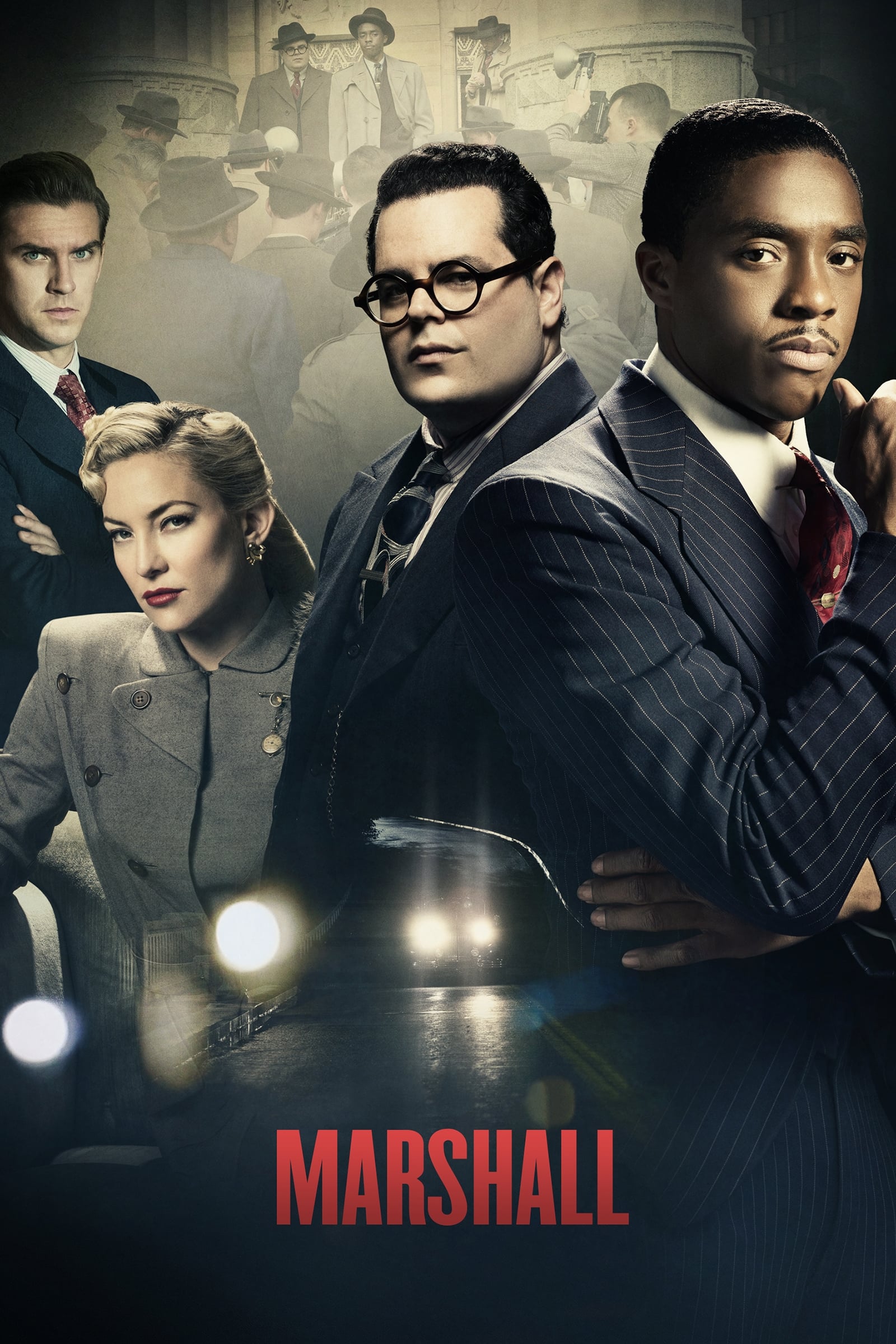
Marshall (2017) character relationship network mapped with AI analysis. Explore the connections, alliances, and conflicts between characters.
An NAACP lawyer who travels across the country defending people of color wrongly accused because of racial prejudice. He is sent to defend Joseph Spell, guides Sam Friedman through the trial after bei...
An insurance lawyer assigned to help defend Joseph Spell after Thurgood Marshall is forbidden to speak in court. Initially reluctant and inexperienced in criminal defense, he follows Marshall's strate...
A white employer who accuses Joseph Spell, her chauffeur, of rape and claims that he tied her up, drove her to a bridge, and tried to throw her over. Her testimony and physical injuries shape the pros...
A chauffeur accused by Eleanor Strubing of rape. He initially denies any sexual contact, then admits they had consensual encounters and explains that fear of torture and lynching made him conceal the...
The prosecutor in the case against Joseph Spell. He presents Eleanor Strubing's account, relies on medical evidence, questions Spell about his delayed explanation, and offers plea bargains. Even after...
Family, romantic, and professional connections based on plot evidence.
Willis relies on Strubing's testimony that she was tied in the car and assaulted.
Friedman investigates the contradictions between Strubing's testimony, the patrol stop, the bridge, and Spell's later confession.
Marshall and Friedman investigate Strubing's story, including the alleged binding, the patrol stop, and the bridge incident.
Marshall is sent to Bridgeport by the NAACP to defend Joseph Spell against the rape accusation.
Marshall is barred from speaking at trial, so he guides Friedman through notes and prepares the closing statement with him.
The court forbids Marshall from speaking during trial, forcing Friedman to become Spell's lead counsel.
Alliances, conflicts, and narrative interactions that evolve throughout the story.
Friedman cross-examines the prosecution's account, presents Spell's testimony, and delivers the defense closing against Willis's case.
Strubing accuses Spell of rape, while Spell later admits they had consensual sexual encounters and disputes her account of the bridge incident.
Willis prosecutes Spell and offers him plea bargains while questioning his credibility at trial.
Marshall leads the defense strategy against the prosecution directed by Willis, including rejecting the initial plea bargain.
A racially charged trial tests whether truth and courage can overcome institutional prejudice and fear.
Directed by Reginald Hudlin
Marshall (2017) · 7.2/10 · drama
Plot analysis generated from content on Wikipedia, licensed under CC BY-SA 4.0.
Related entry on Wikidata (Q22078078), public domain (CC0).