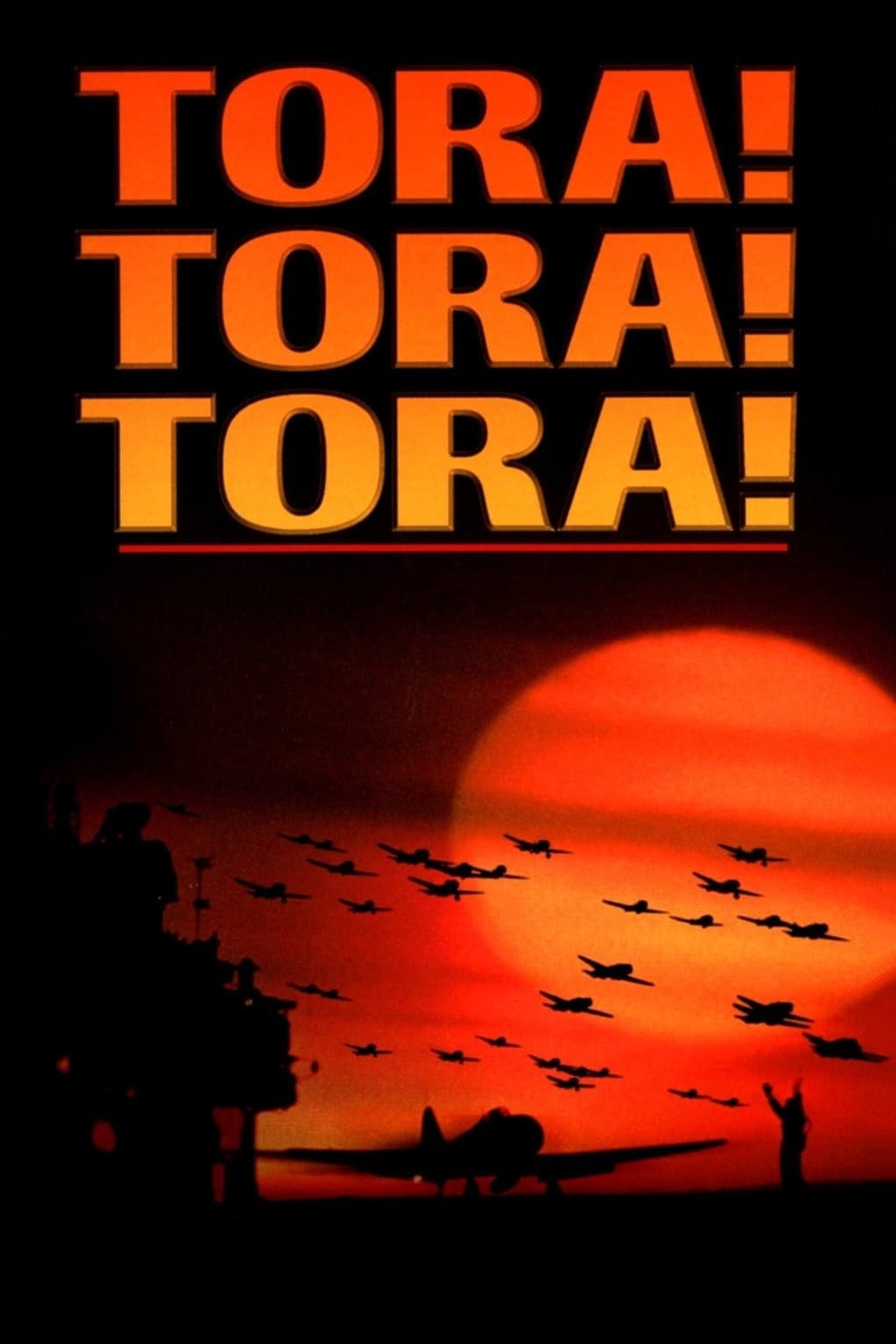
Plot Analysis Summary
The film reconstructs how strategic pressure, intelligence failures, and institutional delays culminate in the attack on Pearl Harbor and its lasting consequences.
Story Structure — 5 Plot Phases
Japan Chooses Confrontation
Economic pressure and political factionalism push Japan toward an alliance and war planning. Yamamoto reluctantly accepts responsibility for a dangerous Pacific strategy.
Key Events
-
Embargo Pressures Japan — A severe American trade embargo intensifies pressure on Japan and contributes to preparations for war.
Location: Japan
-
Axis Alliance Approved — Army figures and politicians push Japan into an alliance with Germany and Italy despite naval opposition.
Location: Japan
-
Yamamoto Accepts Command — Yamamoto becomes Commander-in-Chief and reluctantly considers a pre-emptive Pacific strike. Characters: Admiral Isoroku Yamamoto
Location: Japan
-
Pearl Harbor Plan Forms — Yamamoto concludes that Japan must quickly annihilate the American fleet at Pearl Harbor. Characters: Admiral Isoroku Yamamoto
Location: Japan
Warnings Beneath Diplomacy
American intelligence detects coded evidence of expanding Japanese naval activity. Defensive measures increase in Hawaii while diplomatic negotiations continue to conceal the military timetable.
Key Events
-
Radio Intelligence Breakthrough — American intelligence breaks the Japanese code and detects increased naval activity. Characters: Colonel Rufus S. Bratton
Location: Washington
-
Hawaii Defense Increases — Kimmel increases naval and air patrols around Hawaii as tensions rise. Characters: Admiral Husband E. Kimmel
Location: Pearl Harbor
-
Aircraft Concentrated — Aircraft are concentrated on runways to prevent sabotage, leaving them vulnerable to an air attack.
Location: Oahu airfields
-
Diplomatic Talks Stall — Japanese diplomatic negotiations continue while the military preparations proceed.
Location: Washington
The Unheard Alarm
Bratton interprets the sequence of intercepted messages as a sign of imminent attack and seeks action. Delayed decisions, transmission problems, and an unmarked telegram prevent an effective warning.
Key Events
-
Fourteen Messages Identified — Bratton learns that fourteen messages will precede the destruction of Japanese code machines. Characters: Colonel Rufus S. Bratton
Location: Washington
-
Bratton Seeks Action — Bratton deduces that the messages signal a coming surprise attack and tries to warn his superiors. Characters: Colonel Rufus S. Bratton
Location: Washington
-
Warning Delayed — Indecision over notification prevents the intelligence warning from reaching Hawaii promptly.
Location: Washington
-
Telegram Fails Transmission — Atmospheric conditions block radio transmission, while the warning telegram is not marked urgent.
Location: Washington to Hawaii
Surprise Over Hawaii
The Japanese fleet launches its aircraft while radar and submarine reports are dismissed. The attack begins with complete surprise and devastates Pearl Harbor.
Key Events
-
Japanese Fleet Launches — The Japanese fleet launches its aircraft at dawn on December 7, 1941. Characters: Admiral Isoroku Yamamoto
Location: North Pacific
-
Radar Contact Dismissed — Two radar operators detect approaching aircraft, but the report is dismissed by the duty officer.
Location: Oahu radar station
-
Submarine Warning Dismissed — A report claiming that a miniature submarine was sunk near the harbor entrance is treated as unimportant.
Location: Pearl Harbor entrance
-
Tora Surprise Signal — The Japanese achieve total surprise, and the attack leader signals success with “Tora! Tora! Tora!”
Location: Pearl Harbor
-
Pearl Harbor Devastated — Japanese aircraft sink or damage battleships and destroy American aircraft concentrated on the ground. Characters: Admiral Husband E. Kimmel
Location: Pearl Harbor
Victory With Consequences
The late diplomatic message exposes that the attack began before the formal end of negotiations. The absence of American aircraft carriers and the delayed warning complicate the Japanese victory.
Key Events
-
Diplomatic Ultimatum Arrives — The Japanese ultimatum reaches American officials after the attack has already begun.
Location: Washington
-
Third Wave Abandoned — The Japanese fleet commander refuses a scheduled third wave because of the danger from American submarines.
Location: Japanese fleet
-
Primary Targets Missing — Yamamoto learns that the American aircraft carriers were absent from Pearl Harbor during the attack. Characters: Admiral Isoroku Yamamoto
Location: Japanese flagship
-
Warning Reaches Hawaii — Kimmel finally receives the warning of impending danger hours after the attack has ended. Characters: Admiral Husband E. Kimmel
Location: Pearl Harbor
-
Sleeping Giant Awakened — Yamamoto laments the delayed declaration of war and fears the attack has awakened American resolve. Characters: Admiral Isoroku Yamamoto
Location: Japanese flagship