Story Structure — 4 Plot Phases
Media Messages Take Hold
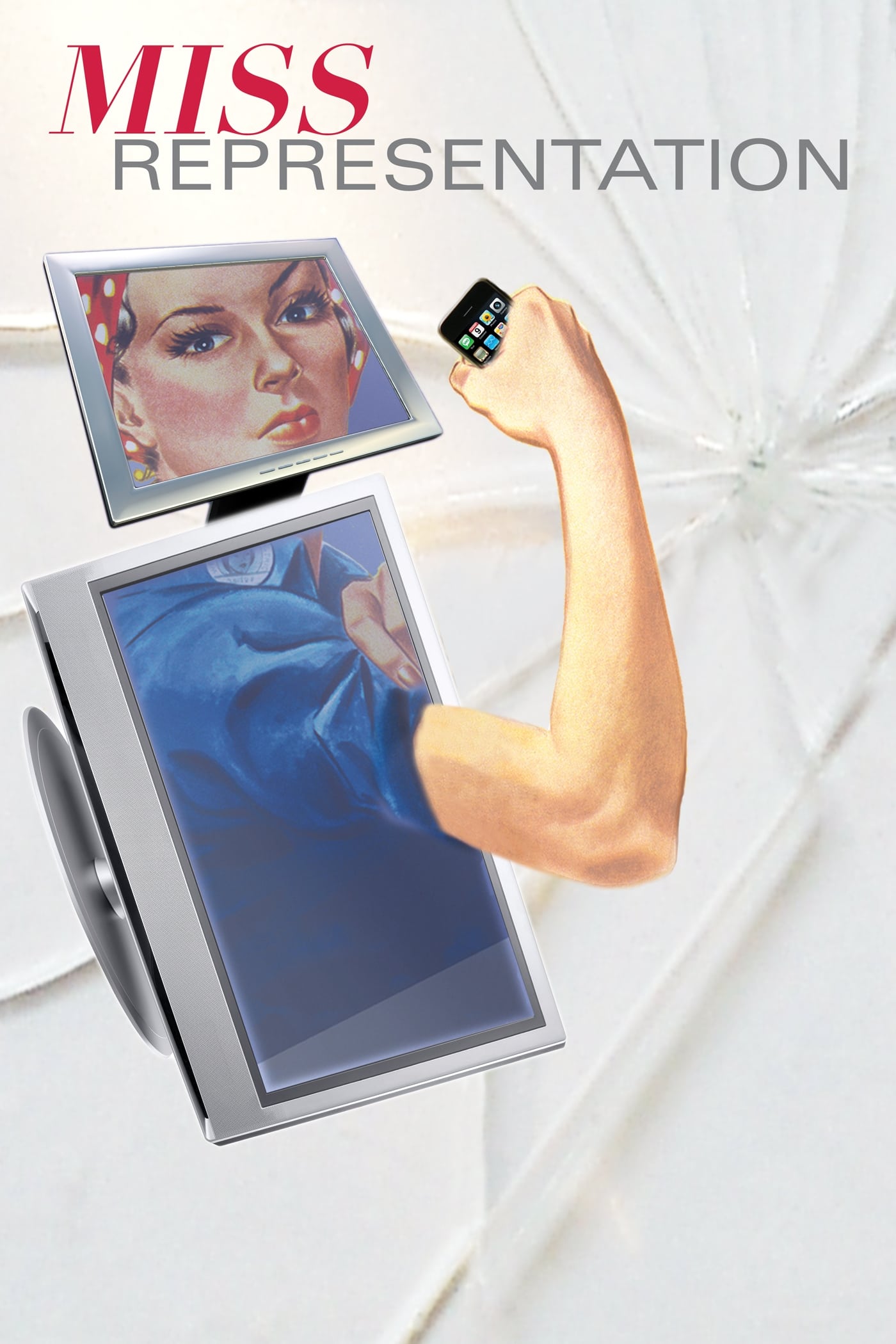
The documentary examines how media and technology shape public life and children's emotions. It argues that gender messages are pervasive and teach girls to connect worth with appearance.
Key Events
-
Media Shapes Public Life — The documentary examines how media and technology shape public life, politics, and children's emotions.
Location: Media landscape
-
Gender Messages Everywhere — Interviewees describe gender messages reaching children through advertising, television, films, games, and online platforms.
Location: Everyday media environment
-
Appearance Defines Worth — The film argues that girls are taught to measure their worth by appearance.
Location: Media environment
-
Women's Work Overshadowed — Coverage of women's bodies can overshadow their achievements and ideas.
Location: News and entertainment media
-
Public Women Ridiculed — The film points to scrutiny and ridicule of prominent women as an obstacle to being taken seriously.
Location: Public media coverage
Ambition Meets Bias
A young participant recounts pursuing a role in youth government and running for governor. Sexist remarks and appearance-based judgment contrast with her call for girls to support one another.
Key Events
-
Young Candidate Steps Forward — A young participant discusses joining a youth government program and running for governor.
Location: Youth government program
-
Sexist Remarks Challenge Ambition — The participant encounters sexist remarks and sees peers judged by their looks.
Location: Youth government setting
-
Girls Urged to Support Girls — Despite bias, the young participant argues that girls should support one another.
Location: Youth government setting
-
Bias Begins Early — The participant's experiences prompt reflection on how early gender bias takes hold.
Location: Documentary interview setting
Visibility and Authority
The film considers opposition to women appointed to senior public-safety roles and the abuse female broadcasters face. It links women's treatment to male-dominated hiring and decision-making in media.
Key Events
-
Women Appointed to Senior Roles — An interview account describes appointing women to senior public-safety positions.
Location: Public-safety institutions
-
Appointments Meet Opposition — The account describes opposition to qualified women in senior public-safety roles.
Location: Public-safety institutions
-
Broadcasters Face Gendered Abuse — Female broadcasters describe abuse focused on their gender and appearance.
Location: Broadcast journalism
-
Women Framed as Rivals — The film says women in similar roles are often presented as rivals.
Location: Journalism and entertainment media
Accountability and Change
The documentary challenges assumptions about audiences for stories about women and criticizes degrading imagery that reaches children with little guidance. It concludes by asking adults to challenge harmful messages and teach equality and emotional openness.
Key Events
-
Male-Dominated Decisions — Interviewees connect male-dominated hiring and decision-making to which stories are told and who is visible.
Location: Media industry
-
Absence Limits Belonging — The film argues that people may feel they have no place in a culture when their group is absent from media.
Location: Media culture
-
Audience Assumptions Challenged — Filmmakers challenge the assumption that audiences will watch stories about men but not women.
Location: Film and television industry
-
Attention Rewards Degradation — The documentary argues that shocking, sexualized, or degrading images can attract attention.
Location: Media environment
-
Children Encounter Harmful Images — The film warns that children encounter harmful images with little guidance and that objectification can contribute to excusing violence.
Location: Children's media environment
-
Adults Called to Act — The film calls on adults to challenge harmful media messages and raise boys to express emotion and respect women as equals.
Location: Home and media culture
-
Change Media Expectations — The documentary closes by emphasizing change in media culture and the expectations taught to children.
Location: Media culture and childhood