Plot Analysis Summary
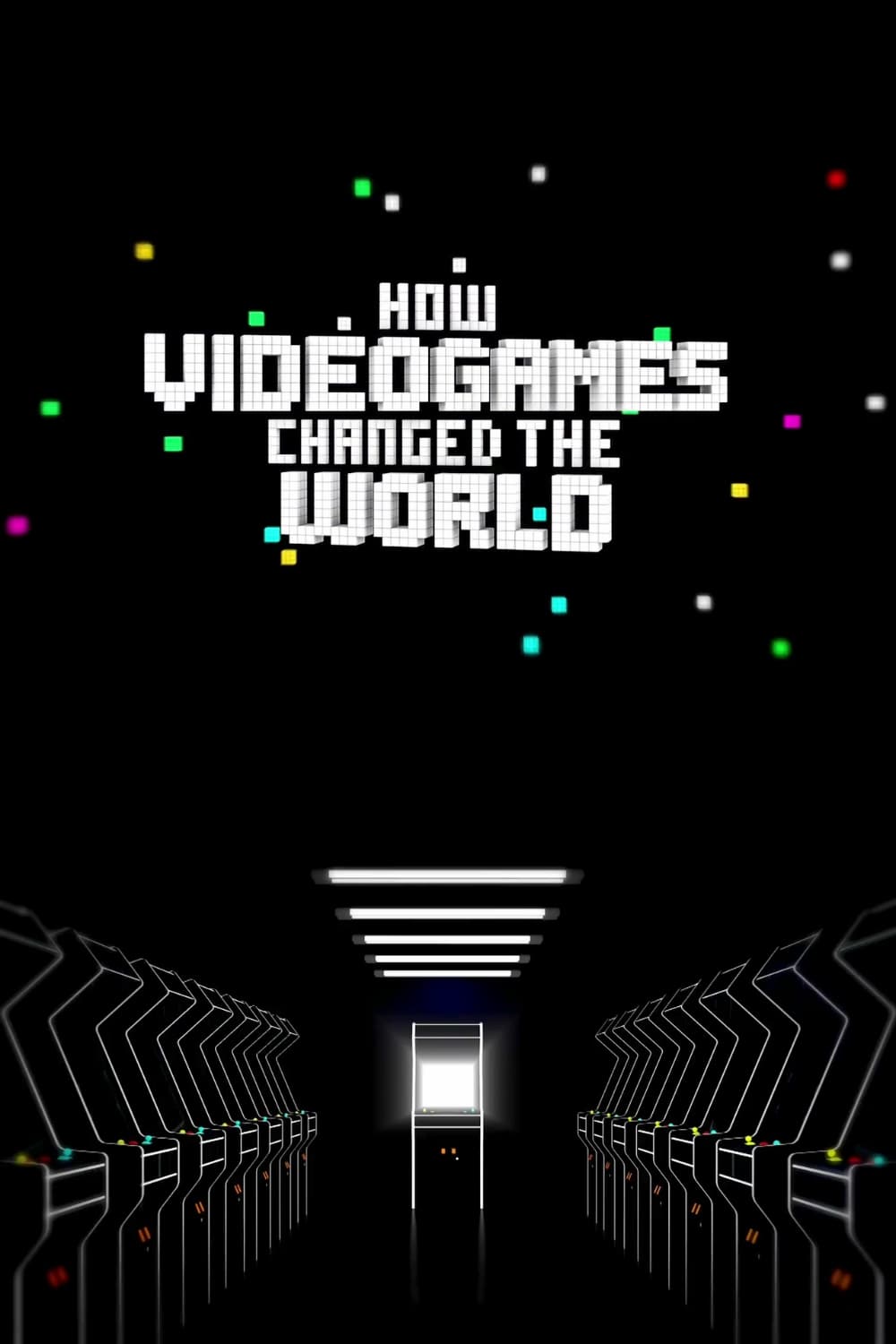
The documentary traces how videogames evolved from niche experiments into a mainstream cultural form that reshaped play, storytelling, and social participation.
Story Structure — 5 Plot Phases
From Outsiders To Everyone
The Presenter introduces gaming's changing cultural status and returns to Pong's role in establishing satisfying interactive play. The programme then examines the growth of British home computing.
Key Events
-
Documentary Introduction — The Presenter introduces a personal selection of games that changed popular culture and interaction. Characters: Presenter
Location: Television studio
-
Gaming Goes Mainstream — The programme contrasts gaming's former outsider image with its commonplace status in 2013. Characters: Presenter
Location: Television programme
-
Pong Changes Play — Pong turns a simple table-tennis simulation into the first truly successful videogame. Characters: Presenter
Location: Early videogame history
-
Interactive Satisfaction — The documentary explains the surprising satisfaction produced by basic interactive play. Characters: Presenter
Location: Early arcade culture
-
Home Computing Expands — British home computing grows around rival communities and competing machines. Characters: Presenter
Location: British home computing
-
Spectrum And Commodore Rivalry — The documentary presents playful hostility between Spectrum and Commodore 64 communities. Characters: Presenter
Location: British home computing
Machines And Playful Rivalries
Spectrum and Commodore 64 communities are contrasted with the BBC Micro's educational reputation. An everyday lawn-mowing incident illustrates how ordinary life can inspire comedic game design.
Key Events
-
Spectrum And Commodore Rivalry — The documentary presents playful hostility between Spectrum and Commodore 64 communities. Characters: Presenter
Location: British home computing
-
BBC Micro Reputation — The BBC Micro is associated with an attempt to encourage computer literacy. Characters: Presenter
Location: British computer culture
-
Lawn Mowing Inspiration — An ordinary lawn-mowing incident inspires a small comedic game scenario. Characters: Presenter
Location: Everyday life
-
Monkey Island Arrives — Monkey Island brings pirate adventure, humour, and cinematic storytelling to interactive fiction. Characters: Presenter
Location: Interactive fiction
Stories And Arcade Crowds
Monkey Island is presented as a landmark in humorous, cinematic interactive fiction. Street Fighter II then shifts the focus toward combat, fashionability, and crowded arcades.
Key Events
-
Monkey Island Arrives — Monkey Island brings pirate adventure, humour, and cinematic storytelling to interactive fiction. Characters: Presenter
Location: Interactive fiction
-
Pirate Storytelling Influence — The documentary traces Monkey Island's influence and jokes about similarities to pirate films. Characters: Presenter
Location: Videogame storytelling
-
Street Fighter Phenomenon — Street Fighter II makes gaming fashionable and draws enormous crowds to arcades. Characters: Presenter
Location: Arcades
-
Combat Changes Gaming — Arcade combat demonstrates how videogames can become major social phenomena. Characters: Presenter
Location: Arcades
-
Female Adventurer Evolves — A famous female adventurer develops from a visual icon into a more relatable character. Characters: Presenter
Location: Videogame character design
Representation Under Pressure
The changing portrayal of a famous female adventurer leads into a discussion of sexism, stereotypes, online abuse, and male dominance. Mass Effect is offered as a broader mainstream example.
Key Events
-
Female Adventurer Evolves — A famous female adventurer develops from a visual icon into a more relatable character. Characters: Presenter
Location: Videogame character design
-
Sexism In Games — The programme discusses sexism, female stereotypes, online abuse, and conventional male protagonists. Characters: Presenter
Location: Videogame culture
-
Mass Effect Exception — Mass Effect is cited as a mainstream game with broader appeal. Characters: Presenter
Location: Mainstream videogame culture
Motion Makes Gaming Mainstream
The documentary questions the idea that videogames are uniquely sedentary by comparing them with television box sets. Wii Sports closes the programme by emphasizing accessibility and shared competition.
Key Events
-
Sedentary Gaming Debate — The documentary challenges criticism that videogames are excessively sedentary. Characters: Presenter
Location: Television programme
-
Games Versus Television — Videogames are compared with the sedentary experience of watching television box sets. Characters: Presenter
Location: Television programme
-
Wii Sports Accessibility — Wii Sports uses motion controls to make participation accessible to families and newcomers. Characters: Presenter
Location: Family living room
-
Equal Competition — Motion controls allow older players and newcomers to compete on more equal terms. Characters: Presenter
Location: Family living room
-
Mainstream Gaming Confirmed — Wii Sports concludes the programme's argument that gaming has become increasingly mainstream. Characters: Presenter
Location: Television programme