Story Structure — 5 Plot Phases
A Neighborhood's Basketball Dream
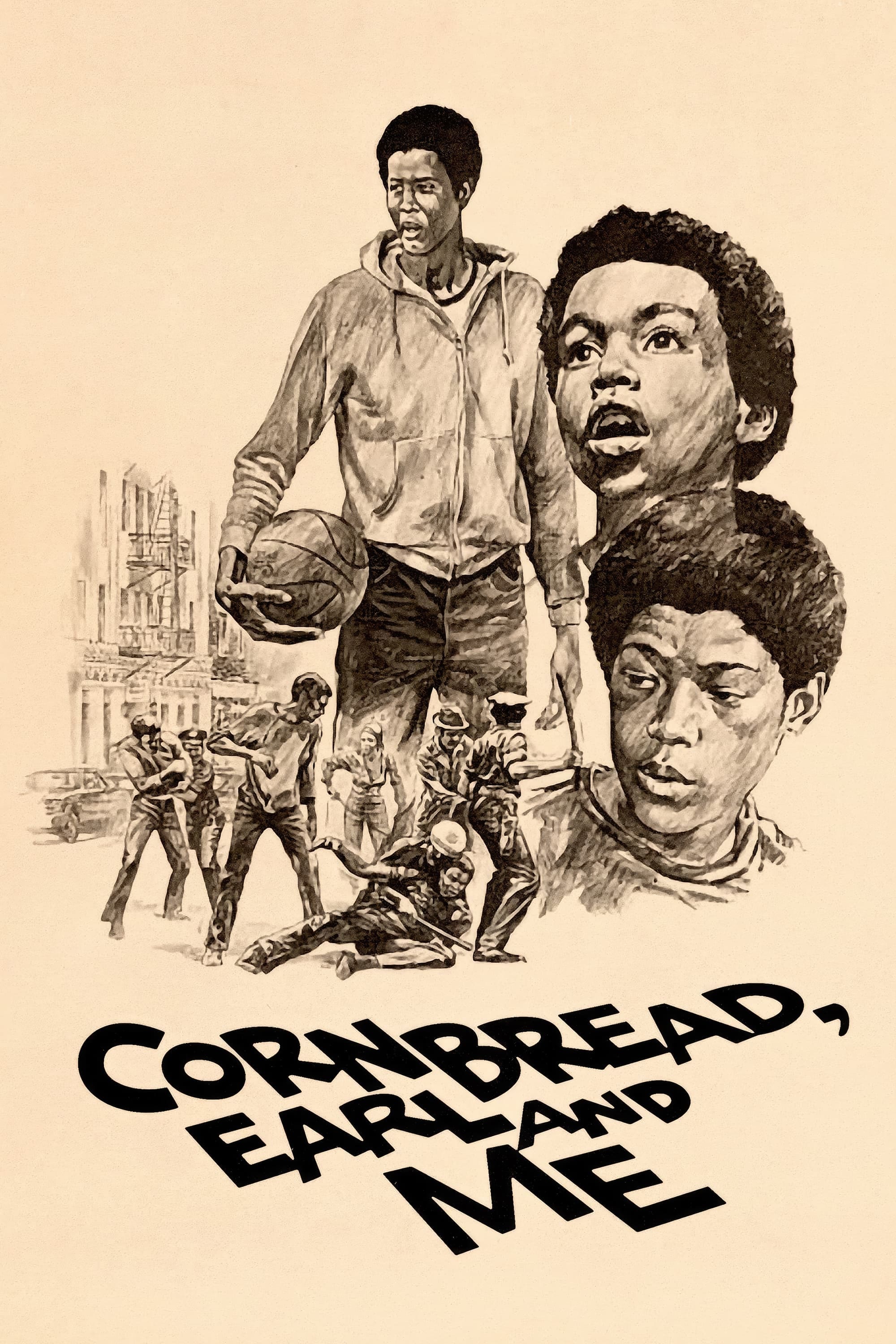
Cornbread is established as a star basketball player and a local hero to Earl and Wilford. The youths share a neighborhood world shaped by admiration and athletic promise.
Key Events
-
Neighborhood Basketball Game — Cornbread plays basketball while Earl and Wilford look up to him. Characters: Nathaniel 'Cornbread' Hamilton, Earl Carter, Wilford Robinson
Location: Urban neighborhood basketball court
-
Rain Ends The Game — Heavy rain interrupts the pickup basketball game. Characters: Nathaniel 'Cornbread' Hamilton, Earl Carter, Wilford Robinson
Location: Neighborhood basketball court
-
Children Enter The Store — The children run to the store to wait for the rain to stop. Characters: Nathaniel 'Cornbread' Hamilton, Earl Carter, Wilford Robinson
Location: Local store
-
The Store Begins To Empty — All the children leave except Cornbread, Earl, and Wilford. Characters: Nathaniel 'Cornbread' Hamilton, Earl Carter, Wilford Robinson
Location: Local store
The Rainbound Challenge
Heavy rain drives the children into a local store, where only Cornbread, Earl, and Wilford remain. A playful argument becomes a twenty-five-second challenge that sends Cornbread outside.
Key Events
-
Playful Running Argument — Earl and Wilford argue playfully about Cornbread's running speed. Characters: Nathaniel 'Cornbread' Hamilton, Earl Carter, Wilford Robinson
Location: Local store
-
Twenty-Five Second Challenge — The youths decide Cornbread should make it home in twenty-five seconds. Characters: Nathaniel 'Cornbread' Hamilton, Earl Carter, Wilford Robinson
Location: Local store
-
Cornbread Buys A Soda — Cornbread buys another soda before beginning the run home. Characters: Nathaniel 'Cornbread' Hamilton, Earl Carter, Wilford Robinson
Location: Local store
-
Assault Suspect Escapes — An assault suspect dressed like Cornbread is pursued but disappears in the rain.
Location: Rain-soaked neighborhood
Mistaken In The Storm
An assault suspect dressed like Cornbread escapes the pursuing officers in the rain. When Cornbread runs past an alley, the officers mistake him for the suspect and shoot him.
Key Events
-
Cornbread Starts Running — Cornbread leaves the store and runs home through the rain. Characters: Nathaniel 'Cornbread' Hamilton, Earl Carter, Wilford Robinson
Location: Neighborhood street
-
Officers Emerge From Alley — Two police officers emerge from an alley while searching for the suspect. Characters: Nathaniel 'Cornbread' Hamilton
Location: Neighborhood alleyway
-
Mistaken Identity — The officers mistake the running Cornbread for the assault suspect. Characters: Nathaniel 'Cornbread' Hamilton
Location: Rainy neighborhood street
-
Fatal Shooting — The two officers fatally shoot Cornbread in the back. Characters: Nathaniel 'Cornbread' Hamilton, Wilford Robinson
Location: Neighborhood street
-
Wilford's Hysterical Scream — Wilford reacts hysterically after witnessing Cornbread's death. Characters: Wilford Robinson, Nathaniel 'Cornbread' Hamilton
Location: Neighborhood street
Riot And Suppressed Truth
Wilford's hysterical scream follows the shooting and triggers a neighborhood riot. The coroner's inquest is weakened by severe police intimidation, leaving Wilford as the only person who openly knows what happened.
Key Events
-
Neighborhood Riot Erupts — Wilford's scream is followed by a neighborhood riot. Characters: Wilford Robinson
Location: Urban neighborhood
-
Inquest Faces Intimidation — The coroner's inquest is hampered by severe police intimidation. Characters: Wilford Robinson
Location: Coroner's inquest
-
Silence Surrounds The Shooting — No one openly knows or reports what happened except Wilford. Characters: Wilford Robinson
Location: Coroner's inquest
The Witness Speaks
Wilford appears on the witness stand and recounts the shooting in graphic detail. His testimony challenges the silence and intimidation surrounding Cornbread's death.
Key Events
-
Wilford Takes The Stand — Wilford appears as a witness in court. Characters: Wilford Robinson
Location: Courtroom
-
Graphic Eyewitness Testimony — Wilford describes the shooting in graphic detail. Characters: Wilford Robinson, Nathaniel 'Cornbread' Hamilton
Location: Courtroom
-
Truth Defies Intimidation — Wilford gives an exact account despite police intimidation. Characters: Wilford Robinson
Location: Courtroom
-
Witness Preserves The Memory — Wilford's testimony preserves the account of Cornbread's death. Characters: Wilford Robinson, Nathaniel 'Cornbread' Hamilton
Location: Courtroom