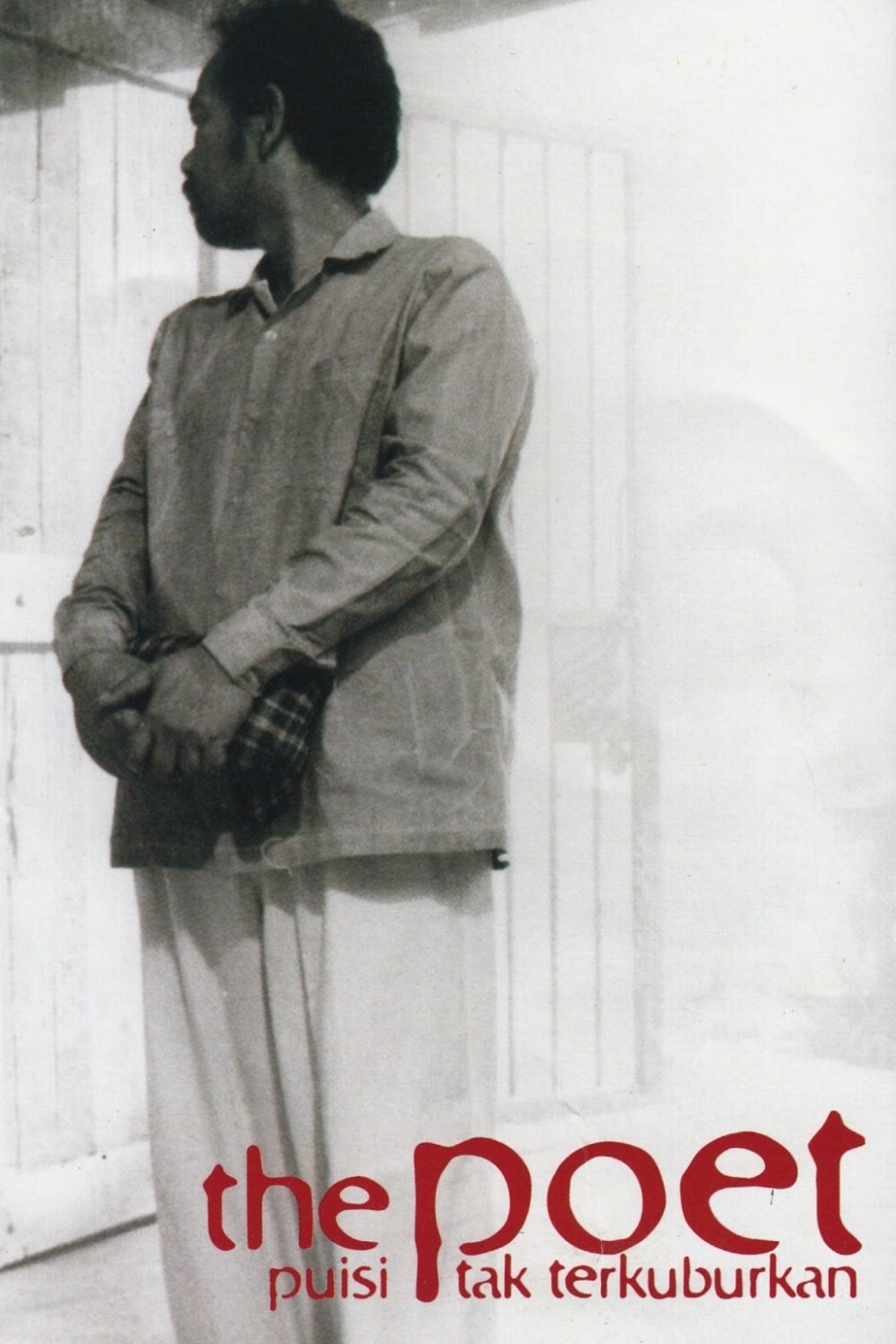
Plot Analysis Summary
A narrative exploring false imprisonment, cultural resistance, and psychological trauma during the 1965 political purges.
Story Structure — 4 Plot Phases
The False Accusation
Ibrahim Kadir is wrongfully detained in 1965 under communist sympathizer charges. He is processed into a crowded prison facility, marking the beginning of his 22-day ordeal. The political climate sets a tense backdrop for his unjust imprisonment.
Key Events
-
False Arrest in 1965 — Ibrahim Kadir is falsely arrested for alleged communist sympathies. Characters: Himself
Location: 1965 Streets
-
Prison Intake Process — Processed and locked into the detention facility under strict guard. Characters: Himself
Location: Prison Gate
-
Cell Assignment — Assigned to a crowded cell with other detainees awaiting trial. Characters: Himself
Location: Prison Cell
-
Meeting Fellow Inmates — Meets other falsely imprisoned men and establishes initial contact. Characters: Himself
Location: Prison Cell
-
1965 Political Climate — Era of political tension and widespread communist purges.
Location: 1965 Indonesia
Bonds in Captivity
Kadir meets fellow inmates and they attempt to organize mutual support. They sing traditional didong poetry to maintain morale and foster solidarity. This period offers a brief sense of hope and community amidst the harsh conditions.
Key Events
-
Meeting Fellow Inmates — Meets other falsely imprisoned men and establishes initial contact. Characters: Himself
Location: Prison Cell
-
Didong Singing Session — Group sings traditional didong poetry to maintain solidarity. Characters: Himself
Location: Prison Cell
-
Solidarity Attempt — Inmates attempt to organize and support one another against the system. Characters: Himself
Location: Prison Yard
-
First Daily Execution — Prisoners are taken outside and executed, marking a shift in tone. Characters: Himself
Location: Prison Courtyard
-
Prison Corridor — Narrow passageways where prisoners are marched to execution.
Location: Prison Complex
-
Didong Tradition — Traditional poetic form used for resistance and morale.
Location: Cultural Context
Shadows of Atrocity
Daily executions begin, drastically reducing the prisoner population. Kadir is forced to confront his memories of military atrocities against civilians. The environment shifts from communal resistance to isolated psychological trauma.
Key Events
-
First Daily Execution — Prisoners are taken outside and executed, marking a shift in tone. Characters: Himself
Location: Prison Courtyard
-
Routine Purges — Continued daily removal and execution of detainees continues. Characters: Himself
Location: Prison Courtyard
-
Military Atrocity Recall — Recalls military killings of unarmed women and children. Characters: Himself
Location: Prison Cell
-
Isolation Deepens — Cell population drops, leaving him increasingly alone. Characters: Himself
Location: Prison Cell
-
Voices of the Past — Auditory hallucinations of past victims intensify. Characters: Himself
Location: Prison Cell
-
Execution Grounds — Site of daily military executions and mass detentions.
Location: Prison Courtyard
Echoes and Release
As only a few inmates remain, Kadir experiences intense auditory hallucinations of past victims. After 22 days, he is finally processed for release. He steps out carrying the heavy psychological weight of his captivity.
Key Events
-
Voices of the Past — Auditory hallucinations of past victims intensify. Characters: Himself
Location: Prison Cell
-
Psychological Toll — Trauma and isolation weigh heavily on his mental state. Characters: Himself
Location: Prison Cell
-
Final Prisoner Count — Only a few prisoners remain in the facility. Characters: Himself
Location: Prison Cell
-
Release Processing — Authorities process his release after 22 days of detention. Characters: Himself
Location: Prison Office
-
Gate Exit — Steps out of the prison into the outside world. Characters: Himself
Location: Prison Gate
-
Post-Release Reflection — Carries the memories and trauma of his imprisonment forward. Characters: Himself
Location: Outside Streets