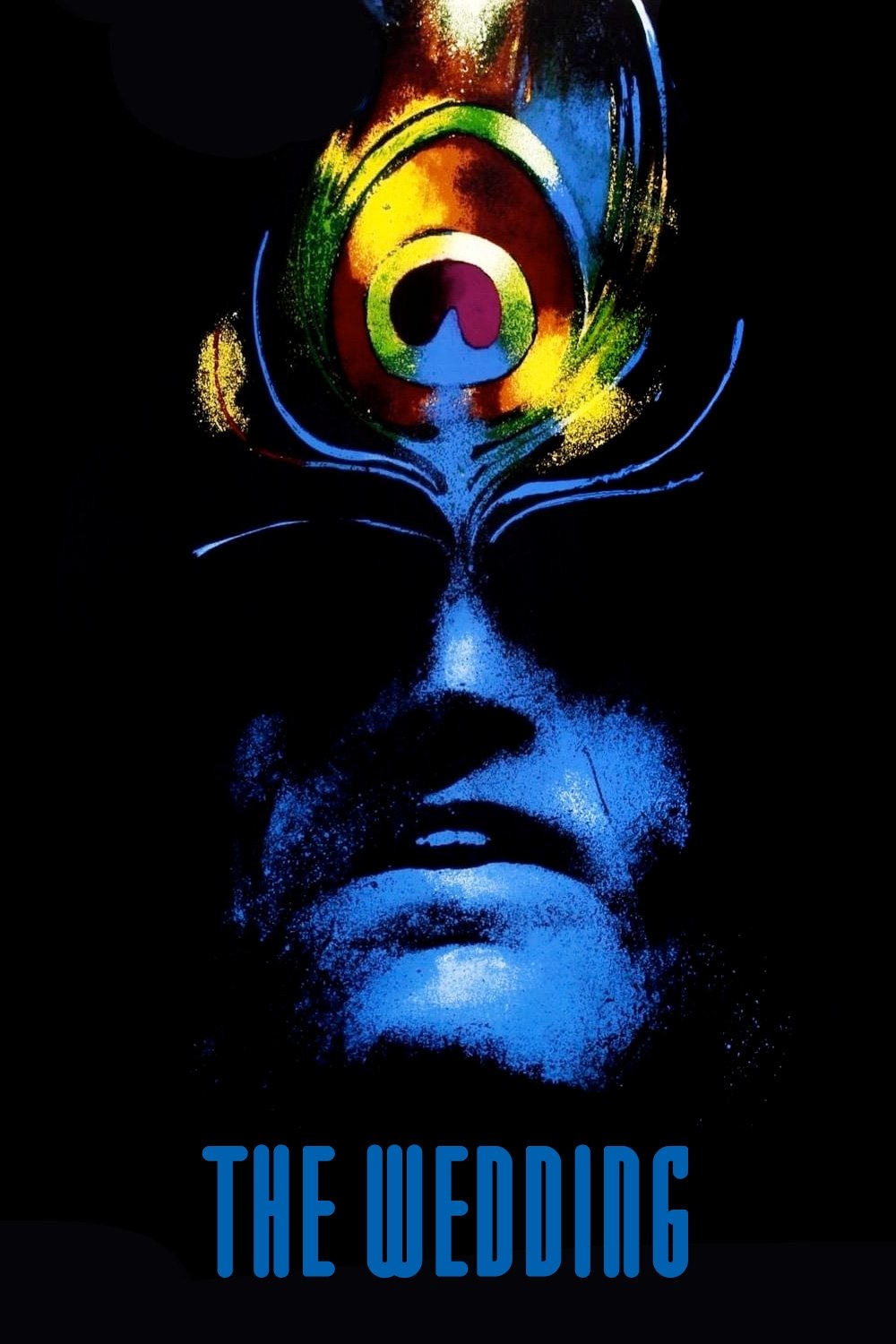
The Wedding (1973) character relationship network mapped with AI analysis. Explore the connections, alliances, and conflicts between characters.
Characters
Bride
(played by Ewa Ziętek) — supporting
The Bride is the peasant girl whose marriage to a poet begins the film's central celebration. Her wedding reception moves from the city into the villager's house, where arguments, intimacy, rest, danc...
Bridegroom
(played by Daniel Olbrychski) — supporting
The Bridegroom is the male participant in the new marriage at the center of the story. His wedding to the peasant girl provides the occasion for the reception, whose movement into the villager's house...
Poet
(played by Andrzej Łapicki) — supporting
The Poet is the writer who marries a peasant girl and stands at the center of the wedding's symbolic encounters. During the reception, he is visited by figures representing Poland's historical conscie...
Journalist / Stanczyk
(played by Wojciech Pszoniak) — minor
The Journalist / Stanczyk belongs to the symbolic figures who enter the wedding's private rooms and engage the leading characters in dialogue. This role connects public commentary and political wisdom...
Canonical Relationships
Family, romantic, and professional connections based on plot evidence.
Poet → Bride
(Family Husband And Wife) — The Poet's marriage to the Bride anchors the wedding celebration where the film's personal and national tensions emerge.
The character profile says the Poet marries a peasant girl, and the plot identifies the Bride as the bride at the wedding.
Bride → Bridegroom
(Family Spouses) — Their marriage provides the occasion for the reception, while the surrounding celebration and political unease unfold around them.
The plot describes the Bride and Bridegroom celebrating their wedding, and the character profiles identify them as newly married.
Story Dynamics
Alliances, conflicts, and narrative interactions that evolve throughout the story.
Journalist / Stanczyk → Poet
(Narrative Historical Vision Confrontation) — The wedding's symbolic visitations bring political and historical conscience into the Poet's private experience; the supplied text does not explicitly identify the Poet's apparition as the Journalist...
The character profiles describe the Journalist / Stanczyk as a symbolic figure engaging leading characters in dialogue, and the plot says the Poet con...
Poet → Bridegroom
(Narrative Same Person) — The supplied character profiles identify the Poet as the man occupying the Bridegroom's role in the wedding.
The Poet is described as the writer who marries a peasant girl, while the Bridegroom is identified as the male participant in that new marriage.
Story Analysis
A wedding celebration brings city visitors and rural guests together, exposing class divisions and national anxieties as visions disturb the night.
Plot Progression
A Wedding Across Class Lines
— City visitors and local peasants gather to celebrate the marriage. Their conversations expose contrasting views of rural life, class, love, and Poland's future.
The Poet Invites Wonders
— A young woman drawn to music and poetry asks the Poet to invite strange visitors, including the Strawman. The playful exchange precedes the shift from ordinary festivity to disturbing encounters.
Historical Visions Intrude
— The Poet confronts visions associated with betrayal, bondage, violence, and bloodshed. These encounters transform the guests' abstract discussions of national identity into a frightening presence.
Exhaustion and the Rider
— Quarrels, heavy drinking, and exhaustion unsettle the wedding party. A report of an old rider on a white horse raises the possibility of pursuit, but the guests remain uncertain.
Dreams Linger at Dawn
— The Poet voices his troubled sense of not belonging to ordinary life, while dreams, drunkenness, and visions blur together. The Bride recalls a dreamlike encounter, and the gathering remains suspended...
Directed by Andrzej Wajda
The Wedding (1973) · 7.3/10 · drama, fantasy, history
Content sources
Related entry on
Wikidata
(Q4252506), public domain (CC0).
Plot breakdown and analysis on this page are AI-generated from the title's synopsis and metadata.