Story Structure — 4 Plot Phases
Foundations of Stone
Martin Pichandu establishes himself as a master mason in a quiet Slovak village, building both physical structures and a family lineage. The era is defined by craftsmanship, stability, and generational continuity.
Key Events
-
Village Settlement — Martin arrives and establishes roots in the small Slovak village.
Location: Slovak Village
-
Masonry Apprenticeship — Martin begins learning the foundational skills of masonry.
Location: Village Workshop
-
Craft Mastery — Martin achieves professional recognition as a skilled mason.
Location: Village Square
-
Family Formation — Martin builds a household, establishing the family lineage.
Location: Family Home
-
Son's Birth — The birth of Martin's son marks the beginning of the next generation.
Location: Family Home
-
Patriarchal Mentorship — Martin teaches traditional values and craft principles to his son.
Location: Village Workshop
Heirs of the Village
The narrative shifts to the son's upbringing as he inherits his father's legacy. Traditional values clash with emerging modern influences, setting the stage for personal and societal change.
Key Events
-
Patriarchal Mentorship — Martin teaches traditional values and craft principles to his son.
Location: Village Workshop
-
Village Prosperity — The community experiences a period of economic and social stability.
Location: Slovak Village
-
Generational Shift — The narrative focus transitions to the son's coming of age.
Location: Village Square
-
Son's Education — The son receives formal education beyond traditional craft training.
Location: Village School
-
Political Awareness — The son becomes exposed to emerging political ideologies and debates.
Location: Village Tavern
-
Social Unrest Begins — Community tensions rise as socio-political crises intensify.
Location: Village Streets
Shadows of Crisis
Socio-political tensions fracture village peace as nationalist movements and economic hardship take hold. The son navigates ideological divides and faces mounting pressure from external forces.
Key Events
-
Social Unrest Begins — Community tensions rise as socio-political crises intensify.
Location: Village Streets
-
Father-Son Conflict — Diverging worldviews create friction between the traditional father and modern son.
Location: Family Home
-
Economic Hardship — Financial instability strains the village and the son's livelihood.
Location: Village Market
-
Nationalist Sentiments — Rising nationalist fervor influences the son's political alignment.
Location: Public Hall
-
Draft Notices Arrive — Military conscription orders are distributed, threatening village youth.
Location: Village Post Office
-
Departure for Front — The son leaves the village to join the war effort.
Location: Train Station
Echoes of War
The outbreak of World War I forces the son into military service, transforming personal struggles into collective tragedy. The saga closes with reflection on sacrifice, memory, and the enduring spirit of the village.
Key Events
-
Departure for Front — The son leaves the village to join the war effort.
Location: Train Station
-
War Escalation — The conflict intensifies, testing the son's resolve and survival.
Location: Battlefield
-
Tragic Realization — The son confronts the brutal reality and human cost of the war.
Location: Trenches
-
Legacy of Sacrifice — The community honors those lost, reflecting on the war's impact.
Location: Village Cemetery
-
Historical Reflection — The saga concludes with a quiet acknowledgment of endurance and memory.
Location: Slovak Village
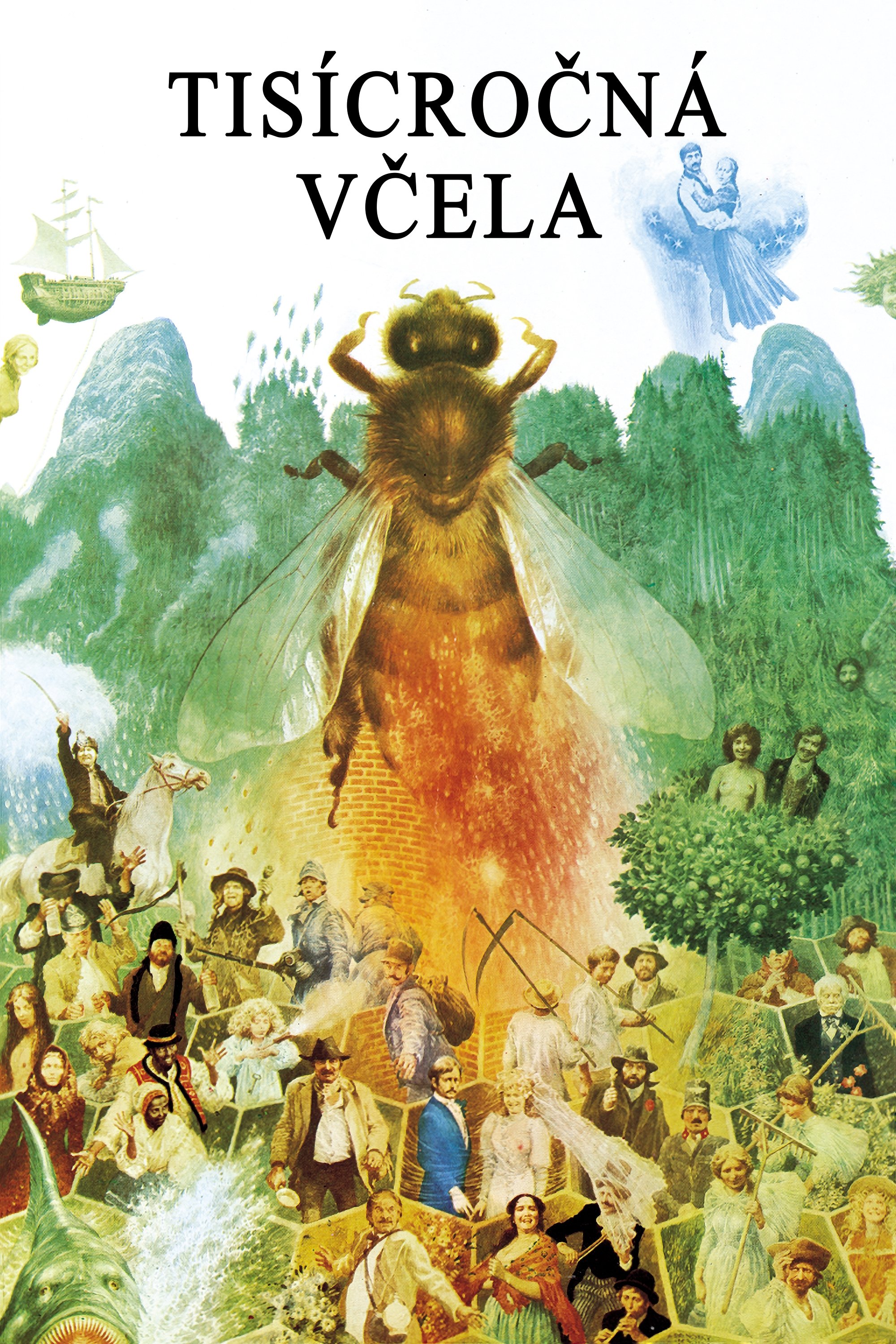
A family saga taking place mostly in a small Slovak village over a period of thirty years (1887–1917). The first part captures the life of Martin Pichandu in the development of his craft, masonry; in the second part, his son is center stage living in a period of socio-political crisis, which ultimately results in the first World War. After originally airing on Czechoslovakian television in 1983 as a four-part 226-minute mini-series, this production received a 163-minute theatrical release in 1984.