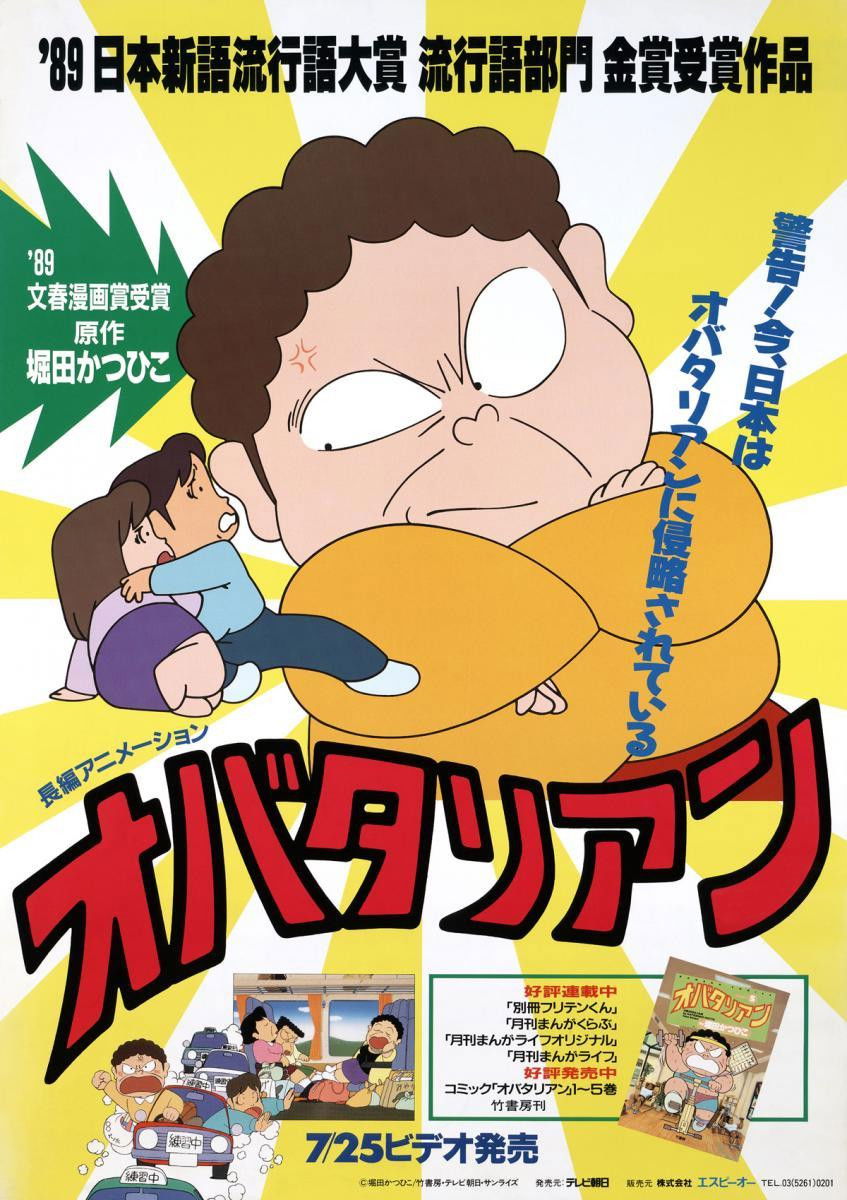
Background and adaptation history of the 1990 anime series based on a late-1980s manga.
Story Breakdown
Manga Origins — Initial publication details and creator background.
Creator & Publisher — Katsuhiko Hotta published via Takeshobo.
Serialization Period — Ran in Manga Life from 1988 to 1998.
Anime Adaptation — Transition from print to television animation.
Production Studio — Animated by Sunrise in 1990.
Broadcast Network — Aired on TV Asahi channel.
Title Etymology — Linguistic construction and wordplay behind the name.
Japanese Wordplay — Combines oba (middle-aged woman) and Battalion.
Film Reference — Parodies the 1985 film The Return of the Living Dead.
Cultural Context — Societal relevance and terminology of the era.
Buzzword Status — Became a popular late-1980s Japanese term.
Generational Theme — Focuses on middle-aged women in comedic settings.
Awards & Recognition — Critical acclaim and industry validation.
Manga Award — Won the 1989 Bungeishunjū Manga Award.
Industry Impact — Established the franchise's cultural footprint.
Genre Classification — Stylistic and thematic categorization of the work.
Format Style — Originally structured as a yonkoma manga series.
Comedic Tone — Blends zombie comedy tropes with slice-of-life humor.
The pejorative word obatalian is a pun between the Japanese word obaasan (old lady) and the English word battalion. Obatalian are known to always enter a train running as fast as they can, bumping others people in order to catch a free seat before the others. They haggle things that aren't normally haggled like grocery store produce. They are fearless and pitiless, just like a battalion of barbarians. This anime is follows 6 stories of one such Obatalian and her wake of destruction.