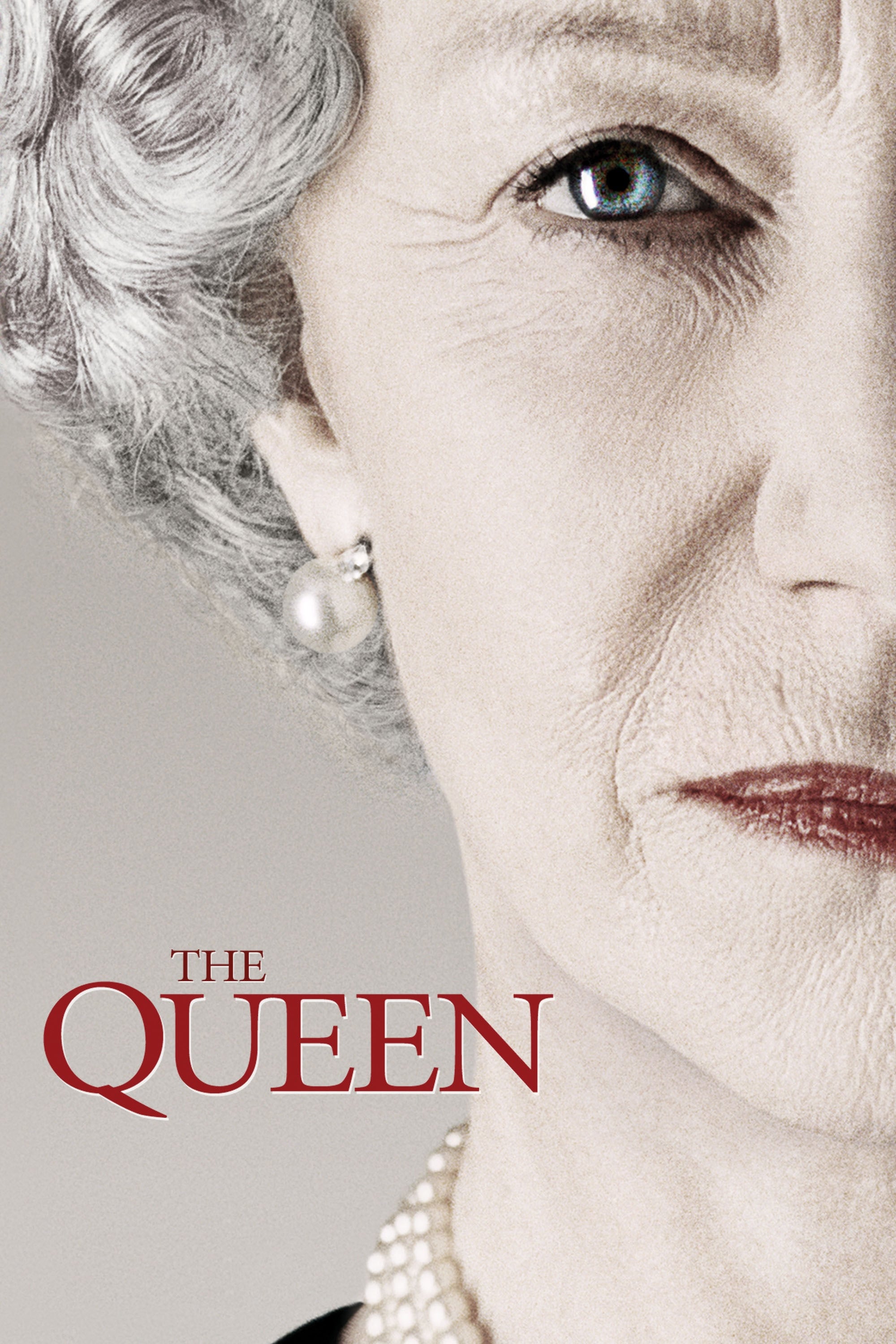
The Queen (2006) character relationship network mapped with AI analysis. Explore the connections, alliances, and conflicts between characters.
Characters
The Queen
(played by Helen Mirren) — protagonist
Britain’s reigning monarch and Prince Charles’s mother, she initially remains at Balmoral after the death of a former royal family member, prioritising her grandsons and resisting public demands. Her...
Tony Blair
(played by Michael Sheen) — protagonist
The newly elected Labour prime minister, he tries to guide the royal family through the public crisis following the death of a former royal family member. He urges The Queen to recognise the nation’s...
Prince Philip
(played by James Cromwell) — supporting
The Queen’s husband and a senior member of the royal family, he shares her indignation at public sympathy and resistance to changing the established response. He supports remaining at Balmoral and opp...
Prince Charles
(played by Alex Jennings) — supporting
The former husband of the deceased princess and a senior royal, he faces the immediate question of how her death should be publicly acknowledged because she is no longer a member of the royal family....
Canonical Relationships
Family, romantic, and professional connections based on plot evidence.
The Queen → Prince Charles
(Family Mother And Son) — Their family relationship forms part of the royal family's response to the death and the uncertainty about how it should be publicly acknowledged.
The character profiles identify The Queen as Prince Charles's mother. The plot describes Charles facing the question of how his former wife's death sh...
The Queen → Prince Philip
(Family Spouses) — Philip supports The Queen's initial position and accompanies her back to London despite their disagreement with the pressure to change course.
The character profile identifies Prince Philip as The Queen's husband. They share resistance to changing the royal family's response and return to Lon...
Story Dynamics
Alliances, conflicts, and narrative interactions that evolve throughout the story.
Prince Philip → The Queen
(related)
Prince Philip → Tony Blair
(related)
Tony Blair → Prince Charles
(Narrative Indirect Political Intermediary) — Blair's efforts to influence the royal response also address the public-acknowledgment problem facing Charles, though their connection here is indirect.
Prince Charles's private secretary encourages Blair to continue pressing The Queen to change the royal family's response. The plot does not describe a...
The Queen → Tony Blair
(Conflict Political Adversaries Turned Cautious Advisers) — Their disagreement over the monarchy's response to the public mourning drives the central conflict, and their final conversation reflects a more reciprocal understanding.
Blair urges The Queen to acknowledge the public's grief, fly the flag at half-mast, and address the country. She initially resists, but later follows...
Story Analysis
A national mourning crisis tests the monarchy's response to changing public expectations and the relationship between The Queen and Tony Blair.
Plot Progression
A New Government, A Sudden Loss
— Labour wins the election, then Diana's death forces urgent questions about how the royal family should respond. The Queen and Blair face competing expectations over mourning and funeral arrangements.
Grief Meets Royal Reserve
— Public grief becomes visible in broadcasts and enormous floral tributes while The Queen remains at Balmoral. The royal family's apparent silence contrasts with Blair's growing public approval.
Pressure on the Monarchy
— Blair struggles to defend the royal family as public anger intensifies. He presents stark opinion figures and presses The Queen for visible gestures of respect and a public address.
A Public Tribute and Its Aftermath
— The Queen recognises that the world has changed and returns to London with Philip. Her televised tribute and the royal family's attendance at the public funeral are followed by a reflective meeting wi...