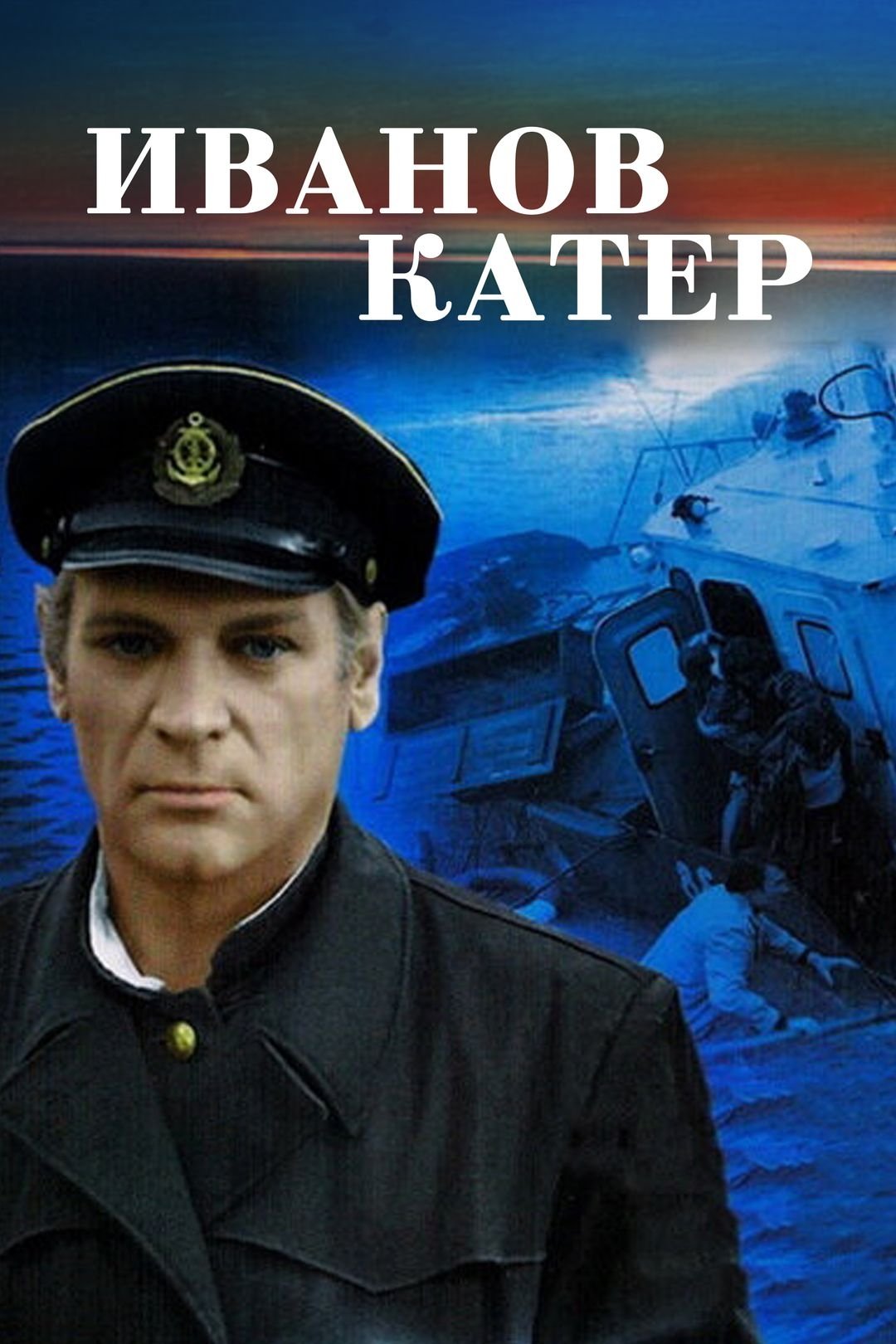
Plot Analysis Summary
Tracks the production, censorship, shelving, restoration, and critical recognition of a Soviet film over nearly two decades.
Story Structure — 4 Plot Phases
Soviet Production Era
The film is commissioned and produced at the Maxim Gorky Film Studio. Director Mark Osepian adapts Boris Vasilyev's 1970 novella into a cinematic script, overseeing principal photography and post-production.
Key Events
-
Film Production Initiation — Soviet feature film production begins under state studio oversight.
Location: Maxim Gorky Film Studio
-
Director Appointment — Mark Osepian is assigned to direct the adaptation.
Location: Studio Executive Office
-
Literary Adaptation — Screenplay developed from the eponymous 1970 novella.
Location: Screenwriters Room
-
Principal Photography — Core filming takes place on water and riverbanks.
Location: Soviet River Locations
-
Post-Production Editing — Footage is cut, scored, and finalized for submission.
Location: Studio Editing Suite
-
Maxim Gorky Film Studio — Primary production base for the film.
Location: Moscow, USSR
-
Vasilyev Novella — 1970 source material adapted for the screen.
Location: Publishing House
Censorship and Suppression
In 1974, the State Committee for Cinematography restricts the film by establishing a fourth payment category. It is subsequently banned from television broadcast and officially shelved by the state.
Key Events
-
Post-Production Editing — Footage is cut, scored, and finalized for submission.
Location: Studio Editing Suite
-
State Committee Review — Film undergoes official ideological and technical evaluation.
Location: USSR State Committee for Cinematography
-
Fourth Category Establishment — A restrictive fourth payment category is created specifically for this film.
Location: Committee Hearing
-
Television Ban Imposed — Official prohibition prevents television broadcast across the USSR.
Location: National Broadcast Network
-
USSR State Committee — Government body responsible for film censorship and distribution.
Location: Moscow, USSR
Decades of Silence
The completed film remains locked in state archives for over a decade, inaccessible to the public. Cultural and political shifts in the late 1980s eventually trigger archival recovery efforts.
Key Events
-
Archival Shelving — The completed film is removed from circulation and placed on the shelf.
Location: State Film Archive
-
Decade of Silence — The film remains inaccessible to the public for over a decade.
Location: Film Vault
-
State Film Archive — Facility where the film was stored during the ban period.
Location: Soviet Union
Restoration and Recognition
In December 1987, the film is technically restored and granted a theatrical release. It gains critical attention, culminating in a 1988 Nika Award nomination for Best Screenplay.
Key Events
-
Restoration Project Initiated — Archivists begin technical restoration in the late 1980s.
Location: Conservation Laboratory
-
December 1987 Release — Restored version finally premieres in commercial theaters.
Location: Soviet Cinema Theaters
-
Audience Reception — General audiences and critics view the long-shelved film.
Location: Public Screening Rooms
-
Critical Discourse — Scholars and journalists analyze the film's historical and artistic value.
Location: Film Journals
-
Nika Award Consideration — The film enters the selection process for the 1988 Nika Awards.
Location: Award Committee
-
Best Screenplay Nomination — Official recognition for the screenplay adaptation is announced.
Location: Award Ceremony Venue
-
Historical Legacy Cemented — The movie secures its place in Soviet cinematic history.
Location: Cultural Archives
-
Nika Award Nomination — Formal recognition of the screenplay's quality.
Location: Award Hall