Story Structure — 4 Plot Phases
Mythic Family Foundations
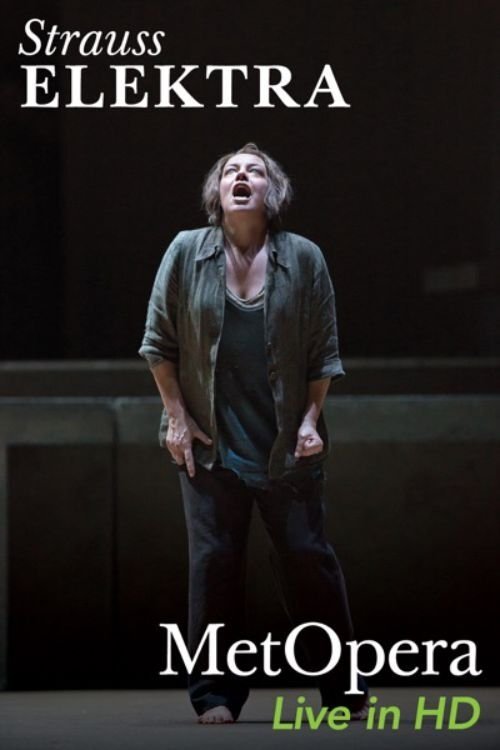
The performance introduces Elektra in the title role of Strauss's one-act drama, adapted from an ancient Greek myth. The family story and Elektra's relationship with her sister Chrysothemis form the stated dramatic foundation.
Key Events
-
Title Role Begins — Elektra appears in the title role of Strauss's one-act drama. Characters: Elektra
Location: Not specified
-
Blazing One-Act Drama — The performance presents Strauss's intense one-act dramatic work. Characters: Elektra
Location: Not specified
-
Ancient Myth Adaptation — The drama is adapted from an ancient Greek myth. Characters: Elektra, Chrysothemis
Location: Ancient Greek mythic setting
-
Family Story Emerges — The synopsis frames the drama as a terrifying family story. Characters: Elektra, Chrysothemis
Location: Not specified
-
Sisterly Presence — Chrysothemis is introduced as Elektra's sister within the family narrative. Characters: Elektra, Chrysothemis
Location: Not specified
-
Elektra's Central Role — Elektra remains the central figure of the dramatic presentation. Characters: Elektra
Location: Not specified
Chéreau's Final Vision
The opera is presented in Patrice Chéreau's acclaimed production. Its artistic significance is heightened because it was the last staging he worked on before his death in 2013.
Key Events
-
Elektra's Central Role — Elektra remains the central figure of the dramatic presentation. Characters: Elektra
Location: Not specified
-
Chéreau Production — The performance uses Patrice Chéreau's acclaimed production. Characters: Elektra, Chrysothemis
Location: Not specified
-
Acclaimed Staging — The staging is presented as an acclaimed interpretation of the drama. Characters: Elektra, Chrysothemis
Location: Not specified
-
Final Chéreau Staging — This was the last staging Chéreau worked on before his death in 2013. Characters: Elektra, Chrysothemis
Location: Not specified
-
Performance Legacy — The filmed performance carries the legacy of Chéreau's final staging. Characters: Elektra
Location: Not specified
-
Sisterly Dramatic Thread — Elektra and Chrysothemis embody the family dimension of the drama. Characters: Elektra, Chrysothemis
Location: Not specified
Heart-Wrenching Intensification
Elektra's central performance becomes increasingly emotionally charged, while the sisterly family thread remains part of the drama. Strauss's monumental score supports the presentation's intensity.
Key Events
-
Sisterly Dramatic Thread — Elektra and Chrysothemis embody the family dimension of the drama. Characters: Elektra, Chrysothemis
Location: Not specified
-
Heart-Wrenching Performance — The title performance is described as heart-wrenching. Characters: Elektra
Location: Not specified
-
Family Tension Intensifies — The family-centered drama moves toward its terrifying climax. Characters: Elektra, Chrysothemis
Location: Not specified
-
Monumental Score — Salonen conducts Strauss's monumental score during the performance. Characters: Elektra
Location: Not specified
-
Influential Music — The score is characterized as highly influential. Characters: Elektra
Location: Not specified
-
Dramatic Convergence — The family story and musical intensity converge in the later drama. Characters: Elektra, Chrysothemis
Location: Not specified
Terrifying Family Climax
The mythic family story moves toward the terrifying climax identified in the synopsis. The musical force and dramatic focus converge around Elektra's performance.
Key Events
-
Dramatic Convergence — The family story and musical intensity converge in the later drama. Characters: Elektra, Chrysothemis
Location: Not specified
-
Terrifying Climax Approaches — The synopsis explicitly leads the family story toward a terrifying climax. Characters: Elektra, Chrysothemis
Location: Not specified
-
Mythic Family Crisis — The mythic family drama reaches its most terrifying dramatic phase. Characters: Elektra, Chrysothemis
Location: Ancient Greek mythic setting
-
Climactic Resolution — The family story arrives at the climax promised by the synopsis. Characters: Elektra, Chrysothemis
Location: Not specified
-
Performance Concludes — The filmed presentation concludes after its heart-wrenching dramatic arc. Characters: Elektra, Chrysothemis
Location: Not specified