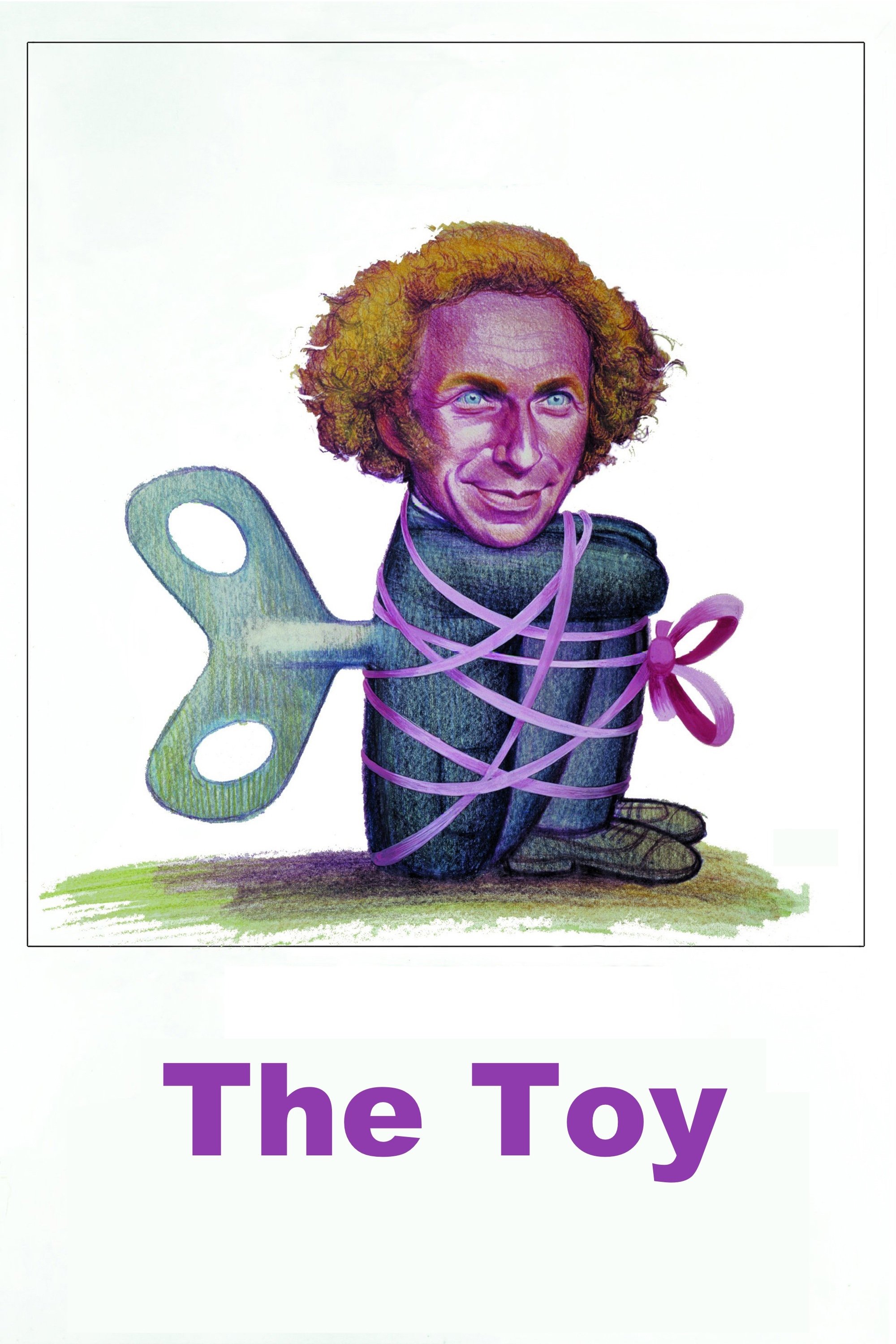
Story Structure — 4 Plot Phases
A Journalist Meets the Paper's Limits
François seeks work at the newspaper and resists the demand that he shave. He discovers that much of the paper's work consists of routine, flattering reports about Pierre and his business.
Key Events
-
François Seeks Newspaper Work — François arrives hoping to work as a journalist. Characters: François Perrin, journalist, Mr. de Blénac, editor-in-chief of the newspaper
Location: Newspaper office
-
The Beard Requirement — De Blénac says Pierre expects François to shave because he dislikes beards. Characters: François Perrin, journalist, Mr. de Blénac, editor-in-chief of the newspaper, Pierre Rambal-Cochet, powerful businessman
Location: Newspaper office
-
Routine Flattering Coverage — François learns the paper often produces flattering reports about Pierre and his business. Characters: François Perrin, journalist, Mr. de Blénac, editor-in-chief of the newspaper, Pierre Rambal-Cochet, powerful businessman
Location: Newspaper office
-
Insecure Newspaper Work — François meets colleagues who have endured unemployment and insecure work. Characters: François Perrin, journalist, Pignier, journalist with sweaty hands, The family man
Location: Newspaper office
Chosen as Eric's Toy
At Pouzier's store, Eric insists that François come home with him, and Pouzier explains his fear of refusing Pierre's request. François is taken to the estate and treated as Eric's personal plaything.
Key Events
-
Eric Chooses François — Eric becomes interested in François and insists that he come home with him. Characters: François Perrin, journalist, Eric Rambal-Cochet, son of Pierre, Georges Pouzier, owner of the toy store
Location: Toy store
-
Pouzier Explains Pierre's Request — Pouzier says Pierre asked the store to satisfy Eric and fears refusing. Characters: François Perrin, journalist, Eric Rambal-Cochet, son of Pierre, Georges Pouzier, owner of the toy store, Pierre Rambal-Cochet, powerful businessman
Location: Toy store
-
Taken to the Estate — François protests that he has a family and life of his own but is taken home with Eric. Characters: François Perrin, journalist, Eric Rambal-Cochet, son of Pierre
Location: Rambal-Cochet home
-
François Becomes the Toy — Eric gives François a new name and treats him as his personal plaything. Characters: François Perrin, journalist, Eric Rambal-Cochet, son of Pierre
Location: Rambal-Cochet home
-
The Football Wager — Eric makes each goal in a football match count toward another year of François's stay. Characters: François Perrin, journalist, Eric Rambal-Cochet, son of Pierre
Location: Rambal-Cochet home
-
Victory Does Not Free Him — François wins, but Eric refuses to let him leave and threatens to call Pierre. Characters: François Perrin, journalist, Eric Rambal-Cochet, son of Pierre
Location: Rambal-Cochet home
Resistance and Dismissal
François refuses to meet Eric's every demand, even after Eric refuses to let him leave. He learns Eric's stay with Pierre is brief, leaves the estate, is brought back, and later loses his newspaper job.
Key Events
-
Eric's Short Stay With Pierre — François learns Eric stays with Pierre only briefly each year and will soon return to his mother. Characters: François Perrin, journalist, Eric Rambal-Cochet, son of Pierre, Pierre Rambal-Cochet, powerful businessman
Location: Rambal-Cochet home
-
François Is Brought Back — François leaves, but Pierre's staff bring him back; he remains unwilling to play along. Characters: François Perrin, journalist, Eric Rambal-Cochet, son of Pierre
Location: Rambal-Cochet estate
-
Dismissal and Union Warning — After François is dismissed, a colleague warns him that union members plan to disrupt Pierre's garden party. Characters: François Perrin, journalist, The photographer, colleague of François, Pierre Rambal-Cochet, powerful businessman
Location: Newspaper office
Speaking Freely to Pierre
A colleague tells François that union members are heading to disrupt Pierre's garden party, and François returns to the estate. Pierre offers him a senior news position, but François answers that unemployment has freed him to speak openly.
Key Events
-
Return to the Estate — François returns to the estate and continues challenging the family's expectations. Characters: François Perrin, journalist, Eric Rambal-Cochet, son of Pierre, Pierre Rambal-Cochet, powerful businessman
Location: Pierre's estate
-
Pierre Offers a News Position — Pierre offers François the position of head of news. Characters: François Perrin, journalist, Pierre Rambal-Cochet, powerful businessman
Location: Pierre's estate
-
The Right to Speak Freely — François says losing his job lets him speak freely; Pierre advises him to play at something else. Characters: François Perrin, journalist, Pierre Rambal-Cochet, powerful businessman
Location: Pierre's estate