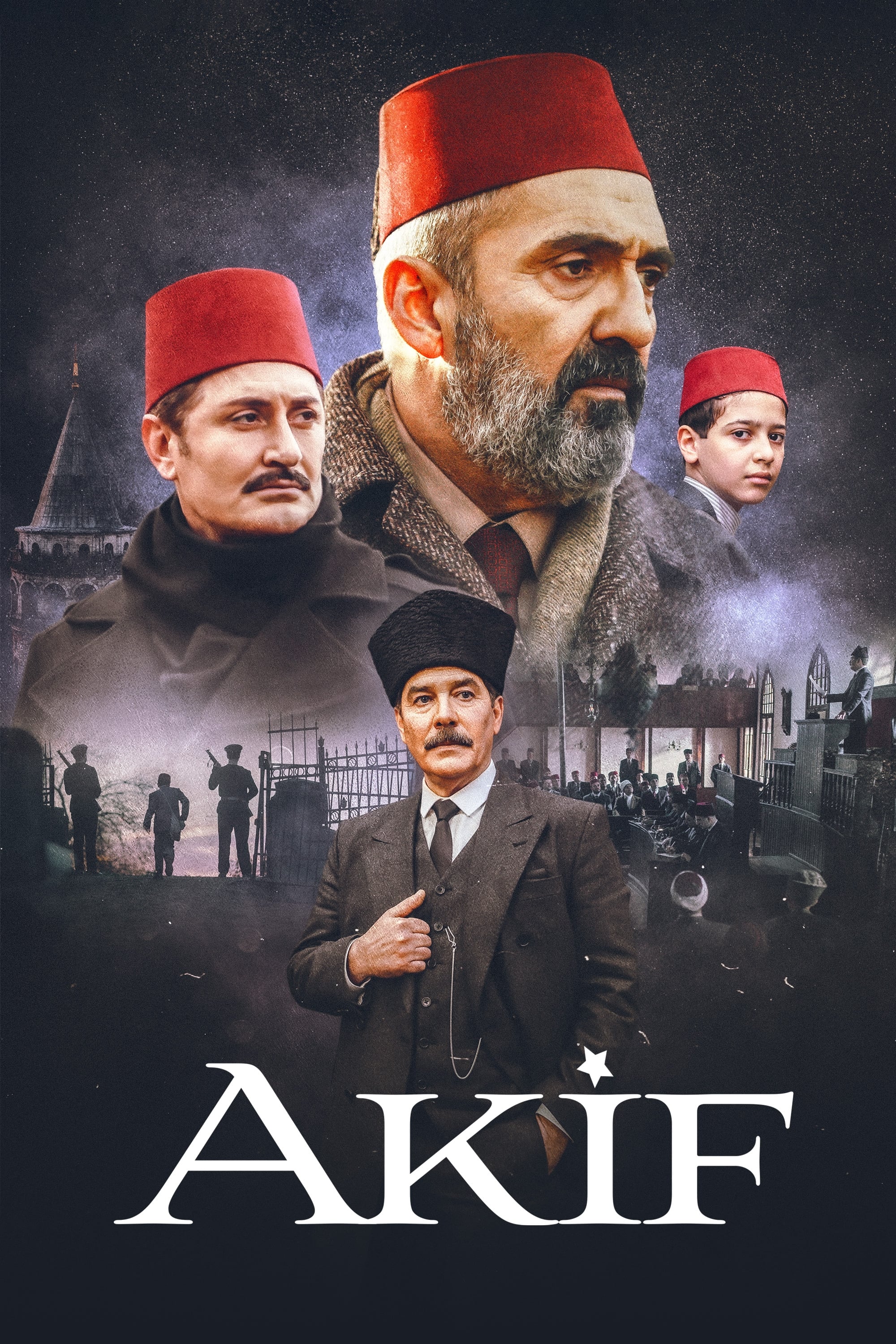
Âkif (2021) character relationship network mapped with AI analysis. Explore the connections, alliances, and conflicts between characters.
Characters
Mehmet Âkif Ersoy
(played by Yavuz Bingöl) — protagonist
Mehmet Âkif Ersoy is the central figure in the film's account of the journey behind the writing of the İstiklâl Marşı. The synopsis identifies that creative process as the story's focus, placing him a...
Ali Şükrü Bey
(played by Murat Han) — supporting
Mustafa Kemal Atatürk
(played by Fikret Kuşkan) — supporting
İsmet Hanım
(played by Mine Çayıroğlu) — supporting
Canonical Relationships
Family, romantic, and professional connections based on plot evidence.
Mustafa Kemal Atatürk → Ali Şükrü Bey
(Professional Political Associate) — Colleagues within the same political faction navigating national reconstruction.
Mehmet Âkif Ersoy → İsmet Hanım
(Family Wife) — Emotional anchor and domestic supporter throughout the narrative.
Mehmet Âkif Ersoy → Mustafa Kemal Atatürk
(Professional Commissioner) — Political leader and literary patron driving the anthem's creation.
Story Dynamics
Alliances, conflicts, and narrative interactions that evolve throughout the story.
Mehmet Âkif Ersoy → Ali Şükrü Bey
(Conflict Political Debater) — Ideological counterpart whose political views challenge and refine the protagonist's perspective.
Story Analysis
A Turkish historical film about Mehmet Âkif Ersoy and the writing journey of İstiklâl Marşı.
Plot Progression
A Historical Subject
— The supplied reference identifies the film as a Turkish historical production. Its stated subject is the writing journey of İstiklâl Marşı.
The Poet at the Center
— Mehmet Âkif Ersoy is identified as the protagonist. The available information does not provide additional scene-level events beyond this central focus.
The Anthem Journey
— The film's principal narrative subject is the creation of İstiklâl Marşı. The reference describes this as a writing journey but does not detail its individual stages.
Historical Ensemble
— The supplied character list includes Mustafa Kemal Atatürk, Ali Şükrü Bey, and İsmet Hanım as supporting figures. No specific interactions among them are stated in the reference.